Unlock the Power of Worm Castings: Nature’s Secret to Thriving Plants and Soil
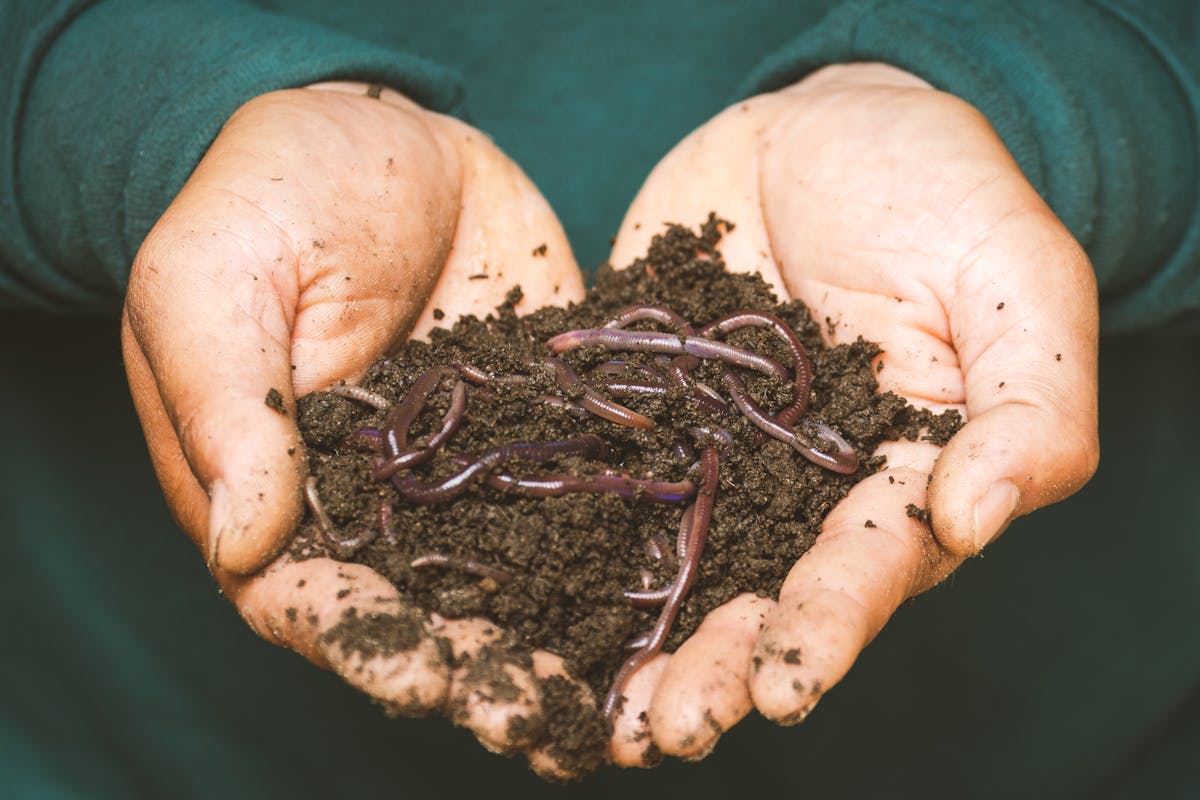
Worm castings, often referred to as “black gold” in the gardening community, are an organic gardener’s secret weapon for creating healthy, vibrant plants and enriched soil. These nutrient-rich pellets are the result of the digestion of organic matter by earthworms, and they offer a plethora of benefits for your garden. If you’re a home gardener looking to elevate your planting game, read on to discover why worm castings should be a staple in your gardening toolkit.
The Nutritional Profile of Worm Castings
Worm castings are packed with essential nutrients that your plants crave. They contain nitrogen, phosphorus, potassium, calcium, magnesium, and a host of micronutrients that promote healthy growth. Unlike conventional fertilizers, which can often lead to nutrient burn, worm castings release their nutrients slowly, providing a steady supply of food for your plants. This slow-release nature minimizes the risk of over-fertilization, making it an ideal choice for beginners and experienced gardeners alike.
In addition to essential nutrients, worm castings are rich in beneficial microorganisms. These microbes play a crucial role in soil health, enhancing the soil structure and increasing its ability to retain moisture and nutrients. This means healthier plants and a more resilient garden environment.
Improving Soil Structure and Health
One of the standout benefits of worm castings is their ability to improve soil structure. When mixed into your garden soil, they help to create a crumbly texture that enhances aeration and drainage. This is particularly important in areas with heavy clay or sandy soils, as it allows roots to penetrate more easily and access water and nutrients.
Worm castings also introduce organic matter into the soil, which increases its fertility over time. Healthy soil promotes a thriving ecosystem, encouraging beneficial insects, worms, and microorganisms to flourish. This biodiversity is essential for maintaining a balanced garden, naturally combating pests and diseases without the need for chemical interventions.
How to Use Worm Castings in Your Garden
Incorporating worm castings into your garden is straightforward. Here are some practical tips:
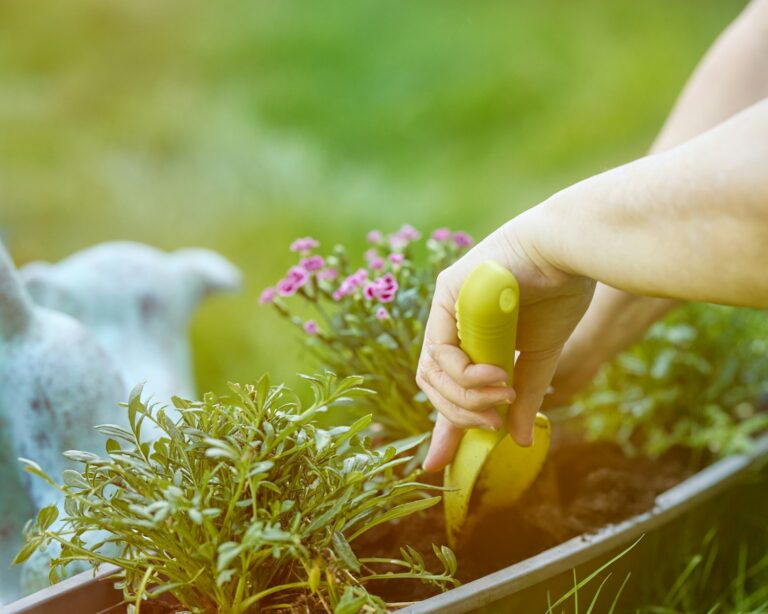
1. Top Dressing: Spread a layer of worm castings on the surface of your garden beds or potted plants. This method allows the nutrients to gradually seep down into the soil as you water.
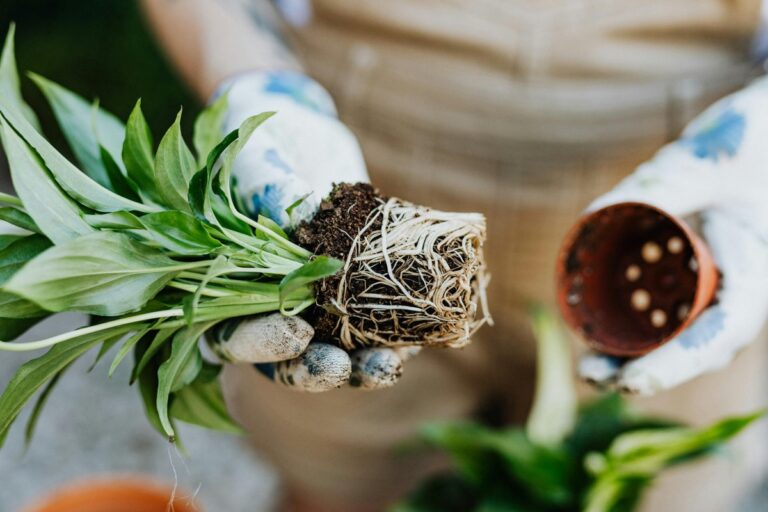
2. Mixing with Soil: When planting new flowers, vegetables, or herbs, mix worm castings directly into the planting hole or into the potting mix. A ratio of about 10-20% worm castings to soil is generally effective.
3. Liquid Fertilizer: Create a “worm tea” by steeping worm castings in water for 24-48 hours. Use this nutrient-rich liquid to water your plants, providing them with an extra boost.
4. Seed Starting: Incorporate worm castings into your seed starting mix for healthier seedlings. This will provide them with the nutrients they need to thrive right from the start.
5. Frequency: For established plants, applying worm castings every 4-6 weeks during the growing season can significantly enhance plant health and yield.
Timing is also essential. If you’re in USDA hardiness zones 3 through 6, consider applying worm castings in early spring as your plants begin to wake up from dormancy. For those in warmer zones, fall applications can help prepare your soil for the next growing season.
Common Mistakes to Avoid
While using worm castings is relatively simple, there are some common pitfalls to watch out for:
Overapplication: While worm castings are gentle, applying too much can lead to an excessive buildup of nutrients. Stick to recommended application rates to avoid issues.
Ignoring Soil Testing: It’s always good practice to test your soil before adding any amendments. This way, you can determine what nutrients your soil may be lacking and adjust your application of worm castings accordingly.
Neglecting Watering Needs: Remember that even with worm castings’ moisture-retaining properties, regular watering is essential for plant health. Ensure your garden receives adequate water, especially during dry spells.
Using Poor Quality Castings: Not all worm castings are created equal. Look for high-quality, organic worm castings from reputable sources. Avoid products that seem overly dry or dusty, as they may be low in nutrients.
The Environmental Benefits of Using Worm Castings
By choosing worm castings, you’re not only benefiting your plants but also making a positive impact on the environment. This organic fertilizer helps reduce waste by recycling kitchen scraps and other organic materials that would otherwise end up in landfills. Furthermore, it reduces the need for synthetic fertilizers, which can harm local ecosystems and waterways.
As you embark on your gardening journey, consider adding worm castings to your soil amendment regimen. These tiny powerhouses can lead to big results in plant health and soil vitality. Whether you’re nurturing a vegetable garden, flower beds, or container plants, worm castings can help cultivate a thriving, sustainable garden that you can be proud of.
In summary, embracing worm castings not only enhances your gardening experience but also contributes to a more sustainable environment. So, grab a bag of this organic gold and watch your plants flourish!