Unlock the Secrets of Timing: The Best Days for Planting Vegetables and Herbs for Maximum Harvest
Gardening enthusiasts know that the key to a bountiful harvest lies not only in the quality of seeds and soil but also in the timing of planting. Understanding the best days to plant vegetables and herbs can significantly influence your garden’s productivity throughout the growing season. Let’s delve into the science of planting calendars and lunar phases to help you optimize your gardening efforts.
The Science Behind Planting Times
Planting vegetables and herbs at the right time involves understanding their growth cycles and the environmental conditions that promote healthy development. Factors such as soil temperature, moisture levels, and the length of daylight all play essential roles.
Most vegetables thrive when planted after the last frost date in spring, which varies across North America. For instance, northern states typically see frost until late May, while southern regions often have milder winters and can plant much sooner.
The Lunar Influence on Gardening
Many gardeners believe that the phases of the moon can affect plant growth. The lunar gardening theory suggests that planting during specific moon phases can lead to more successful yields. Here’s a quick breakdown of how to align your planting schedule with the lunar cycle:
New Moon to First Quarter: This is considered the best time to plant above-ground crops, such as leafy greens, tomatoes, and peppers. The moon is waxing during this period, which is thought to promote growth.
First Quarter to Full Moon: Continue planting above-ground crops, but also consider starting your herbs. This phase is said to enhance the growth of plants that produce fruit.
Full Moon to Last Quarter: This is a good time to focus on planting root crops, such as carrots, beets, and potatoes. The waning moon is believed to encourage root development.
Last Quarter to New Moon: During this phase, it’s recommended to tend to your garden rather than planting. Use this time for weeding, harvesting, and soil preparation.
Understanding Your USDA Planting Zone
Before diving into specific planting dates, familiarize yourself with the USDA Plant Hardiness Zone Map. This resource divides North America into zones based on average annual minimum temperatures, helping you determine what plants will thrive in your area.
For instance, if you reside in Zone 5, your last frost date may fall around late April, allowing for planting opportunities shortly thereafter. Conversely, if you’re in Zone 9, you may begin planting as early as late February.
Best Days for Planting Vegetables
Here’s a general guide for the best vegetable planting days based on common crops:
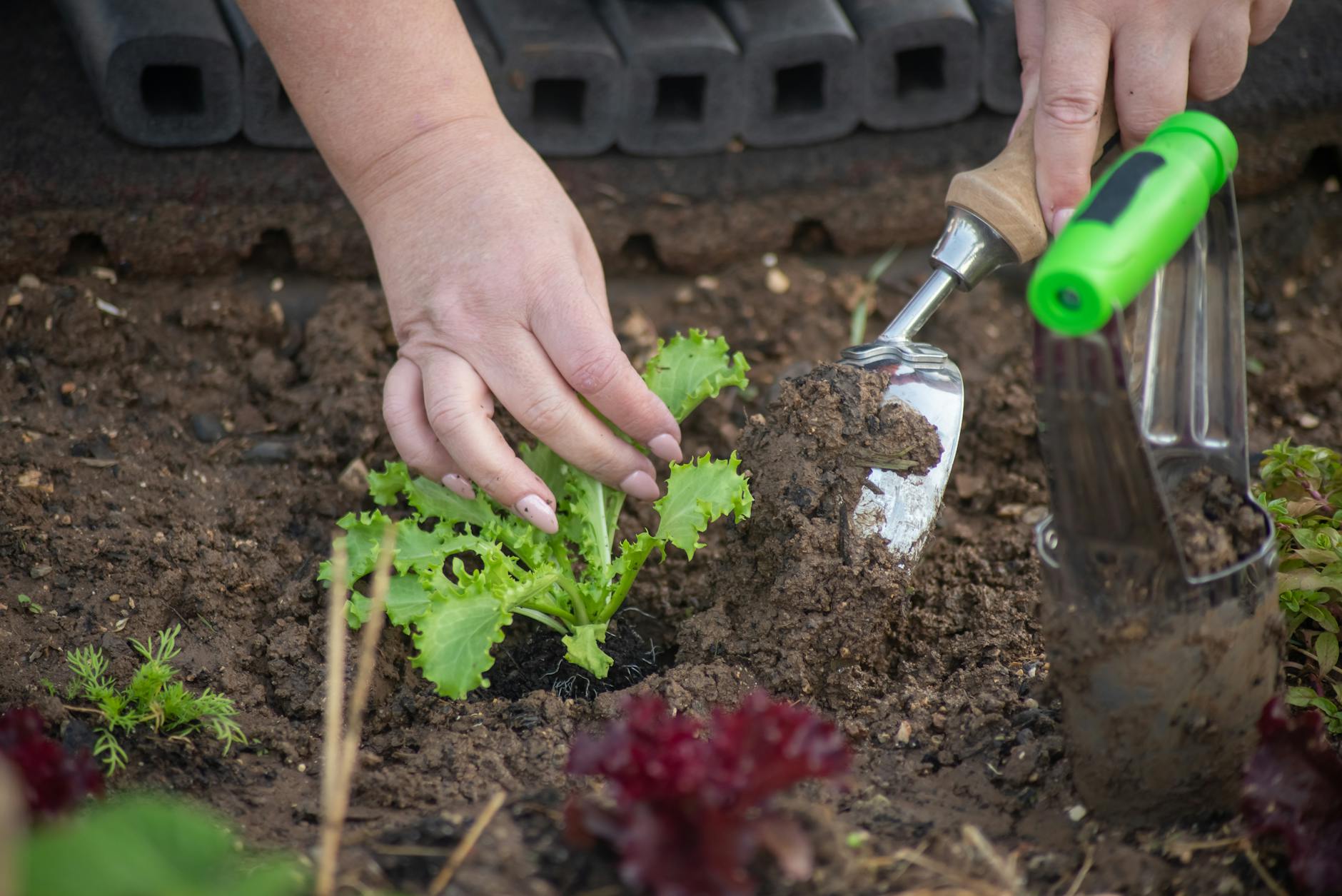
Lettuce and Spinach: Plant in early spring when the soil temperature reaches about 40°F. Ideal planting days often fall in early March.
Tomatoes and Peppers: Wait until after the last frost, usually in late May for northern regions and mid-April for southern climates. Aim for days just after the new moon in this period for optimal growth.
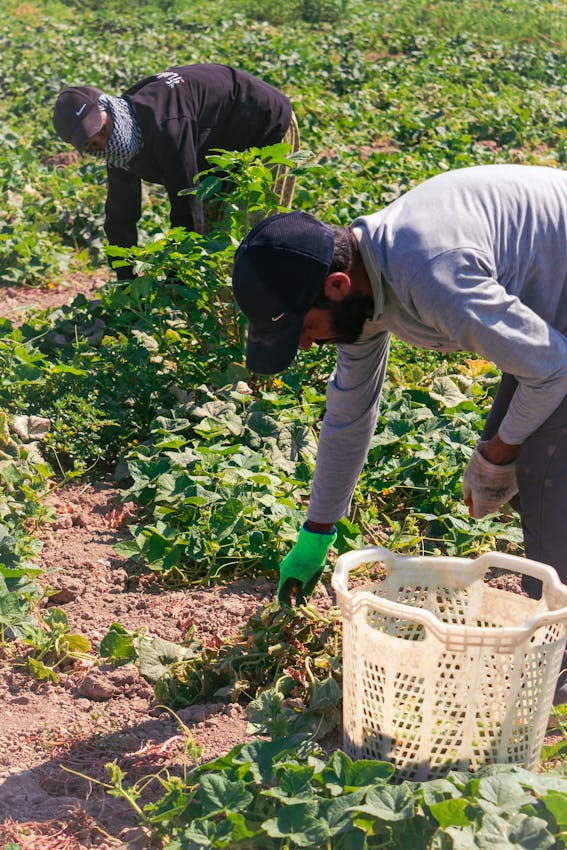
Cucumbers and Squash: These thrive in warmer soil, so plant between late April and early June, ideally on days leading up to the full moon.
Carrots and Beets: These root vegetables can be planted from early April to late May, preferably on days near the new moon when rooting is believed to be enhanced.
Best Days for Planting Herbs
Herbs can also benefit from careful timing:
Basil: Plant basil in late spring after the frost, ideally around the new moon in May.
Cilantro: This herb can be sown in early spring or late summer. In spring, choose days just before the full moon for stronger growth.
Parsley: As a biennial, plant parsley in early spring or late summer. Best results are often seen when planted just after the new moon.
Common Mistakes to Avoid
1. Ignoring Local Climate: Always consider your local climate and specific frost dates. Don’t rush to plant too early, as this can damage young plants.
2. Not Testing Soil: Before planting, test your soil pH and nutrient levels. This ensures you provide the right conditions for your plants.
3. Overcrowding Plants: Follow recommended spacing guidelines to prevent competition for nutrients and sunlight.
4. Neglecting Watering Needs: Newly planted seeds and seedlings require consistent moisture, especially in the early stages. Water gently but thoroughly to establish healthy roots.
5. Failing to Rotate Crops: Each year, rotate your crops to prevent soil depletion and reduce pest issues.
Final Thoughts
Timing your planting correctly can significantly impact your garden’s success. By paying attention to the lunar calendar, USDA hardiness zones, and the specific needs of your vegetable and herb varieties, you can cultivate a thriving garden that yields a bountiful harvest. Happy planting!