Unlock the Sweetness: Expert Tips for Growing the Tropical Honey Bush in Your Garden

The Tropical Honey Bush (Melianthus major) is a captivating plant that brings a unique touch to any garden. Native to South Africa, it’s known for its sweet aroma and striking foliage. Whether you’re looking to attract pollinators or simply want to enjoy the delightful fragrance of its flowers, growing a Tropical Honey Bush can be an exciting and rewarding experience. Here’s everything you need to know to cultivate this stunning plant in your North American garden.
Understanding the Tropical Honey Bush
The Tropical Honey Bush is a perennial shrub that can grow up to six feet tall and four feet wide, making it quite a statement piece in any garden. Its leaves are large, dark green, and have a unique, serrated texture that adds visual interest. The plant produces tubular flowers that are usually red, orange, or yellow, attracting bees, butterflies, and hummingbirds to your garden.
This plant thrives in warm climates, typically found in USDA hardiness zones 9 to 11. If you live in a cooler area, consider growing it in a pot that can be moved indoors during colder months.
Choosing the Right Location
When planting your Tropical Honey Bush, choose a location that receives full sun to partial shade. Ideally, it should get at least six hours of sunlight each day. The plant prefers well-drained soil with a slightly acidic to neutral pH. If your soil is heavy clay or tends to hold water, amend it with organic matter or plant it in a raised bed to improve drainage.
Planting Tips
1. Timing: The best time to plant your Tropical Honey Bush is in the spring after the last frost. This gives the plant ample time to establish itself before the heat of summer.
2. Spacing: When planting multiple bushes, space them at least three to four feet apart to allow for their growth and airflow.
3. Soil Preparation: Before planting, enrich the soil with compost or well-rotted manure. This not only provides nutrients but also improves soil structure.
4. Watering: Water the plant thoroughly after planting but avoid overwatering. The Tropical Honey Bush prefers moderately moist soil. Once established, it is somewhat drought-tolerant but will thrive with regular watering during dry spells.
Caring for Your Tropical Honey Bush
Once your Tropical Honey Bush is planted, proper care is crucial for its success.
1. Mulching: Apply a layer of organic mulch around the base of the plant. This helps retain moisture, suppress weeds, and regulate soil temperature.
2. Fertilizing: Use a balanced fertilizer every few months during the growing season to promote healthy growth. Be cautious not to over-fertilize, as this can lead to excessive foliage at the expense of flowers.
3. Pruning: Prune your Tropical Honey Bush in late winter or early spring to promote bushier growth and remove any dead or damaged branches. Regular pruning can also help control the plant’s size.
4. Pest and Disease Management: Keep an eye out for common pests like aphids and spider mites. If noticed, treat them with insecticidal soap or neem oil. The Tropical Honey Bush is relatively disease-resistant but can suffer from root rot if the soil is too wet.
5. Winter Protection: In cooler zones, protect your plant during the winter by covering it with mulch or burlap. If grown in a pot, bring it indoors to a bright, cool spot to keep it happy during the colder months.
Propagation Techniques
If you love your Tropical Honey Bush and want to propagate it, you have a few options:
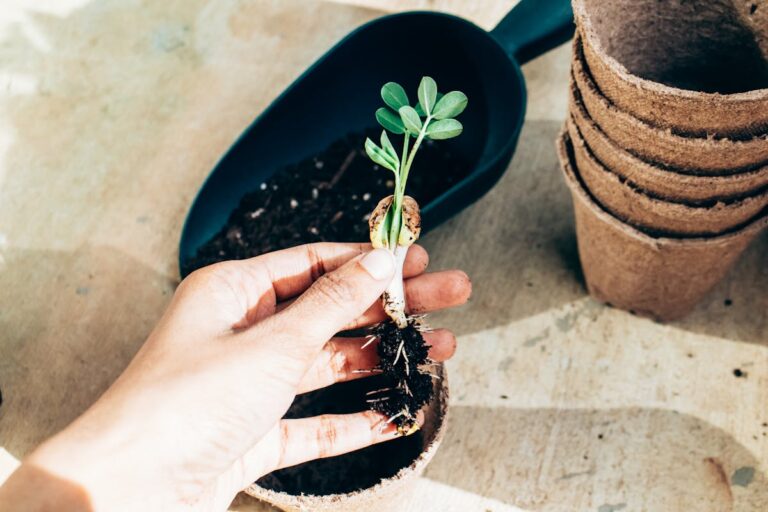
1. Seed Propagation: Start seeds indoors about eight to ten weeks before the last frost. Use seed-starting trays with a light soil mix. Keep them warm and moist and transplant them outside once they are strong enough and after the danger of frost has passed.
2. Cuttings: Take cuttings from healthy stems in early summer. Dip the cut end in rooting hormone and plant it in a pot with a well-draining soil mix. Keep the cuttings moist and in a warm location until roots develop.
Common Mistakes to Avoid
1. Overwatering: One of the most common mistakes is overwatering. Always check the soil moisture level before watering to avoid root rot.
2. Neglecting Sunlight: Ensure your Tropical Honey Bush is getting enough sunlight. Insufficient light can lead to weak, leggy growth and fewer flowers.
3. Ignoring Soil Quality: Poor soil can hinder growth. Regularly amend your soil with organic matter to keep it nutrient-rich.
4. Waiting Too Long to Prune: Neglecting to prune can lead to a less attractive plant and fewer blooms. Regular pruning encourages new growth and flowering.
Attracting Pollinators and Wildlife
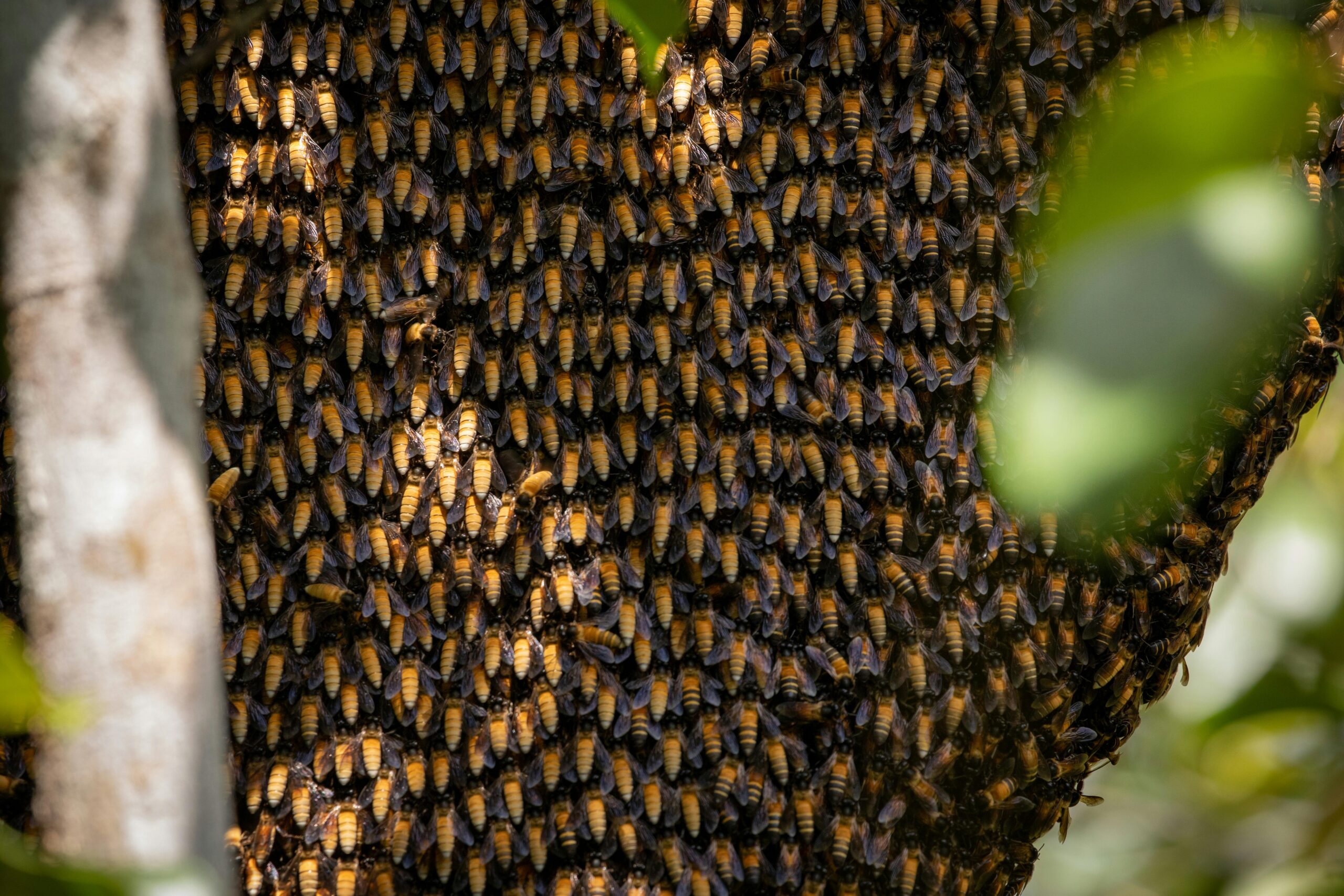
One of the primary reasons to grow a Tropical Honey Bush is to attract pollinators. The tubular flowers are particularly appealing to hummingbirds, while the scent draws in bees and butterflies. Planting companion flowers such as lavender or salvia nearby can enhance your garden’s allure and create a vibrant ecosystem.
Final Thoughts
The Tropical Honey Bush is a unique and rewarding addition to any garden, offering beautiful foliage and fragrant blooms that attract wildlife. With the right care and attention, this plant can thrive in your garden and provide enjoyment for years to come. Whether you’re a seasoned gardener or just starting, following these tips will help you successfully grow and maintain this stunning shrub. Happy gardening!