Unlock Your Green Thumb: A Beginner’s Guide to Master Gardening
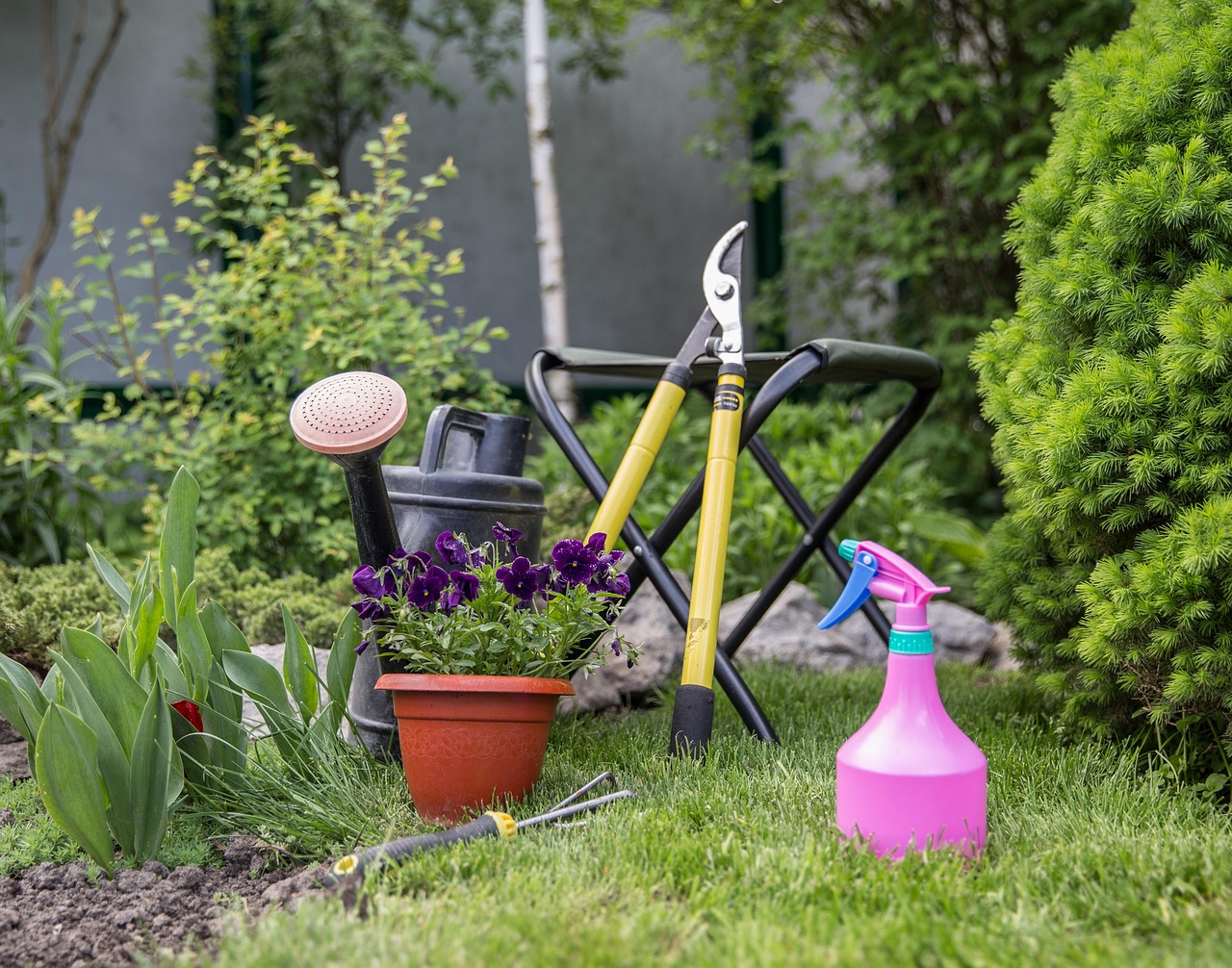
Gardening is more than just a hobby; it’s a way to connect with nature, beautify your surroundings, and even produce your own food. Whether you’re starting with a small balcony garden or a sprawling backyard, becoming a master gardener is an achievable goal with the right knowledge and tools. Here’s your guide to get started on the path to gardening success.
Understanding the Basics of Gardening
Before diving into the intricacies of gardening, it’s essential to understand the basics. Gardening is about creating an environment where plants can thrive. This involves knowledge of soil health, sunlight needs, water requirements, and climate considerations.
1. Choosing the Right Plants: Research plants that are suitable for your USDA hardiness zone. This will ensure that you select varieties that can withstand your local climate conditions. Native plants are often a great choice because they’re adapted to the local environment and usually require less maintenance.
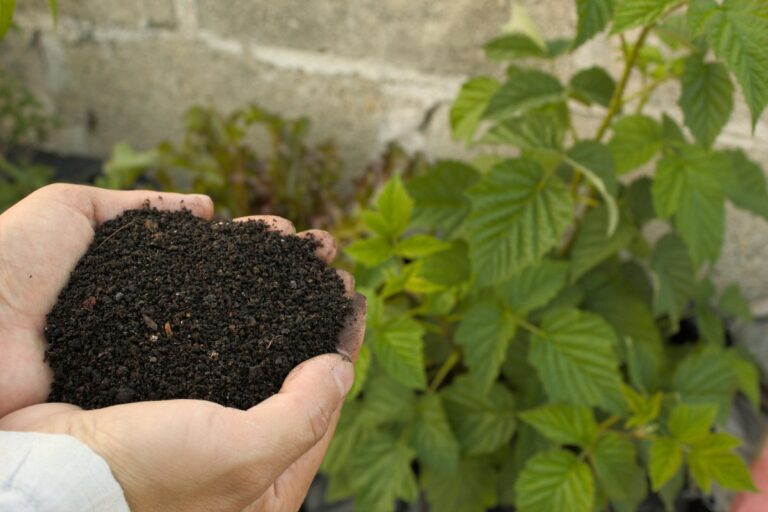
2. Soil Health: Healthy soil is the foundation of a successful garden. Conduct a soil test to determine its pH and nutrient levels. Amend your soil with organic matter such as compost, which improves soil structure, drainage, and nutrient content. Aim for a loamy texture, which is ideal for most plants.
3. Sunlight and Location: Observe your garden space to determine how much sunlight it receives throughout the day. Most vegetables and flowering plants require at least 6-8 hours of direct sunlight. If you have shady areas, consider shade-tolerant plants or create a garden that includes both sun and shade-loving varieties.
Selecting Your Garden Style
Once you understand the basics, it’s time to choose a garden style that fits your preferences and space. Here are a few popular options:
1. Vegetable Gardens: Growing your own vegetables can be incredibly rewarding. Start with easy-to-grow varieties such as tomatoes, lettuce, radishes, and zucchini. Raised beds or container gardening are excellent options for limited space.
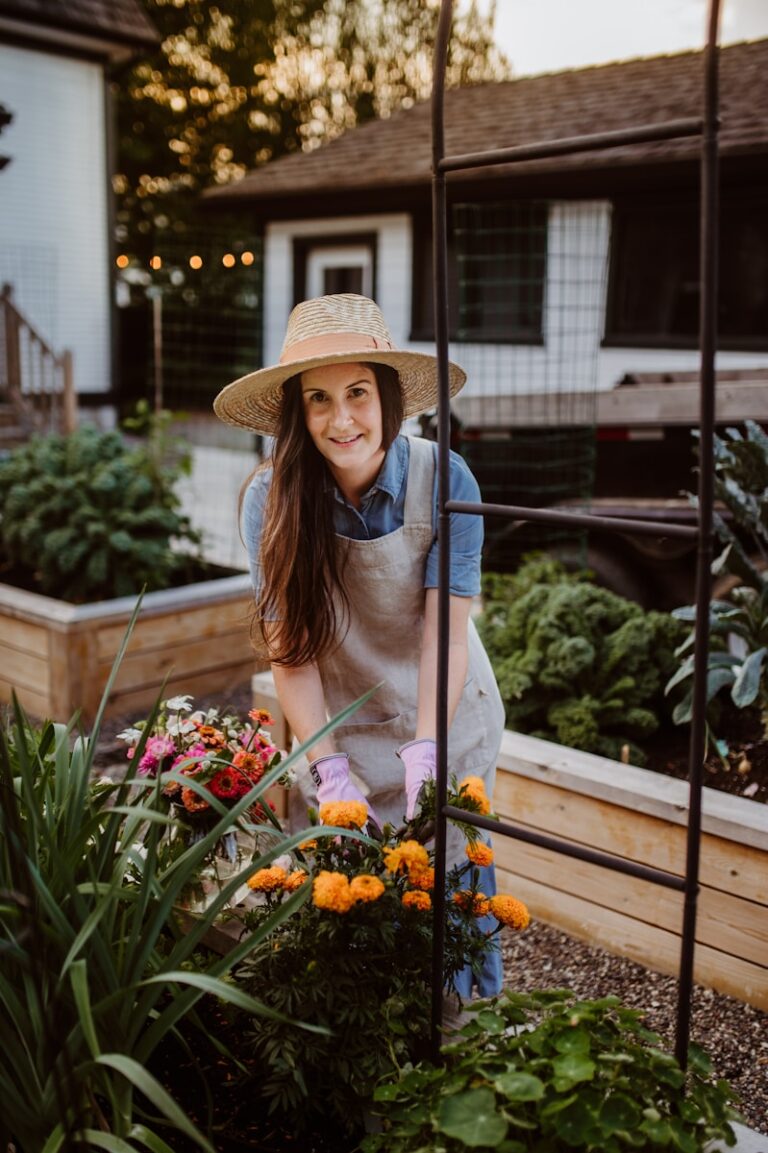
2. Flower Gardens: If aesthetics are your goal, consider planting perennial flowers that bloom at different times throughout the growing season, ensuring that your garden is always vibrant. Marigolds, coneflowers, and daylilies are great choices for beginners.
3. Herb Gardens: Herbs are relatively easy to grow and can be cultivated in small spaces. Basil, parsley, and mint are popular options that can be used in the kitchen. They thrive in containers and can be grown indoors or outdoors.
4. Native Plant Gardens: These gardens use plants that are indigenous to your area, promoting local wildlife, such as pollinators. Native plants generally require less water and maintenance, making them a sustainable choice.
Planning Your Garden
A well-thought-out garden plan can save you time and effort in the long run. Here’s how to get started:
1. Sketch Your Layout: Create a simple sketch of your garden space, marking where you want to place different plants. This will help you visualize plant relationships and spacing. Be mindful of plant heights; taller plants can shade shorter ones.
2. Consider Crop Rotation: If you’re growing vegetables, practice crop rotation to prevent soil depletion and reduce pest issues. Change the location of your crops each season to keep the soil healthy.
3. Timing is Key: Familiarize yourself with your region’s growing season. This includes knowing the last frost date in spring and the first frost date in fall. Plant seeds and seedlings accordingly to ensure they have ample time to mature.
Establishing Your Garden
With your plan in place, it’s time to begin planting. Here are some tips to ensure your plants thrive:
1. Planting Techniques: Follow the specific planting instructions for each type of seed or plant. Pay attention to planting depth and spacing, as overcrowded plants can compete for nutrients and water.
2. Watering Wisely: Water your plants deeply but infrequently to encourage strong root development. Early morning is the best time to water, as it allows plants to absorb moisture before the heat of the day.
3. Mulching: Apply mulch around your plants to help retain moisture, suppress weeds, and regulate soil temperature. Organic mulches, like wood chips or straw, also break down over time, enriching the soil.
Maintaining Your Garden
Regular maintenance is crucial for a thriving garden. Here are some essential tasks to keep in mind:
1. Weeding: Regularly remove weeds, as they compete with your plants for nutrients and water. Hand-pulling is often the most effective method, especially when weeds are small.
2. Fertilizing: Depending on your soil test results, you may need to add fertilizers. Use organic options whenever possible, as they improve soil health in the long term.
3. Pest Management: Monitor your plants for signs of pests and diseases. Early intervention is key. Consider natural pest control methods, such as introducing beneficial insects like ladybugs or using insecticidal soap.
4. Pruning and Deadheading: Regularly prune and deadhead your plants to encourage new growth and blooming. This also helps maintain plant shape and health.
Learning and Adapting
Gardening is a continuous learning experience. Don’t be discouraged by failures; they are part of the journey. Keep a gardening journal to note what works and what doesn’t. Join local gardening clubs or online forums to connect with other gardeners, share experiences, and seek advice.
With patience, practice, and a willingness to learn, you can transform your garden into a thriving oasis. Remember, every master gardener was once a beginner, so take the time to enjoy the process and celebrate your gardening milestones. Happy gardening!