Unlocking Spring: When to Start Planting Your Garden for Success
As winter wanes and the first signs of spring begin to emerge, many home gardeners find themselves itching to dig into the soil and get their plants growing. But when is the best time to start planting in your garden? The answer isn’t always straightforward, as it depends on several factors, including your local climate, the types of plants you wish to grow, and soil conditions. Let’s explore when you can expect to start your spring planting, what signals to watch for, and how to prepare for a successful garden season.
Understanding Your Climate Zone
Before you can determine when to start planting, you need to understand your climate zone. The United States Department of Agriculture (USDA) has designated various hardiness zones based on average annual minimum temperatures. These zones range from Zone 1 (coldest) to Zone 13 (warmest) and can help you choose plants that thrive in your specific environment.
To find your zone, consult the USDA Plant Hardiness Zone Map, which is widely available online. Knowing your zone provides insight into when to expect the last frost date, which is a crucial factor for planting many types of flowers and vegetables.
Frost Dates: The Key to Timing Your Planting
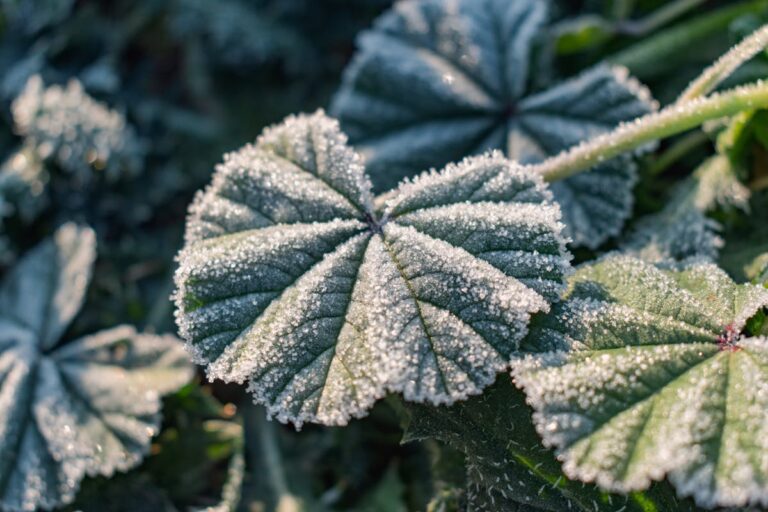
One of the most significant indicators of when to start planting is the last frost date in your area. This date varies widely across North America, so it’s essential to check local gardening resources or extension services to find accurate information for your region.
In general, northern regions may experience their last frost anywhere from late April to early June, while southern regions may see their last frost as early as mid-March. Once you know your last frost date, you can determine when to start planting specific crops:
Cool-season crops (like peas, spinach, and kale) can be planted 4-6 weeks before the last frost date. These plants can tolerate cooler soil and air temperatures.
Warm-season crops (like tomatoes, peppers, and cucumbers) should be planted after the last frost date, as they require warmer conditions to thrive.
Signs of Spring: Nature’s Indicators
While frost dates are essential, gardeners should also pay attention to nature’s signals. Several indicators can help you judge when spring planting can begin:
1. Soil Temperature: The temperature of the soil is a vital factor in seed germination. Many seeds prefer soil temperatures of at least 50°F (10°C) to sprout. You can use a soil thermometer to measure this. If your soil is still cold, wait a week or two before planting.
2. Day Length: As spring approaches, the days grow longer. This increase in daylight signals plants to begin their growth cycle. Generally, once you notice longer days and warmer weather, it’s a good indication that planting time is near.
3. Local Flora: Observe local trees and shrubs for budding leaves and flowers. Many gardeners take cues from native plants; when you see them starting to bloom, it’s often time to start planting.
Preparing Your Garden
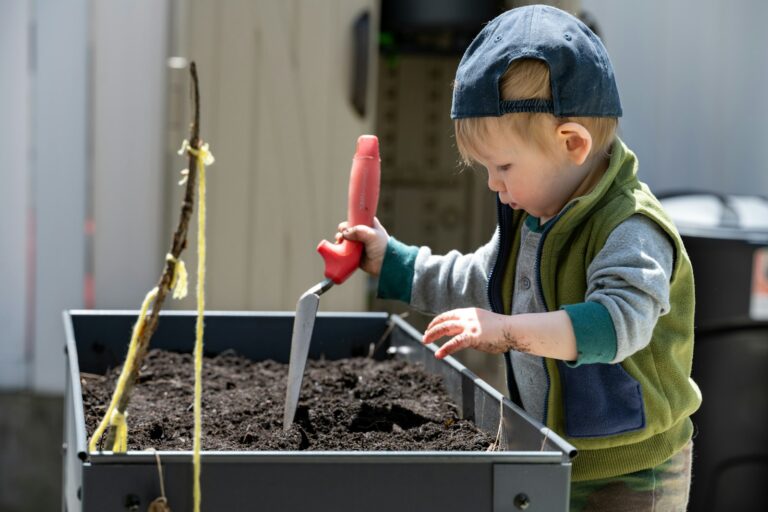
Once you’ve determined it’s time to plant, preparing your garden beds is essential for success. Here are a few tips to get started:
1. Clear Debris: Remove any dead plant material, leaves, or debris from last season. This helps prevent pests and diseases from overwintering in your garden.
2. Test Soil: Conduct a soil test to check nutrient levels and pH balance. Based on the results, you may need to amend your soil with organic matter, compost, or fertilizers to ensure it’s nutrient-rich.
3. Tilling: Loosen the soil with a garden fork or tiller, improving aeration and drainage. Be careful not to over-till, as this can disrupt soil structure.
4. Mulching: Consider adding a layer of mulch to your garden beds after planting. Mulch conserves moisture, suppresses weeds, and regulates soil temperature.
Common Mistakes to Avoid
As eager as you may be to plant, there are common pitfalls to steer clear of:
Planting Too Early: It can be tempting to get a jump on the season, but planting before the last frost can expose young plants to cold damage. Be patient and wait for warmer weather.
Ignoring Spacing: Overcrowding plants can lead to competition for nutrients and sunlight. Be sure to follow spacing guidelines on seed packets or plant tags to ensure healthy growth.
Neglecting Watering: Newly planted seeds and seedlings require consistent moisture to establish roots. Be vigilant with watering, especially in the early days after planting.
Disregarding Local Advice: Every region has unique gardening challenges and opportunities. Engage with local gardening groups, extension services, or community boards to learn about your specific conditions.
Moving Forward: Beyond Spring Planting
Once you’ve successfully planted your garden, remember that gardening is an ongoing process. Keep an eye on your plants as they grow, and be prepared to address pests, diseases, and environmental changes throughout the season. Regularly check soil moisture, apply mulch, and consider crop rotation for future planting seasons.
With the right timing and preparation, your spring garden can flourish, providing beauty and bounty throughout the growing season. So grab your gardening tools, and get ready to welcome a vibrant array of plants into your yard!