Unlocking Your Garden’s Potential: Why Your Plant Stopped Growing and How to Revive It
When you plant a seed or transplant a young plant into your garden, anticipation fills the air. You nurture it with water and sunlight, but sometimes, despite your best efforts, growth stalls. Why does this happen? And more importantly, what can you do to revive your plant? Let’s delve into the common reasons behind stagnant growth and the surprisingly simple solutions that many gardeners overlook.
Understanding Plant Growth
Before we can tackle growth issues, it’s essential to understand the basic needs of plants. They primarily require light, water, nutrients, and the right temperature to thrive. If any of these elements are in short supply, your plant may struggle to grow.
1. Light Levels
Plants rely heavily on light for photosynthesis, the process by which they convert light energy into chemical energy. If your plant isn’t receiving enough light, it may stop growing altogether or become “etiolated,” characterized by elongated stems and pale leaves.
The Fix:
Assess Light Conditions: Check the amount of sunlight your plants receive throughout the day. Most vegetables and flowering plants thrive in full sun, which typically means at least six hours of direct sunlight.
Relocate or Prune: If your plant is not getting enough light, consider relocating it to a sunnier spot. If it’s a potted plant, simply move it to a brighter location. For garden beds, you may need to prune surrounding plants to allow more light in.
2. Watering Issues
Both overwatering and underwatering can lead to stunted growth. Overwatered plants may develop root rot, while underwatered plants can become dehydrated and struggle to take up nutrients.
The Fix:
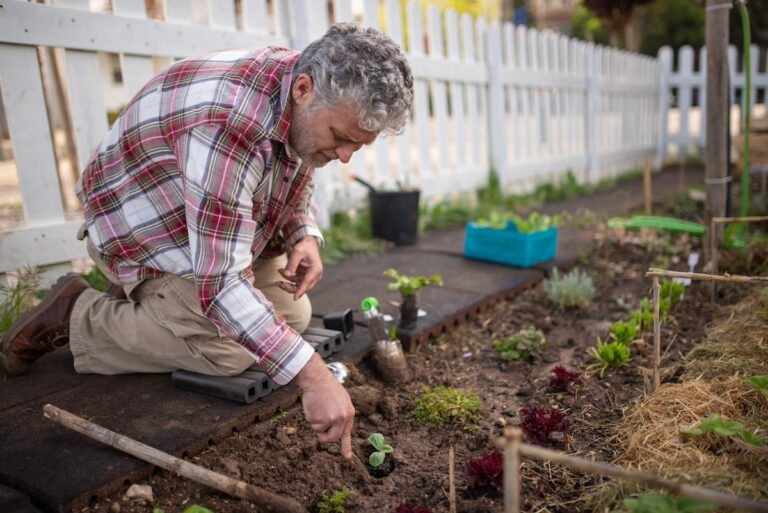
Check Soil Moisture: Stick your finger into the soil about an inch deep. If it’s dry, it’s time to water. Conversely, if it feels soggy, allow it to dry out before watering again.
Watering Technique: Use a soaker hose or drip irrigation for consistent moisture. Water deeply but infrequently to encourage deep root growth, aiming for about 1 inch of water per week, adjusting for rainfall.
3. Nutrient Deficiency
Plants need various nutrients, including nitrogen, phosphorus, and potassium, to grow healthy and strong. A lack of these essential nutrients can lead to poor growth, yellowing leaves, and other symptoms.
The Fix:
Soil Testing: Consider testing your soil to determine its nutrient content. Many local extension offices provide soil testing services at minimal costs.
Fertilization: Based on soil test results, you might need to amend your soil with organic fertilizers like compost, aged manure, or a balanced commercial fertilizer. Follow package instructions for application rates.
4. Soil Quality
The quality of your soil plays a crucial role in plant growth. Compacted soil can hinder root expansion, while poor drainage can lead to waterlogged conditions.
The Fix:
Aerate Your Soil: If your soil feels compacted, consider aerating it to improve its structure. You can do this with a garden fork or a store-bought aerator.
Improve Drainage: If water tends to pool in your garden beds, it may be time to amend your soil with organic matter like compost or peat moss to improve drainage.
5. Pests and Diseases
Sometimes, the reason your plant has stopped growing is due to pests or diseases. Aphids, spider mites, and root rot can all inhibit growth and damage your plants.
The Fix:
Regular Inspections: Check your plants regularly for signs of pests or disease. Look for unusual discoloration, spots on leaves, or webbing.
Natural Remedies: Use insecticidal soap or neem oil for pest control. For diseases, remove affected leaves and ensure proper spacing between plants to improve airflow.
6. Environmental Stress
Changes in temperature, humidity, or even the presence of nearby plants can stress your plants and halt their growth.
The Fix:
Monitor Weather Conditions: Especially in transitional seasons, be aware of temperature swings. Use row covers or cloches to protect tender plants during unexpected frosts.
Mulching: Applying a layer of mulch can help regulate soil temperature and retain moisture, reducing stress on your plants.
7. Patience and Observation
Sometimes the best remedy is simply patience. Plants have growth cycles, and some may take longer to establish themselves, especially perennials or new transplants.
The Fix:
Keep a Gardening Journal: Documenting your plant’s progress and conditions can help you identify patterns and make more informed decisions in the future.
Stay Observant: Watch for changes, both positive and negative, and adjust your care accordingly.
Final Thoughts
Gardening can sometimes feel like a guessing game, but understanding the fundamental needs of your plants can make a world of difference. By addressing factors like light, water, nutrients, soil quality, pests, and environmental conditions, you can often revive a struggling plant.
Remember, gardening is a journey, and every setback is an opportunity to learn. With a bit of observation and the right adjustments, you can help your plants flourish and create the vibrant garden of your dreams. Happy gardening!