Unraveling Beetlemania: Your Guide to Garden Beetles and How to Manage Them
Beetles are among the most diverse and numerous insects on the planet, and if you’re a gardener, you’ve likely encountered them in your yard. From the majestic ladybug to the pesky Japanese beetle, these critters can either be your allies or your adversaries. Understanding the role of beetles in your garden can help you make informed decisions about pest management and plant health.
The Beetle Bonanza: A Quick Overview
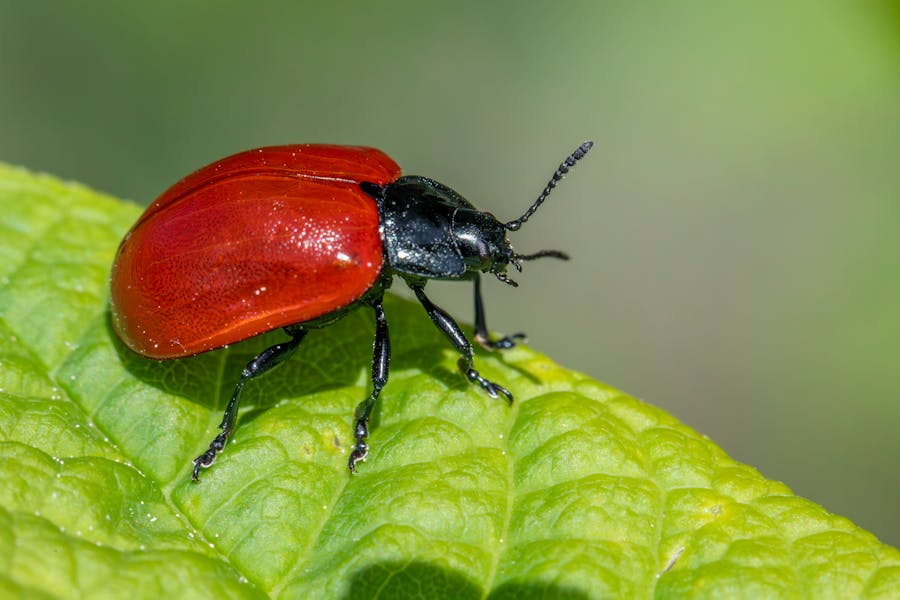
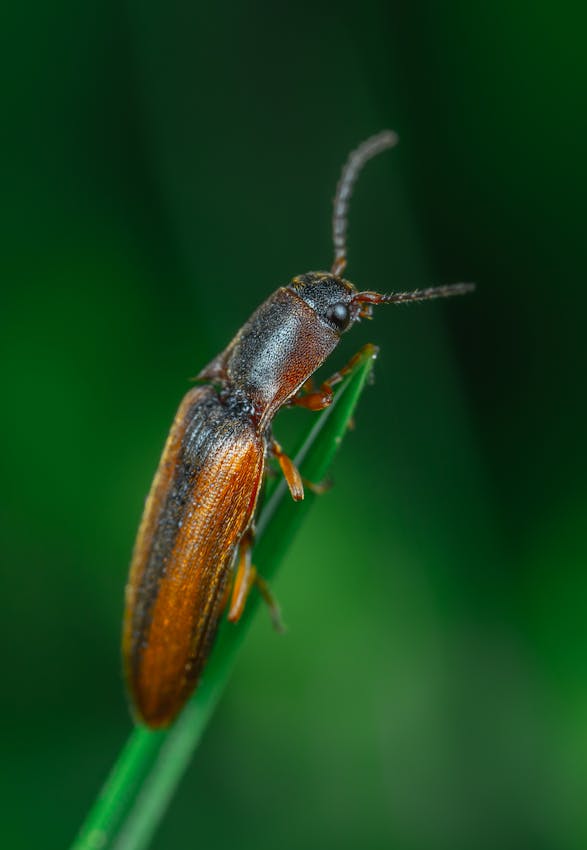
Beetles belong to the order Coleoptera and are characterized by their hard, shell-like wings. There are over 350,000 species of beetles worldwide, and they can be found in nearly every habitat, including gardens. While some beetles serve as beneficial predators, helping to control pests, others can cause significant damage to plants.
In North America, you may notice several common beetles in your garden, each with distinct behaviors and impacts on your plants. Here’s a closer look at some of them.
Beneficial Beetles: Friends in the Garden
1. Ladybugs: Perhaps the most beloved of garden beetles, ladybugs are voracious predators of aphids and other soft-bodied pests. They can be easily attracted to your garden by planting flowers such as dill, fennel, and yarrow.
2. Ground Beetles: These beetles are typically dark in color and can often be found lurking in the soil or among debris. Ground beetles are excellent at keeping pest populations in check, as they feed on slugs, caterpillars, and other garden pests. Encouraging biodiversity by incorporating native plants can help attract these beneficial insects.
3. Rove Beetles: Similar to ground beetles, rove beetles are beneficial as they feed on pests like aphids and maggots. They thrive in moist environments, so maintaining a healthy level of mulch or ground cover can help support their presence.
Pests in Disguise: Harmful Beetles
On the flip side, some beetles can wreak havoc in your garden:
1. Japanese Beetles: Recognizable by their metallic green bodies, these pests can defoliate plants quickly. They typically emerge in late June and can be especially damaging to roses, grapes, and other flowering plants. Handpicking them off plants can be an effective control method, or you may consider setting traps away from your garden to lure them in.
2. Colorado Potato Beetles: These striped beetles are notorious for their affinity for potato plants but will also attack tomatoes and eggplants. Regularly inspecting your plants and removing any beetles or larvae can help prevent infestations. Additionally, rotating your crops each year can deter these pests.
3. Squash Beetles: These beetles can significantly impact squash and pumpkin plants. Look for them in the early summer months, and consider using row covers to protect young plants until they can withstand beetle pressure.
Integrated Pest Management: Best Practices
To effectively manage beetles in your garden, consider adopting an Integrated Pest Management (IPM) approach. This strategy incorporates a variety of techniques to minimize pest damage while promoting a healthy ecosystem.
1. Regular Monitoring: Keep an eye on your garden. Early detection of beetle populations allows you to take action before they cause significant harm. Check under leaves and around the base of plants for signs of beetles or their larvae.
2. Cultural Controls: Healthy plants are more resilient to pest damage. Ensure your plants receive the right amount of sunlight, water, and nutrients. Crop rotation, interplanting, and maintaining proper spacing can also help reduce pest pressures.
3. Biological Controls: Encouraging natural predators like birds, bats, and parasitic wasps can help keep beetle populations in check. Creating habitats for these beneficial creatures, such as birdhouses and bat boxes, can be beneficial.
4. Mechanical Controls: Handpicking beetles is an effective, chemical-free method for small gardens. For larger infestations, consider using physical barriers like row covers or insect mesh to protect vulnerable plants.
5. Chemical Controls: If beetle populations become overwhelming and all else fails, you may consider organic pesticides. Look for options that target specific pests while being safe for beneficial insects. Always follow instructions carefully to minimize harm to non-target species.
Common Mistakes to Avoid
Neglecting Monitoring: Regular checks can prevent minor infestations from turning into major issues.
Using Broad-Spectrum Insecticides: These can kill beneficial insects along with pests. Always opt for targeted solutions.
Ignoring Plant Health: Stressed plants are more susceptible to beetle attacks, so focus on maintaining healthy, thriving plants.
Final Thoughts
Understanding the role of beetles in your garden can transform your gardening experience. While some may be a nuisance, many beetles are your allies in the fight against pests. By employing best practices in pest management and maintaining an ecological balance, you can create a thriving garden that is resilient to the challenges posed by these fascinating insects. Embrace the beetlemania, and let these little creatures contribute to the health of your garden!