Unraveling the Mystery of “Bad” Potting Soil: What Every Gardener Should Know
Potting soil is a lifeline for container gardening, nurturing your plants with the nutrients they need to thrive. However, many gardeners find themselves puzzled when their potting soil seems to go “bad” despite looking perfectly fine. If you’ve ever encountered this issue, you’re not alone. Let’s dive into the reasons why your potting soil can degrade over time and what you can do to keep it in top shape.
Understanding Potting Soil
Before we delve into the problems, it’s essential to understand what potting soil is. Unlike garden soil, which is often dense and heavy, potting soil is a specially formulated mix designed for container gardening. It typically contains a combination of peat moss, vermiculite, perlite, and other organic materials, offering excellent drainage and aeration. However, as your plants grow, the soil can undergo various changes, leading to its decline.
Common Reasons Potting Soil Goes Bad
1. Nutrient Depletion
Over time, the nutrients in potting soil can become depleted, especially if you’re not fertilizing regularly. This is particularly true for fast-growing plants that consume nutrients quickly. Signs of nutrient deficiency include yellowing leaves and stunted growth.
Solution: Regularly supplement your potting soil with a balanced, organic fertilizer. Look for slow-release options that provide a steady supply of nutrients over time. Additionally, consider top-dressing with compost to improve nutrient content.
2. Compaction
Potting soil can compact over time, especially with heavy watering and root growth. Compacted soil restricts airflow and drainage, leading to a less-than-ideal environment for your plants. If you notice water pooling on the surface after watering, compaction might be the culprit.
Solution: To prevent compaction, choose a potting mix with good aeration properties, and avoid overwatering. If your soil has already compacted, gently aerate it with a fork or by repotting your plants into fresh soil.
3. pH Imbalance
The pH level of potting soil can shift over time, affecting nutrient availability. Most plants prefer a slightly acidic to neutral pH (around 6.0 to 7.0). If the pH becomes too high or too low, plants may not absorb nutrients effectively.
Solution: Test your soil’s pH using a home testing kit. If it’s outside the ideal range, you can amend it with lime to raise pH or sulfur to lower it. Regular testing (every 6 months) will help you maintain optimal conditions.
4. Microbial Imbalance
Healthy potting soil is teeming with beneficial microorganisms that help break down organic matter and promote plant health. However, over time, harmful pathogens can proliferate, especially in damp conditions, leading to root rot or other plant diseases.
Solution: To maintain a healthy microbial balance, avoid overwatering and ensure proper drainage. Consider using beneficial microbes or mycorrhizal fungi to enhance soil health.
5. Weed Seeds and Pests
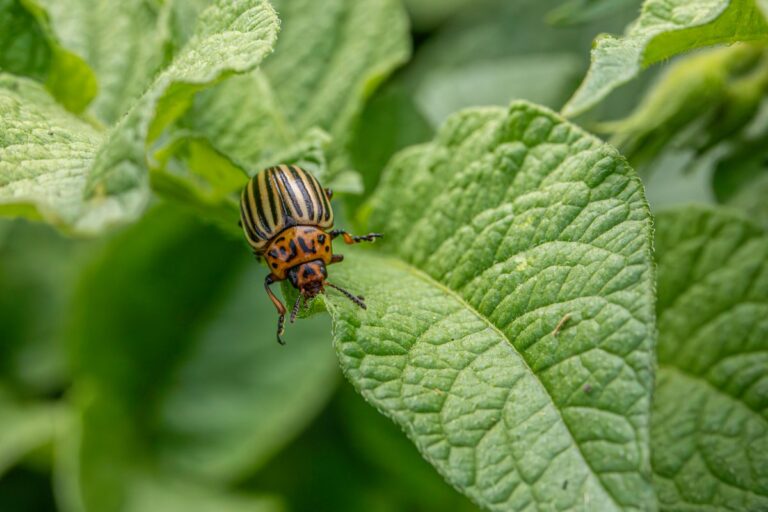
Sometimes, your potting soil may contain weed seeds or pests that can disrupt your garden. Weeds compete with your plants for nutrients and water, while pests can damage roots and foliage.
Solution: To minimize these issues, purchase high-quality potting soil from a reputable source. If you notice weeds or pests in your containers, remove them promptly and consider using organic pest control methods.
Tips for Maintaining Healthy Potting Soil
Rotate Crops: Just like in traditional gardening, rotating the plants in your containers can help prevent soil depletion and pest buildup.
Refresh Soil Annually: For long-term container plants, consider replacing a portion of the potting soil every spring, especially for heavy feeders like tomatoes or peppers.
Monitor Watering: Overwatering is one of the most common mistakes gardeners make. Always check the moisture level before watering, and ensure your pots have adequate drainage holes.
Choose the Right Pot: Ensure that your containers are appropriate for your plants. Larger plants need larger pots to prevent overcrowding and promote healthy root systems.
Consider Soil-less Alternatives: Some gardeners opt for soil-less mixes that can provide better drainage and aeration. These often contain coconut coir, perlite, and compost, which can be beneficial for certain plants.
When to Replace Potting Soil
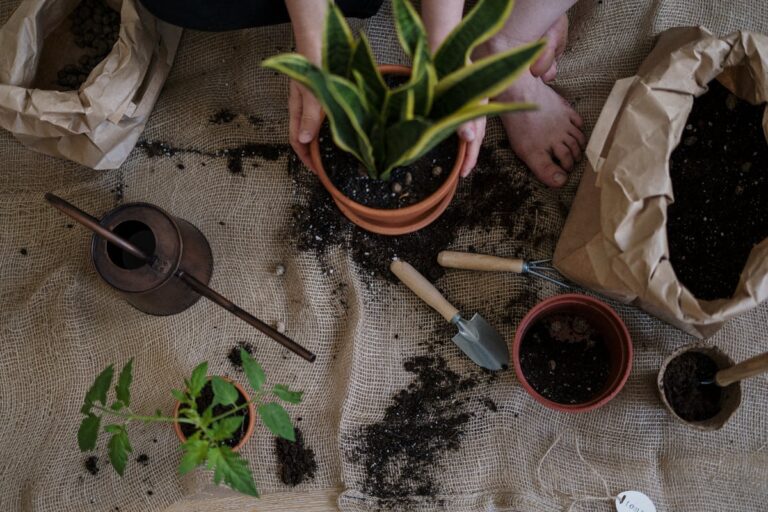
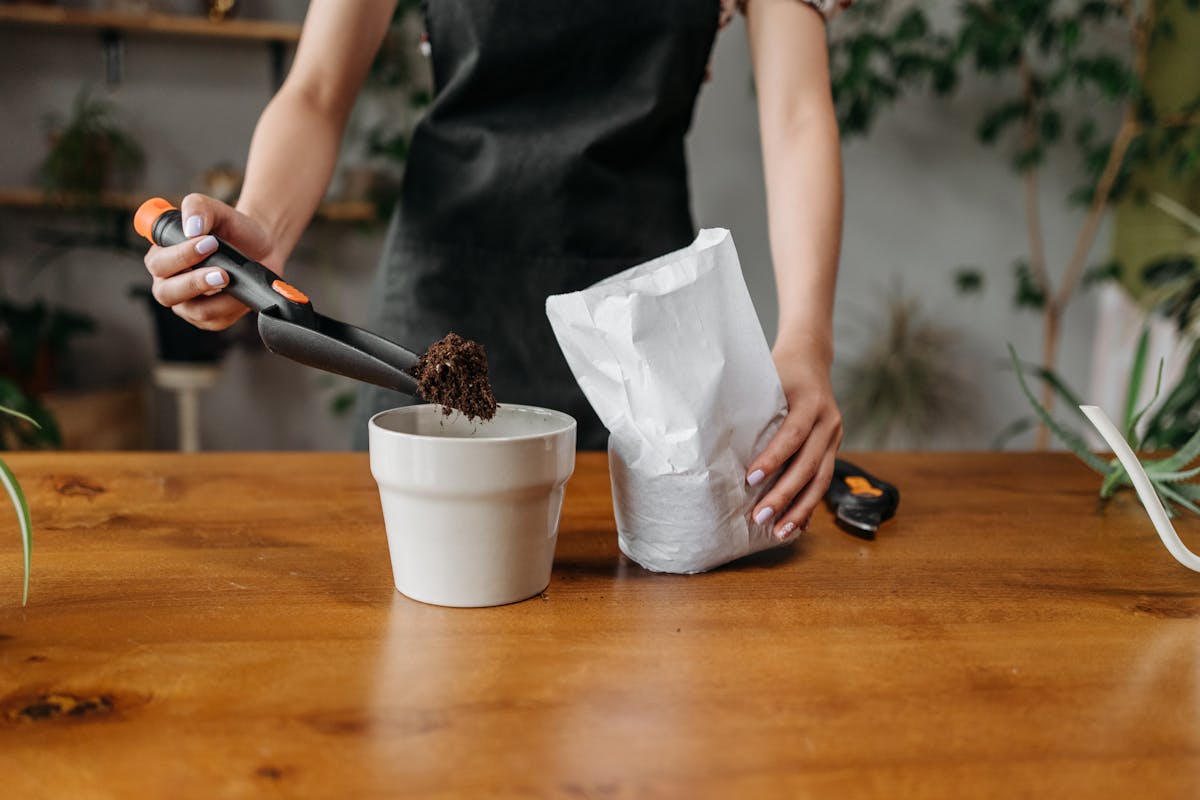
Despite your best efforts, there may come a time when it’s necessary to replace the potting soil entirely. Signs that it’s time for a fresh start include persistent nutrient deficiencies, severe compaction, or the presence of pests and diseases that won’t go away. If you’re repotting, gently remove the old soil from the roots without damaging them, and replace it with a fresh mix tailored to your plants’ needs.
In Conclusion
Understanding why potting soil deteriorates is crucial for maintaining healthy, vibrant plants. By being proactive about soil health—through proper fertilization, monitoring pH, preventing compaction, and refreshing your mix regularly—you can create a thriving container garden. Remember, the quality of your potting soil plays a significant role in the success of your gardening endeavors. Happy planting!