Unraveling the Mystery: Why Your Jade Plant is Shedding Leaves and How to Fix It
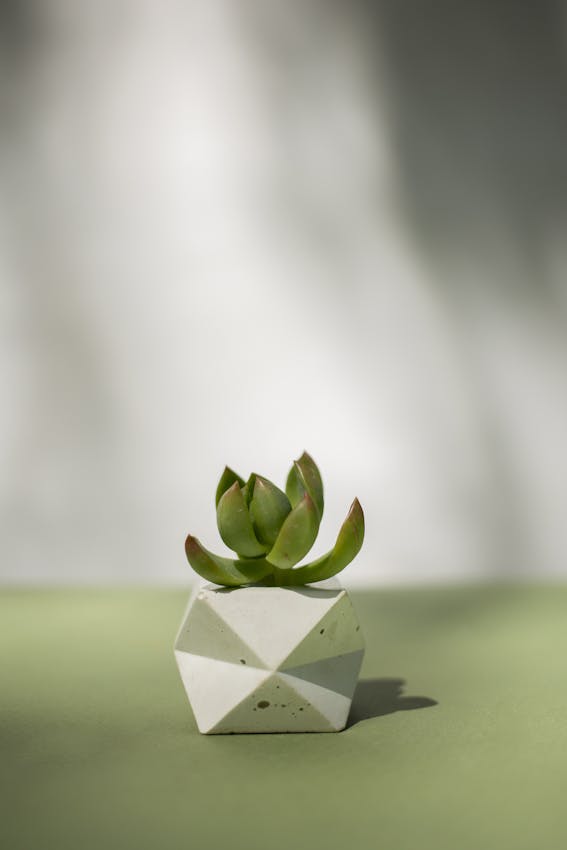
As a beloved succulent known for its thick, fleshy leaves and resilience, the jade plant (Crassula ovata) can be a rewarding addition to any indoor garden. However, if you’ve noticed your jade plant dropping leaves, it can be concerning. Understanding the reasons behind this shedding and how to address it is key to restoring your plant’s health. Let’s dive into the various factors that might be causing this issue and what you can do to help your jade thrive again.
1. Overwatering: The Silent Killer
One of the most common reasons jade plants lose leaves is overwatering. Being a succulent, jade plants store water in their leaves and stems, making them more tolerant of drought than excess moisture. If the soil remains soggy, it can lead to root rot, which ultimately causes leaves to drop.
What to Do:
Check the Soil: Before watering, always check if the top inch of soil is dry. If it’s still moist, hold off on watering.
Repot if Necessary: If you suspect root rot, remove the plant from its pot, gently clean the roots, and trim away any blackened or mushy sections. Repot in fresh, well-draining soil.
2. Underwatering: A Different Kind of Stress
While overwatering is a common issue, underwatering can also lead to leaf drop. If your jade plant is too dry, it may start shedding leaves as a way to conserve moisture.
What to Do:
Establish a Watering Schedule: Depending on your home’s humidity and the time of year, jade plants typically need watering every 2-3 weeks. During the growing season (spring and summer), they may require more frequent watering.
Signs of Underwatering: Look for shriveled leaves or stems, which can indicate that your plant is thirsty.
3. Poor Lighting Conditions
Jade plants thrive in bright, indirect light. If your plant is not receiving enough light, it may drop leaves as it struggles to photosynthesize effectively. Conversely, too much direct sunlight can scorch the leaves, leading to further shedding.
What to Do:
Adjust Placement: If your jade plant is in a dim corner, consider moving it closer to a window. A south-facing window with filtered light is ideal.
Rotate Your Plant: To ensure even growth, rotate your jade plant every few weeks to expose all sides to light.
4. Temperature Stress
Jade plants prefer temperatures between 65°F and 75°F (18°C to 24°C). Sudden temperature changes, drafts, or exposure to extreme cold can shock the plant, resulting in leaf drop.
What to Do:
Maintain Consistent Temperatures: Avoid placing your jade plant near heating vents, air conditioning units, or drafty windows.
Watch for Frost: If you live in an area that experiences frost, be sure to bring your jade plant indoors or protect it during chilly nights.
5. Pests and Diseases
Pests such as aphids, mealybugs, and spider mites can infest jade plants, draining their energy and leading to leaf drop. Additionally, diseases can affect the plant’s overall health.
What to Do:
Inspect Regularly: Check the undersides of leaves and the stem for any signs of pests. If you spot any, treat them promptly with insecticidal soap or neem oil.
Keep Your Plant Clean: Wiping leaves with a damp cloth can help remove dust and potential pests, promoting better photosynthesis.
6. Nutrient Deficiencies
Jade plants don’t require much fertilizer, but they can benefit from the occasional feeding. A lack of essential nutrients can weaken your plant, making it susceptible to leaf drop.
What to Do:
Fertilize Sparingly: Use a balanced, water-soluble fertilizer diluted to half strength during the growing season, typically spring and summer.
Know When to Fertilize: Avoid fertilizing in the fall and winter when the plant is dormant.
7. Natural Aging Process
Sometimes, leaf drop is simply a part of your jade plant’s natural growth cycle. Older leaves may fall off to make way for new growth, especially if your plant is healthy and thriving.
What to Do:
Observe New Growth: If your plant is producing new leaves and growing well despite some shedding, it may just be part of its life cycle. Don’t panic; this is normal.
Final Tips for Jade Plant Care
To ensure your jade plant remains healthy and vibrant, consider the following general care tips:
Choose the Right Pot: Opt for a pot with drainage holes to prevent water accumulation.
Use Cactus Soil: A well-draining soil mix designed for succulents or cacti is ideal for jade plants.
Be Patient: Recovery from leaf drop can take time. Monitor your plant’s condition and adjust care as needed.
By understanding the reasons behind leaf drop and implementing these care tips, you can help your jade plant regain its health and thrive once more. Happy gardening!