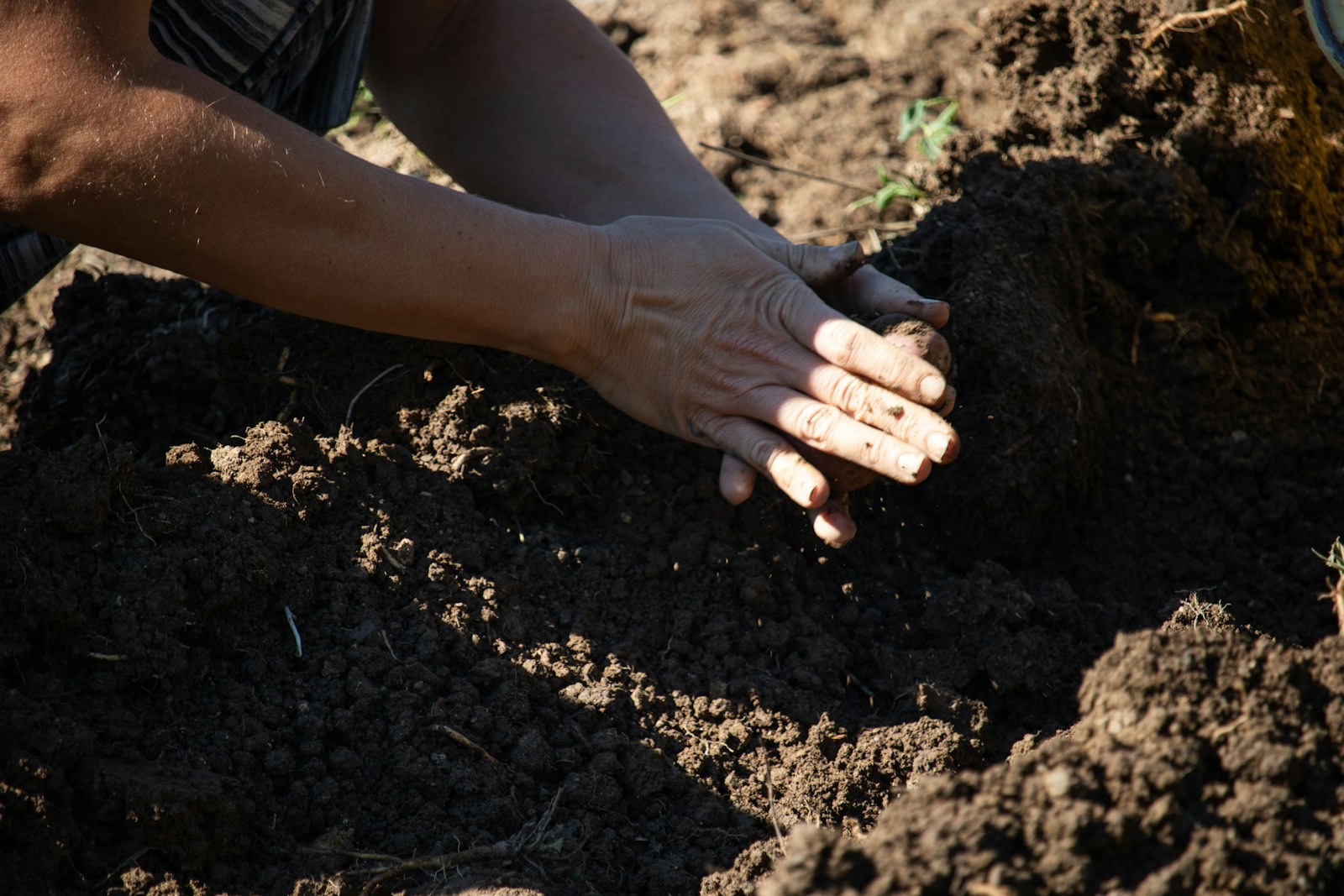
What a Sour Smell in Your Soil Means for Your Garden
A vibrant garden starts with healthy soil, but what happens when that soil gives off a sour odor? If you’ve noticed a pungent, unpleasant smell emanating from your garden beds, it’s essential to understand what’s happening below the surface. In this article, we’ll explore the potential causes of sour-smelling soil and how to address the issues effectively.
Understanding Soil Odors
Soil odor can be a reliable indicator of its health. A healthy garden soil should have an earthy, fresh smell—think of the scent after a rain shower. However, when soil smells sour or rotten, it can indicate anaerobic conditions, where oxygen levels are low, leading to the buildup of harmful gases and bacteria.
Common Causes of Sour Soil
1. Poor Drainage: One of the leading causes of sour-smelling soil is poor drainage. When water accumulates and doesn’t drain properly, it creates an anaerobic environment that can lead to the proliferation of harmful microbes. This is especially common in heavy clay soils or areas with compacted earth.
2. Excessive Organic Matter Decomposition: While organic matter is essential for healthy soil, too much can be problematic. When organic materials, such as grass clippings or fallen leaves, decompose anaerobically, they can produce foul-smelling gases like hydrogen sulfide, which is often described as a rotten egg smell.
3. Overwatering: Overwatering your plants can lead to waterlogged soil, which suffocates roots and creates an environment ripe for anaerobic bacteria. This not only affects the smell but also the health of your plants.
4. Soil Contamination: In some cases, soil may be contaminated with pollutants or chemicals that can produce unpleasant odors. This is particularly a concern in urban areas or sites previously used for industrial purposes.
5. High Salinity: Soils with high saline levels can also emit a sour smell, as salt can disrupt the balance of beneficial microbes and lead to poor soil health.
Identifying the Problem
To determine the cause of sour-smelling soil, start with a thorough inspection:
Check Drainage: Dig a small hole about 12 inches deep and fill it with water. If it takes longer than a few hours to drain, you may have drainage issues.
Examine Organic Matter: Look for an excessive buildup of organic debris. If you find a thick layer of decomposing material, it may be time to remove some.
Test Soil Moisture: Use your finger to probe the soil. If it feels soggy or waterlogged, you may be overwatering or experiencing drainage problems.
Assess Soil Salinity: If your plants are struggling and you suspect salinity, consider sending a soil sample to a local extension service for testing.
Solutions for Sour Soil
Once you’ve identified the cause of the sour smell, it’s time to implement strategies to improve your soil’s health.
1. Improve Drainage: If poor drainage is the issue, consider amending your soil with organic matter like compost or peat moss. This can improve soil structure and drainage. In severe cases, you may need to create raised beds to elevate the soil above the water table.
2. Manage Organic Matter: If you have a lot of decomposing organic matter, turn it into the soil to aerate it and speed up decomposition. You can also mix in carbon-rich materials, such as straw or wood chips, to balance the nitrogen levels and reduce odors.
3. Adjust Watering Practices: Ensure you’re watering appropriately for your plants’ needs. A general rule of thumb is to water deeply but infrequently, allowing the topsoil to dry out between waterings. Always check the moisture level before applying more water.
4. Consider Soil Amendments: Adding lime can help balance pH levels and improve soil health, especially in cases of high acidity. Additionally, gypsum can help improve soil structure and drainage without altering pH.
5. Test and Amend for Salinity: If salinity is an issue, flush your soil with water to leach out excess salts. You may also want to plant salt-tolerant species temporarily while you work on improving soil quality.
Preventing Future Issues
To prevent odors from returning, adopt good gardening practices:
Rotate Crops: Avoid planting the same crops in the same spot year after year. Crop rotation can help prevent the buildup of pathogens and maintain soil health.
Regular Aeration: Aerate your soil periodically, particularly in compacted areas, to ensure proper airflow and drainage.
Monitor Organic Additions: Be mindful of how much organic material you’re adding to your garden. Aim for a balanced approach to composting and mulching.
Soil Testing: Regularly test your soil for pH, nutrient levels, and salinity. This will help you stay ahead of potential problems.
In summary, a sour smell in your garden soil can signal various underlying issues that need attention. By identifying the cause and taking appropriate measures, you can restore your soil’s health and, consequently, the vitality of your garden. Happy gardening!