What Experienced Gardeners Always Do Before the First Heatwave to Save Their Plants and Thrive
When that first big heatwave is on the horizon, your garden can feel a bit like a ticking clock. It’s easy to worry about wilted leaves and drooping flowers, but there are steps you can take to help your plants handle the heat.
Gardeners who’ve seen it all have a few tricks to keep their plants healthy during those scorching days. A little preparation now means less stress for you and your garden later.
Check soil moisture deeply before watering!
Before the temperature climbs, check if your plants actually need water. Stick your finger about two inches into the soil.
If it feels dry, it’s time to water. If it’s still damp, you can wait.
Don’t just water on a schedule. Overwatering can hurt your plants just as much as letting them dry out.
If the soil sticks together when you squeeze it, there’s enough moisture. If it crumbles, it’s time to water.
Try to check soil moisture in the morning before the heat sets in. Morning checks make it easier to keep up with your garden’s needs.
Harvest heat-sensitive veggies early
Some veggies just can’t handle the heat. Lettuce, spinach, and broccoli are especially sensitive.
Harvesting before the heatwave helps keep their flavor and texture. Pick them in the early morning for the best results.
Once picked, store them somewhere cool and shady. This keeps them crisp even as the temperature rises.
Early harvest means you get to enjoy your veggies at their best. It’s a simple way to save your crop from the worst of the heat.
Apply a thick layer of organic mulch
Mulch is your garden’s best friend when the heat arrives. Spread a layer of organic mulch two to four inches thick around your plants.
This keeps soil cool and moist, and helps block weeds. Just make sure not to pile mulch against plant stems.
Organic mulch breaks down over time, adding nutrients back into the soil. Your plants will stay happier and healthier through the summer.
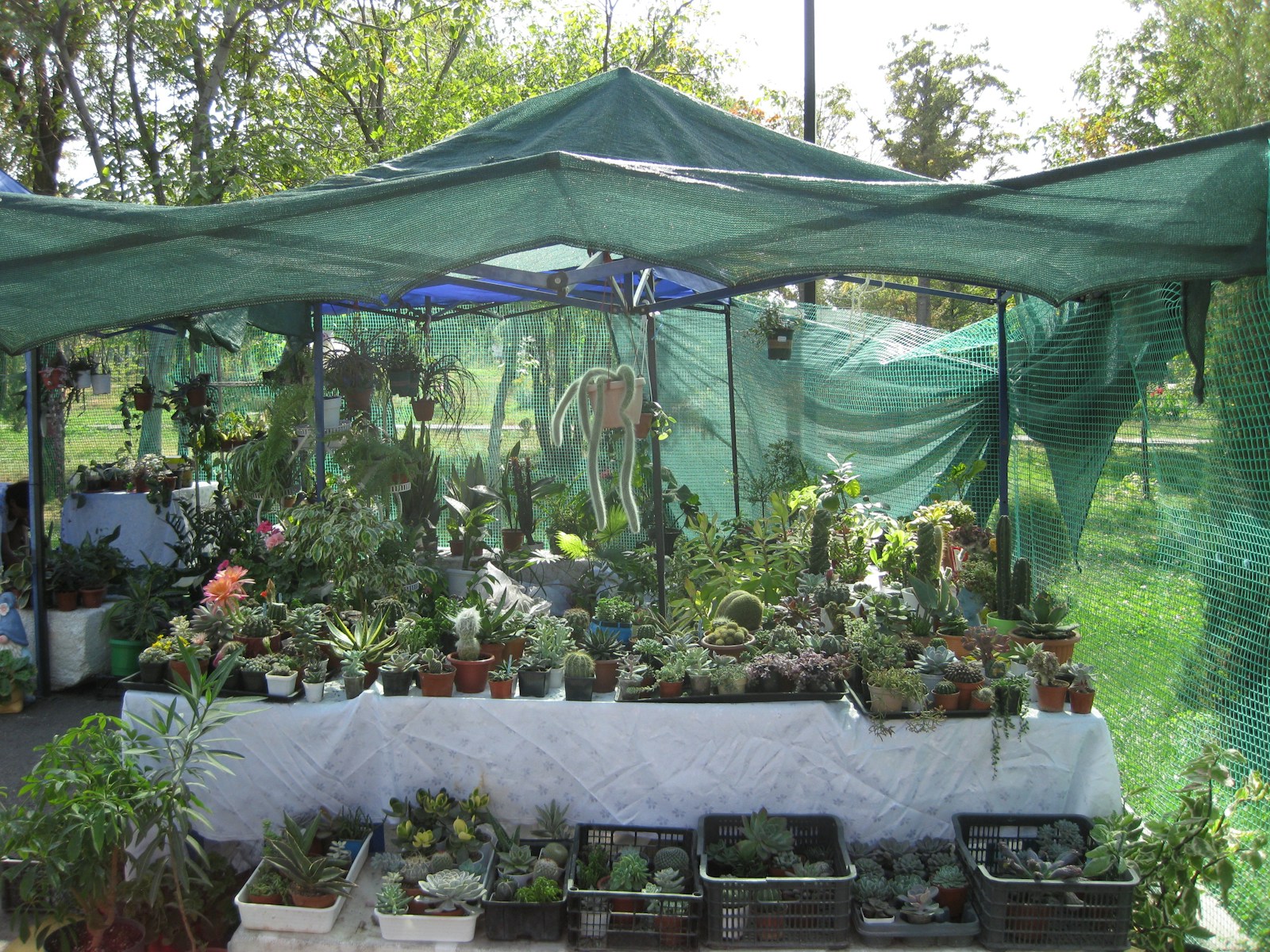
Set up shade cloth over delicate plants
Some plants just need a little extra help. Shade cloth can make a big difference for those that burn easily.
Choose a cloth that offers 30 to 50 percent shade, depending on your plants’ needs. Drape it so it covers your plants during the hottest part of the day.
Secure the cloth with stakes or clips. Make sure there’s enough airflow underneath to prevent humidity from building up.
Shade cloth helps keep your plants cool and reduces water loss. It’s a quick fix that can save your favorites from sunburn.
Water plants in the early morning only
Watering in the cool morning hours helps plants soak up moisture before the sun gets intense. Early watering means less evaporation and more hydration for your garden.
Aim to water between 5 a.m. and 9 a.m. This helps prevent diseases that can happen if leaves stay wet overnight.
Getting into this habit keeps your plants strong and ready for the heat. It’s a small change that makes a big difference.
Delay fertilizing until after the heatwave
It’s tempting to give your plants a boost, but hold off on the fertilizer until the heat passes. Fertilizer encourages new growth that’s too sensitive in extreme heat.
Wait for cooler weather before feeding your plants. This way, they can absorb nutrients safely without extra stress.
After the heatwave, your garden will be ready for a nutrient boost. Timing matters, and your plants will bounce back stronger.
Prune sparingly to reduce stress
A little pruning before a heatwave can help, but don’t go overboard. Remove only dead or damaged branches.
Too much pruning can shock your plants and leave them with less protection from the sun. Focus on keeping good airflow and removing weak growth.
Use sharp, clean tools to make quick, healthy cuts. Your plants will be better prepared for the heat with just a little tidy-up.
Inspect irrigation systems for leaks
Check your irrigation system before the heatwave starts. Leaks waste water and can leave your plants thirsty.
Turn on your system and look for wet spots or puddles. Inspect sprinkler heads and drip lines for any problems.
Fix any leaks or broken parts right away. A working system keeps your garden hydrated when it matters most.
Move potted plants to shaded spots
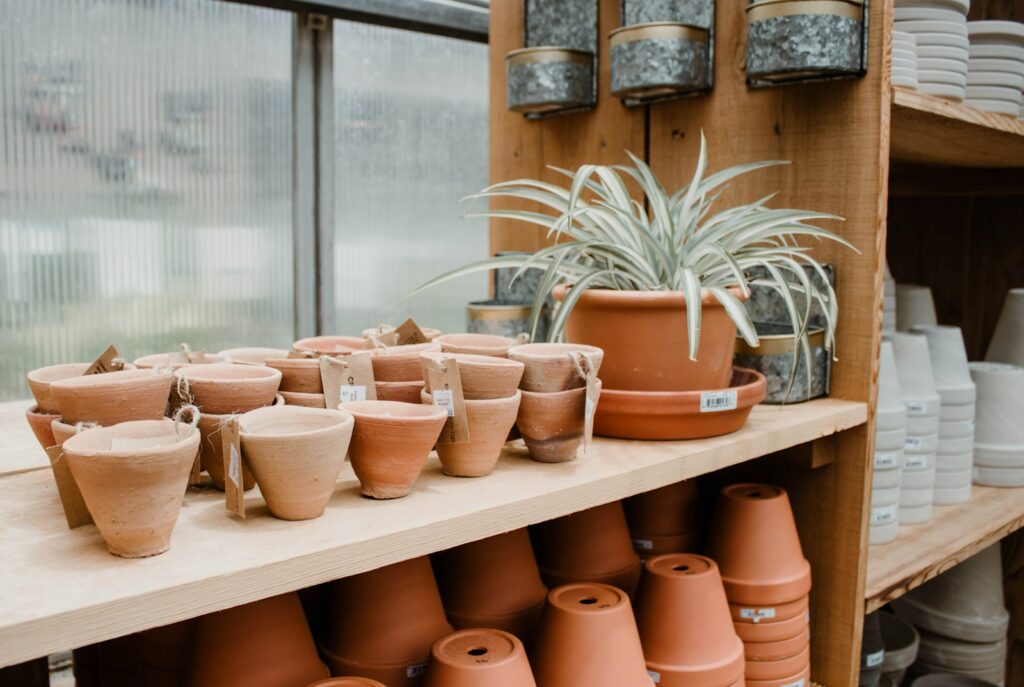
Potted plants heat up fast and need extra care. Move them to a shady area before the hottest part of the day.
Shady spots help keep roots cool and soil moist. If possible, give them filtered light or a bit of breeze.
Moving pots is a quick way to protect your plants from stress. You’ll notice they stay fresher and healthier.
Remove weeds to reduce competition
Weeds steal water, nutrients, and sunlight from your plants. Pull them out before the heatwave arrives.
Clear weeds while they’re small for easier removal. Less competition means your garden can focus on growing strong.
A weed-free garden is better prepared to handle the stress of hot weather.
Understanding Microclimates in Your Garden
Every garden has its own little zones where the sun hits harder or the breeze cools things down. Noticing these differences can help you protect your plants more effectively.
Check how sunlight, wind, and surfaces affect different areas. This helps you plan where to water more, add shade, or move sensitive plants.
How Microclimates Impact Heatwave Preparation
Some spots near walls or fences heat up quickly and stay warm. Shady areas under trees or next to buildings stay cooler.
Knowing your garden’s hot and cool zones lets you protect plants where they need it most. Adjust your care based on these differences.
Identifying Vulnerable Plant Zones
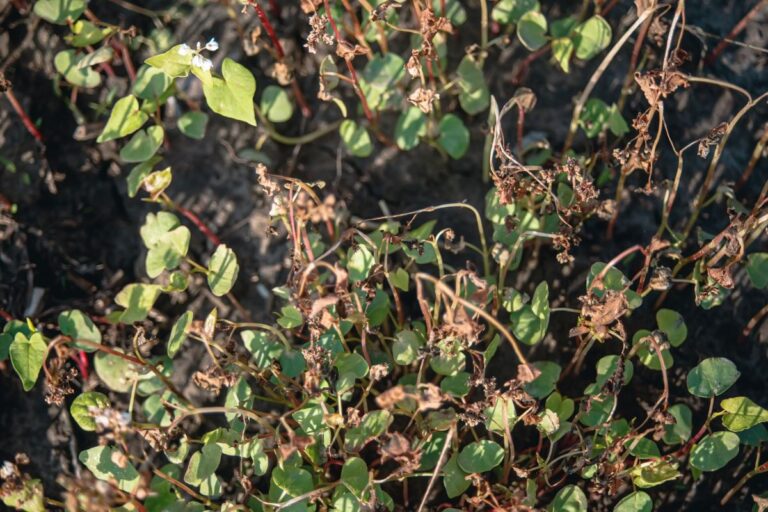
Look for areas where plants wilt or leaves brown in the afternoon. These are usually the most exposed to sun and heat.
Mark these spots so you can focus your efforts there. Extra shade or water can make a big difference.
Soil Health and Moisture Retention Strategies
Healthy soil holds water and helps roots breathe. This is especially important when the heat is on.
Use the right techniques to keep your soil in top shape and help your plants handle dry spells.
Mulching Techniques for Heat Protection
A layer of mulch two to four inches thick keeps soil cool and moist. Use straw, wood chips, or shredded leaves.
Mulch blocks sunlight and reduces evaporation. It also helps stop weeds from stealing water.
Leave a gap around plant stems to prevent rot. Refresh mulch before the heatwave for the best protection.
These simple steps can help your garden not just survive but thrive when the heat arrives. Taking action now means you and your plants can relax a little more when the temperature soars.
Improving Soil Structure for Resilience
Soil that’s loose and full of tiny spaces for air and water gives your plants a real advantage. If your soil feels heavy or clumpy, adding organic matter like compost or aged manure can help.
Work the compost into the top six to eight inches of soil. This simple step boosts how much water the soil can hold.
Try to avoid stepping on your garden beds. When soil gets compacted, roots have a harder time growing and water can’t soak in as easily.
Making small trenches, called swales, helps catch rainwater and keeps it near your plants’ roots. Aerating with a garden fork lets water reach deeper, giving roots a better shot at thriving.
These changes can make a big difference, especially during hot, dry spells. Your plants will have stronger roots and stay healthier when the weather gets tough.