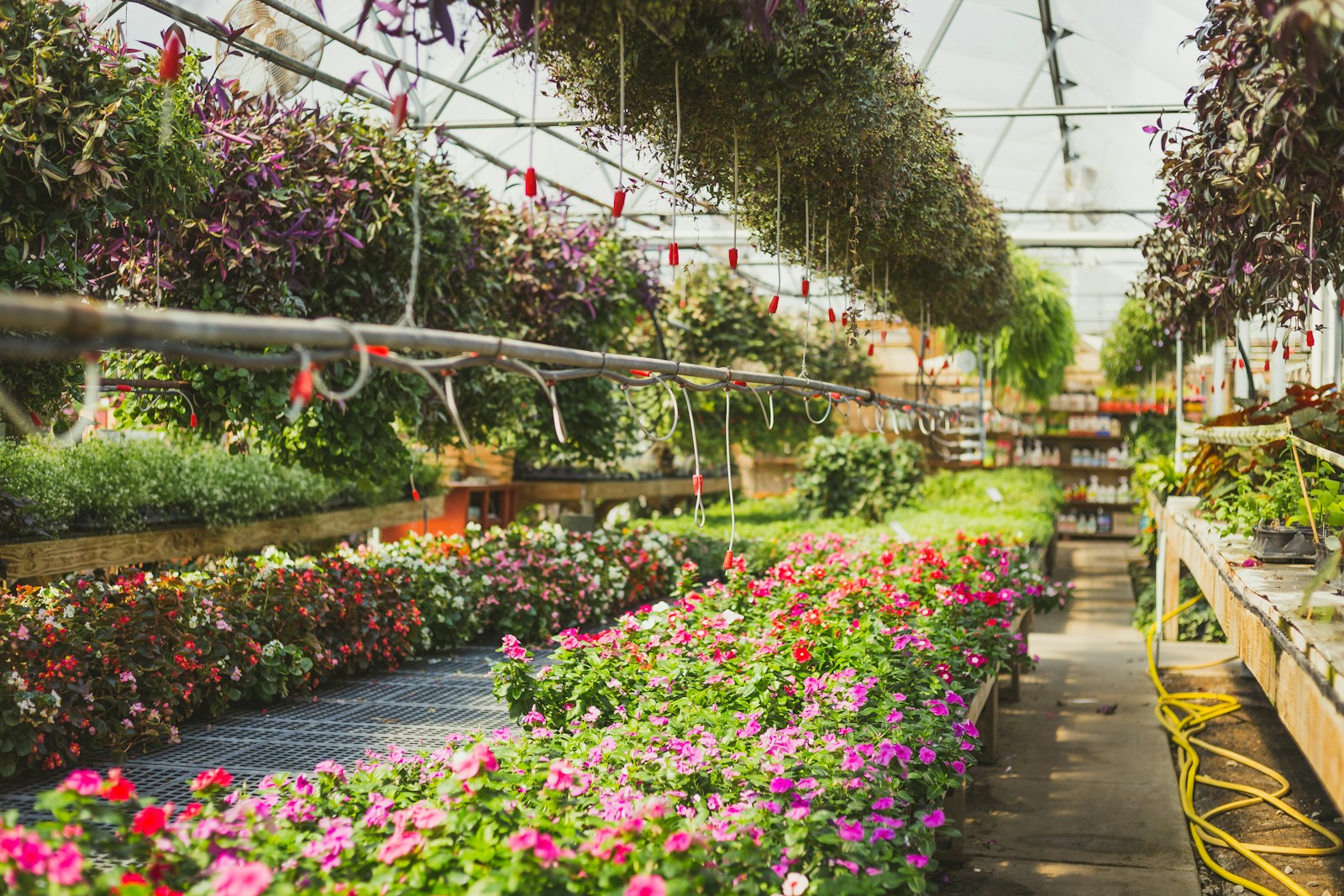
What Garden Centres Don’t Want You to Know About Their Plants
Ever walked into a garden centre and felt like you just stepped into a plant lover’s paradise? Rows of perfect blooms, glossy leaves, and vibrant colors seem to promise instant success in your own backyard.
But there’s a lot happening behind those pretty displays that most shoppers never realize. If you want to avoid disappointment and make sure your plants actually thrive at home, it helps to know what’s really going on.
Plants in small pots are often root-bound and stressed—repot immediately!
A lot of plants at garden centres come packed into small containers, and that can spell trouble. Their roots get tangled and crowded, with nowhere left to grow.
This stress can cause yellow leaves and stunted growth, even if the plant looks fine at first. The roots simply can’t soak up enough water or nutrients anymore.
Repotting soon after purchase gives your plant a new lease on life. Choose a slightly bigger pot and gently loosen the roots before planting.
Acting early means your plant can settle in and start growing strong and healthy. You’ll notice lusher leaves and better growth before you know it.
Blooming plants at the center may be short-lived and sell to rush impulse buys
Those gorgeous blooming plants right at the entrance are hard to resist. Many are short-lived perennials or seasonal flowers, chosen to catch your eye and encourage a quick purchase.
The bright colors and big blooms create a sense of urgency, making you want to grab them before they’re gone. What you might not realize is that some of these plants will fade fast or need special care to keep flowering.
It’s a good idea to check how long a plant typically blooms and whether it needs dividing or extra attention. That way, your splash of color lasts longer than just a few weeks.
Some plants look healthy but are past their prime, destined not to thrive
Sometimes, a plant looks perfect—shiny leaves, strong stems, and no visible damage. But appearances can be deceiving.
Plants can be near the end of their life cycle even if they still look good. Growth might slow or stop soon after you bring them home.
You might notice the plant doesn’t put out new leaves or flowers. That’s a sign it’s struggling, even if it looked healthy in the store.
Check for steady new growth or ask for fresher stock to give your garden the best chance to flourish.
Garden centers often hide invasive species that harm local ecosystems
It’s easy to assume every plant for sale is a safe bet for your yard. In reality, many garden centres stock invasive species with no warning.
These plants look beautiful and are often popular, but they can spread fast and crowd out native plants. This can hurt local wildlife that depends on native species for food and shelter.
There aren’t always signs letting you know a plant could be risky. It’s worth learning which plants are invasive in your area so you can make choices that help, not harm, your garden and the environment.
Choosing native or non-invasive plants feels good and supports local nature. Your garden will be a haven for wildlife and a source of pride.
Tags can be misleading—plants labeled “easy-care” might need special attention
Seeing a plant labeled “easy-care” feels like a win, but those tags can be misleading. Some of these plants still need precise watering or just the right light.
A plant like the ZZ might be called indestructible, but soggy soil can quickly lead to rot. The basics on the tag don’t always tell the whole story.
Dig a little deeper before you buy. Check for details on watering, light, and temperature. Learning your plant’s real needs helps it thrive and saves you frustration later.
Many plants are treated with growth retardants to look fuller but stunt natural growth.
A lot of plants look extra compact and lush in the store because they’ve been treated with growth retardants. These chemicals keep plants small and bushy for display.
Once you get the plant home, you might notice it grows slowly or doesn’t reach the size you expected. The chemicals wear off, and the plant’s natural growth resumes—sometimes awkwardly.
If you want your plant to grow naturally, you may need to be patient and adjust your care. Knowing about this trick helps you set realistic expectations and choose plants that suit your style.
Rare perennials are often understocked because centers push common varieties
You’ll probably see the same popular perennials on every shelf. Garden centres stick to what sells quickly and what most people recognize.
Rare perennials often get left out, even though they can bring unique colors and shapes to your garden. These plants might need special care or just aren’t as well-known, so stores don’t carry many.
If you want something different, check online shops or specialty nurseries. Finding these hidden gems makes your garden stand out from the rest.
Bulbs displayed might not bloom if they have been poorly stored or are low quality.
Bulbs seem like a sure thing for beautiful blooms, but not all are created equal. Poor storage at the centre can leave bulbs too wet or cold, causing them to rot or lose energy.
Sometimes, the bulbs for sale are small or lower quality. Smaller bulbs often don’t have enough stored food, so they might not flower well—or at all—the first year.
Look for firm, large bulbs and don’t be shy about asking how they’ve been stored. This little bit of effort means a bigger payoff when your flowers bloom.
Overwatering happens frequently in displays, leading to weakened plants in pots
Many garden centre plants look lush because they’re watered often, but this can backfire. Pots don’t always drain well, and too much water leads to root rot.
Signs of overwatering include yellow leaves, droopy stems, or soft spots at the base. Even if the plant looks healthy up top, the roots might already be struggling.
Check the soil before buying and avoid pots sitting in water. Once home, let your plants dry out between waterings for stronger, happier growth.
Seasonal trends push sales of exotic plants that suffer in local climates
Every spring and summer, exotic plants pop up front and center at garden centres. Their bright colors and unusual shapes are tempting, but they’re not always suited to your local climate.
These plants come from far-off places with different weather and light. When the seasons change, many struggle or even die, no matter how healthy they looked at first.
If you love exotic plants, be ready for extra care and attention. Otherwise, you might be replacing them sooner than you’d like.
How Garden Centres Source Their Plants
Plants don’t just appear on garden centre shelves overnight. They travel through a complex supply chain before you ever see them.
Understanding where your plants come from can help you spot quality and make choices that work for your garden.
Wholesale Networks Explained
Most garden centres don’t grow everything themselves. They buy from wholesale nurseries that act as distributors, supplying plants to many stores.
The process usually looks like this:
- Growers start plants from seeds or cuttings.
- Wholesale nurseries buy in bulk, care for them, and sell to retailers.
- Retail nurseries and garden centres sell to shoppers.
This system brings variety but means plants might be grown far from your home. Quality depends on both the grower and the wholesaler.
Imported vs. Locally Grown Varieties
Garden centres stock both imported and local plants. Imports can offer rare or out-of-season varieties but sometimes bring pests or diseases.
Local plants are grown nearby and usually adapt better to your climate. They often need less care and water.
Here’s a quick comparison:
| Factor | Imported Plants | Locally Grown Plants |
|---|---|---|
| Availability | Wider variety, unique types | Limited but more adapted |
| Risk | Possible pests and diseases | Lower risk |
| Environmental Impact | Higher carbon footprint | Lower footprint |
| Maintenance | May need special care | Easier to maintain |
Choosing the right source helps your plants thrive and keeps your garden looking its best.
Insider Secrets to Plant Health in Retail Environments
Plants at garden centres go through a lot before you take them home. Handling, shipping, and display conditions can all affect their health.
Knowing what to look for helps you pick the best plants and avoid bringing home hidden problems.
How Plants Are Maintained Before Sale
Ever wonder what happens to plants before you take them home from the garden centre? Staff spend a lot of time making sure each plant looks its best and stays healthy.
They pay close attention to watering, making sure not to overdo it or let the soil dry out. Mild fertilizers are used to keep the leaves looking green and fresh.
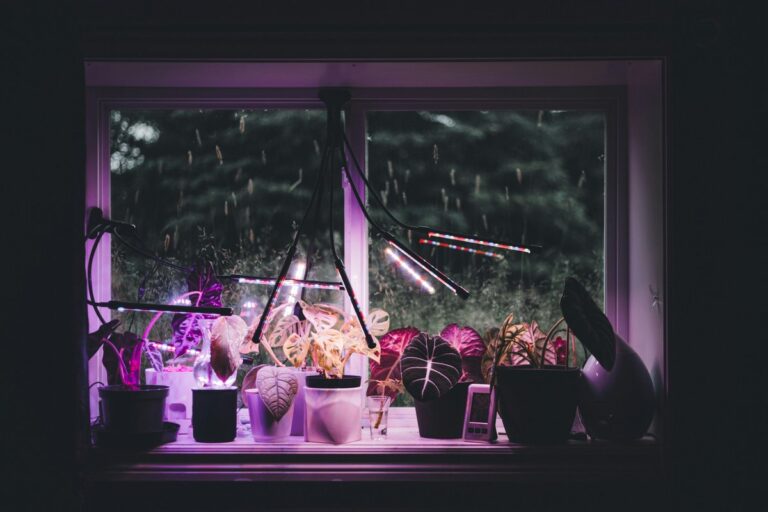
Lighting matters too, especially for plants kept indoors. Some places use special lights that mimic sunshine so plants keep growing strong.
Workers keep an eye out for pests and any signs of sickness. If a plant starts looking unwell, it gets removed to protect the rest.
You might spot plants arranged to show their healthiest side. Rotating them helps every part get enough light and keeps them looking good for shoppers.
Hidden Stress Factors Affecting Growth
When you visit a garden centre, it is easy to assume the plants are thriving. However, there are hidden stress factors that can slow their growth.
Temperature changes are a common issue. Stores might be much cooler or warmer than what plants prefer.
Constant shifts between different temperatures can make it hard for plants to adjust. This often leads to slower growth.
Crowding is another problem. Plants are packed close together to save space.
Limited airflow between plants can increase the risk of mold or pests. Roots may also become cramped in small pots.
Being handled by many people adds more stress. Touching leaves or moving pots can cause damage or bruising.
These stresses can make plants weaker by the time you bring them home. Taking a close look before buying can help you pick the healthiest ones.