What Gardeners Are Doing Differently Because of Warmer Winters: Exciting New Trends Transforming Backyards
If your backyard feels a little different these days, you’re not alone. Warmer winters have started to shake up gardening routines everywhere.
Sudden weather changes mean your plants and soil might not behave the way you expect. This shift is pushing gardeners to rethink their usual methods and adapt to new challenges.
You are adjusting your garden plans, plant choices, and care routines to match these warmer winters and keep your garden healthy and growing. These changes help you protect your garden from unexpected weather and keep it thriving despite the new climate.
Adjusting planting schedules to avoid early frost damage
With frost arriving at unpredictable times, planting your garden takes a little more planning. Starting seeds too early can leave your young plants at risk if a late frost suddenly arrives.
By paying close attention to your local frost dates, you can better time your planting. Use these dates as a guide, but also watch the weather closely.
Temperature swings can still surprise you, so flexibility is key. You can also use soil temperature to decide when to plant.
Warmer soil helps seeds grow faster and keeps seedlings stronger. This way, your plants will be ready to handle cooler nights when frost happens.
Monitoring chilling hours for peonies and tulips
If you grow peonies or tulips, keeping track of chilling hours is more important than ever. These plants need a certain amount of cold time—usually between 500 and 1,000 hours below 45°F—to bloom well.
Without enough chill, your flowers might struggle to open or produce buds. Tracking chill hours means watching your local temperatures in winter.
You can use a simple thermometer or check online weather data. If your region is warming, you might notice fewer hours cold enough for your plants.
Knowing this helps you make smart choices. You could pick peony or tulip varieties that need less chilling.
Or, you might give extra care by planting where it’s cooler or shading spots that warm up too fast. By paying attention to chilling hours, you help your plants get the rest they need.
Starting invasive species removal earlier in the season
Warmer winters can mean invasive plants wake up earlier than you expect. By acting early, you can stop them from spreading quickly.
When you catch invasive species right as they begin to grow, it’s easier to pull them out or cut them back. This gives your native plants a better chance to thrive.
Keep an eye out for shrubs, vines, or weeds that green up early or grow fast. Pulling invasive roots or cutting stems before they flower helps stop seeds from spreading.
Starting early also helps protect local wildlife. Native plants provide food and shelter, which invasives often crowd out.
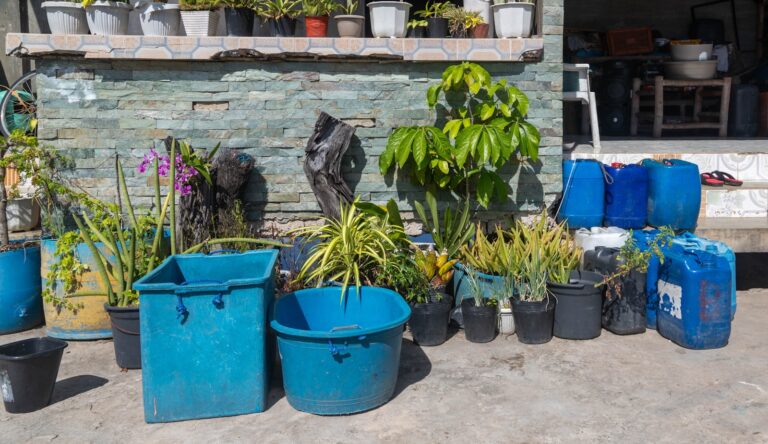
Using rain barrels for efficient garden watering
Dry spells are more common with warmer winters, so finding ways to keep your garden watered is a must. Using rain barrels is a fantastic choice.
They collect rainwater from your roof, so you have fresh water ready for your plants. Rainwater is natural and chemical-free, making it better for your flowers and vegetables.
Plus, it saves you money by cutting down your water bill. You can set up a barrel right by your downspout to catch as much water as possible.
Rain barrels don’t just help you save water—they also give your garden a cool, rustic look. You can even turn a wooden barrel into a little herb garden.
This method works well during dry spells or droughts caused by warmer winters. You get a steady water supply without relying on tap water.
Expanding planting zones for perennials once borderline to the area
If you’ve ever wished you could grow more adventurous plants, warmer winters might be your chance. Plants that once barely survived the cold now have a better chance to thrive.
You might find yourself choosing flowers and shrubs you never thought possible for your zone. Perennials that were suited only for slightly warmer areas are becoming reliable choices near you.
Keep in mind that with this change, you’ll want to watch how these plants handle your specific conditions. Some may still need extra care during unexpected cold snaps.
Your garden becomes a spot to explore new plants and test out different ideas you couldn’t try before. It’s a great time to expand what you grow and see your outdoor space transform.
Experimenting with winter crops in traditionally cold months
Winter doesn’t always mean a gardening break anymore. Many gardeners are trying out crops during months that used to be too cold.
Now, winter vegetables like kale, carrots, and beets can survive longer in the ground. You can even plant leafy greens and root crops in December if your soil isn’t frozen.
You may also try new ways to protect your plants. Using raised beds, cold frames, or small tunnels helps keep the soil warmer.
By experimenting now, you’re tapping into a longer growing season. This means more chances to enjoy fresh vegetables all year.
Applying organic compost to improve soil health in warmer seasons
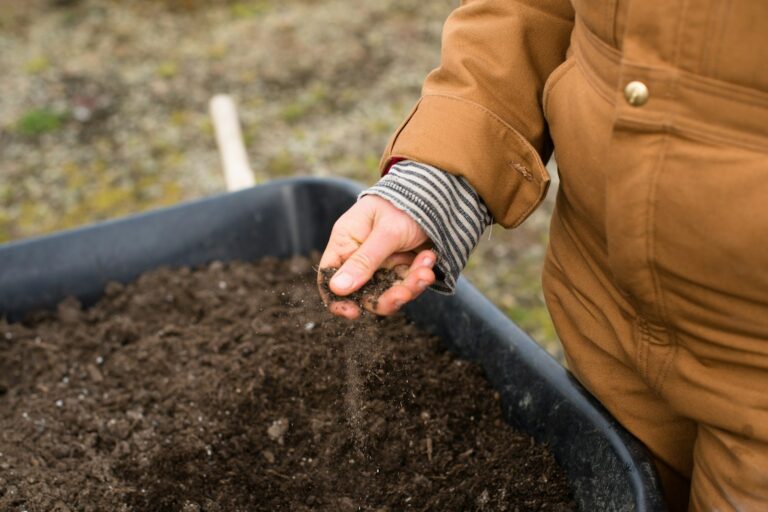
Adding organic compost is a simple way to boost your garden’s health. Compost helps boost nutrient levels, making your plants stronger and healthier during the growing season.
Using compost improves the soil structure, so it holds water better. This is especially helpful when the weather gets warmer and the soil dries out faster.
When you add compost, you also support beneficial microbes in the soil. These tiny helpers break down organic material and keep the soil alive.
Applying compost during warmer seasons helps cycle nutrients more efficiently. It feeds your plants naturally without the need for harsh chemicals.
Introducing pest management strategies for new northward pests
You might see insects that never bothered your garden before. These new pests can harm your plants if you don’t act quickly.
You can use integrated pest management (IPM) to handle these challenges. IPM mixes different tools like natural predators, cultural changes, and careful monitoring.
Watching your garden often is key. Regular checks help you spot new pests early.
You can also try planting varieties that resist these insects. Changing how and when you tend your garden can make it less inviting to pests too.
Delaying spring clean-up to protect dormant plants
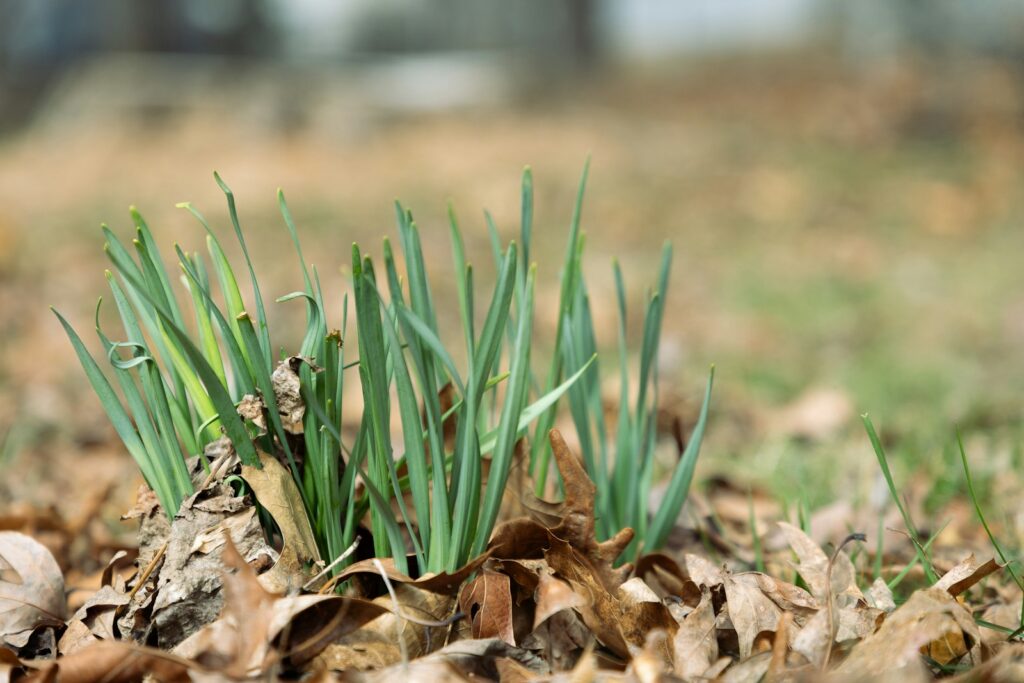
It can be tempting to tidy up as soon as winter ends, but waiting a little longer is often better. When winters are warmer, some plants stay dormant for a bit longer.
Leaving dead leaves and old stems around gives plants extra protection. These materials act like a blanket, keeping the soil cooler and moist.
By delaying clean-up, you also support the natural life cycle in your garden. Dormant plants get to rest fully, which leads to healthier growth later.
Taking your time with spring clean-up means you’re working with nature. Give your plants the best chance by letting them sleep a little longer this year.
Incorporating drought-resistant plant varieties
Picking plants that use less water is a smart move these days. Drought-resistant varieties are perfect for warmer winters because they handle dry conditions well.
These plants need less care and still look great, saving you time and effort. Plants like lavender, sedum, and native grasses are tough and beautiful.
They offer color and texture without needing much water. Adding mulch and improving soil also helps these plants grow.
Mulch keeps moisture in the ground and protects roots from heat. Good soil with organic matter supports healthy plants, so your drought-resistant garden can thrive.
By choosing the right plants, you create a lively garden that uses water wisely. Your garden can stay healthy and vibrant, no matter the climate.
Why Warmer Winters Are Changing Our Gardens
You might be surprised at how much a mild winter can change your garden. Warmer winters are shifting where plants can grow and changing how long your garden can produce.
These changes affect what you plant and when you start your garden work each year.
Shifting Growing Zones
As winters warm, many plants are moving north or to higher altitudes. This means plants that once only survived in warmer areas can now grow in your region.
You might notice new varieties thriving in your garden or even pests that didn’t appear before. The USDA plant hardiness zones are shifting, so the guide you used last year might not work for your garden now.
You may need to pick plants suited for a different zone or try new species adapted to warmer winters.
- Growing zones have shifted northward.
- New plants and pests are appearing in your area.
- You may need to update your plant choices.
Extended Growing Seasons
Warmer winters often lead to milder frosts and longer periods without freezing. This lengthens your growing season by allowing you to start planting earlier in spring and sometimes continue later into fall.
You need to adjust your planting calendar. Some plants might bloom sooner or take longer to mature.
It’s exciting because you can try crops you couldn’t grow before or get more harvests in one year. But be careful—longer seasons can also mean more pests and diseases.
Keeping an eye on your plants and managing risks is important.
- Start seeds indoors earlier or plant outside sooner.
- Extend harvest by planning for fall crops.
- Watch for new pests taking advantage of longer seasons.
Emerging Approaches to Winter Gardening
You can protect your plants in new ways that match changing winter conditions. Also, shifting when you plant helps you make the most of warmer winters.
Innovative Plant Protection Methods
With winters getting warmer, you need to rethink how you shield your plants. Instead of heavy mulching to fight deep freezes, focus on frost cloths and lightweight covers that protect from sudden cold snaps without overheating plants.
Using cold frames and mini greenhouses lets you create small, controlled environments. These keep temperatures steady and guard against erratic weather.
Plus, they extend your growing season by weeks. You should also pay attention to soil protection.
Cover crops like clover or winter rye improve the soil while preventing erosion. They also help keep the ground cooler, balancing the warmer air temperatures.
Adjusting Planting Schedules
Have you noticed winters just aren’t what they used to be? Warmer winters can actually open up new possibilities in your garden.
You might find yourself able to plant some crops earlier than you did before. Cool-season vegetables like kale and Brussels sprouts could be sown sooner, letting you take advantage of milder soil temperatures.
On the flip side, some plants rely on a certain amount of cold to bloom or fruit well. If you love bulbs, you may need to delay planting or look for varieties that do better with fewer cold hours.
It helps to create a calendar based on what’s really happening with your local temperatures. Keep an eye on your last frost date and tweak your planting dates as needed.
This way, you can dodge surprises from late cold snaps or sudden early heat. Adapting your schedule keeps your garden thriving even as the weather shifts.