What Gardeners Learned After Trying to Grow Grocery-Store Replacements: Surprising Tips and Success Stories!
Ever looked at your kitchen scraps and wondered if they could be more than just compost? Many gardeners have turned their leftover produce into thriving plants, finding creative ways to save money and reduce waste.
Trying to grow new veggies from grocery store produce brings out a sense of curiosity and adventure in the garden. Real stories and simple tips from those who have tried this show just how rewarding and fun it can be.
Chinese cabbage regrows easily from the base, giving multiple harvests!
Growing Chinese cabbage at home can lead to more than one harvest. After cutting the main head, leave the base in the soil and it will regrow new leaves.
No need to start from seeds each time. The plant keeps giving you fresh greens.
Regrowing from the base is a time saver. Keep the soil moist and watch new leaves appear quickly.
This method lets you pick tender greens for salads, soups, or stir-fries. It’s a satisfying way to get more from a single plant.
Green onions come back fast when regrown in water on your windowsill.
Green onions are one of the quickest kitchen scraps to regrow. Place the leftover bases in a jar with water and set it on a sunny windowsill.
In just days, fresh green shoots start popping up. Change the water every few days to keep them healthy.
No garden? No problem. This method doesn’t need soil or pots.
Cut the green tops when you need them and watch them grow back. It’s a simple way to save money and always have fresh onions on hand.
Potatoes sprout new plants if you save and plant the eyes from store-bought ones.
Those little eyes on your potatoes can become new plants. Cut the potato into pieces with at least one eye each and plant them in your garden.
The eyes will grow shoots that turn into full potato plants. It’s surprising how a store-bought potato can give you a whole new harvest.
This method reduces waste and is fun to watch. Try it and see how easy it is to grow your own potatoes.
Tomatoes from the grocery store can thrive if you grow them from saved seeds
It’s possible to grow tomato plants from the seeds inside a grocery store tomato. Carefully remove and dry the seeds before planting.
Give the seedlings good soil, water, and sunlight. Soon, you’ll have tomato plants of your own.
Store-bought tomato seeds might not always grow into identical fruit. Many grocery tomatoes are hybrids, so results can vary.
Even so, watching tomato plants grow from kitchen seeds is exciting. Fresh homegrown tomatoes are always a treat.
Peppers can be regrown from scraps, adding color and spice to your garden.
Bell pepper scraps can become new plants. Save the seeds or use stem cuttings to start fresh growth.
With some patience, those scraps turn into colorful peppers. It’s a fun way to add variety and flavor to your garden.
Growing peppers from scraps means you don’t have to buy new seeds. Enjoy spicy, tasty vegetables right from your own backyard.
Pineapple tops root well, turning kitchen waste into tropical plants
Don’t toss that pineapple top. You can root it and grow a new tropical plant at home.
Cut off the leafy crown with a bit of fruit attached and let it dry for a few days. Then, place it in water or soil and wait for roots to appear.
Pineapple plants need warmth, so keep them indoors or outside during summer. It takes patience to get fruit, but watching the plant grow is rewarding.
Turning a kitchen scrap into a living decoration is a great way to bring some tropical flair to your space.
Herbs like basil and cilantro flourish when grown from store-bought bunches.
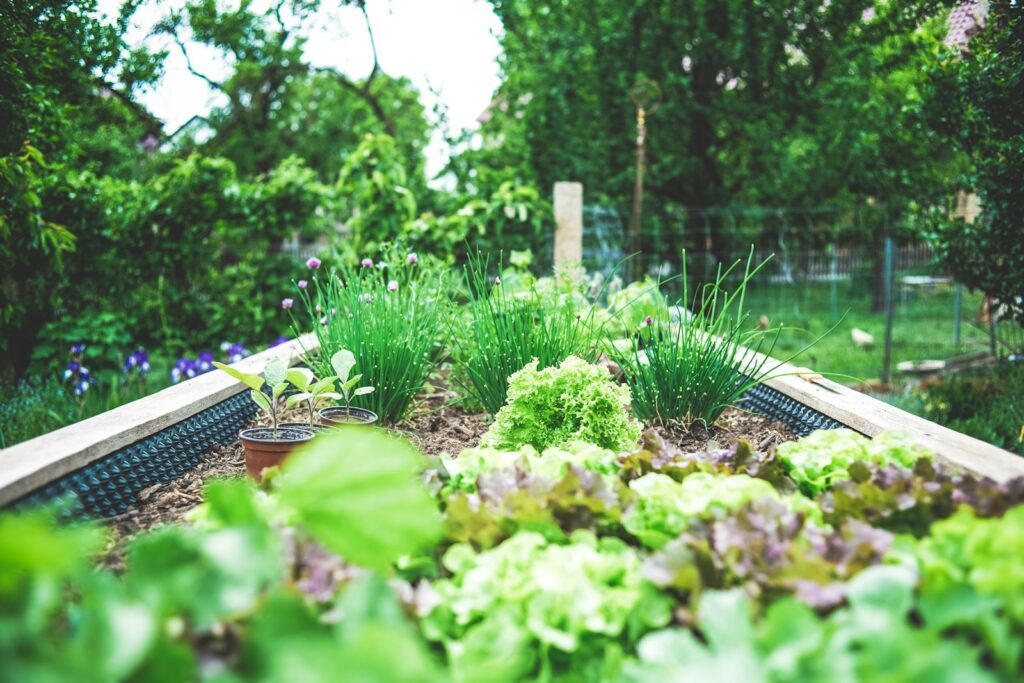
Herbs like basil and cilantro can regrow from grocery store bunches. Place the stems in water or plant them in soil.
With enough light and care, they’ll root and grow new leaves. Homegrown herbs taste fresher and make meals more flavorful.
Keep the water clean or the soil moist for best results. Soon, you’ll have a steady supply for your cooking.
Lettuce stumps regrow fresh leaves, perfect for endless salad supplies
Don’t throw out that lettuce stump. Place it in a shallow dish with water and watch new leaves sprout.
Romaine and cos lettuces work especially well for this. Once roots form, you can move the stump to soil or keep it in water.
This method keeps a supply of fresh greens coming. Even a sunny windowsill is enough to grow your own crisp salad ingredients.
Garlic cloves sprout into new bulbs with minimal effort at home
Garlic is easy to grow from a single clove. Plant a sprouted clove in soil and give it a little water.
Soon, green shoots will appear. Even garlic that’s started sprouting in your fridge can be planted.
With a few months of care, you’ll have a full bulb ready to harvest. It’s a simple way to get fresh garlic from what you already have.
Carrot tops regrow their green tops, attracting beneficial insects to your garden
Carrot tops can be regrown for their leafy greens. Place the tops in water and they’ll quickly sprout vibrant leaves.
These greens don’t grow new carrots, but they attract helpful insects like ladybugs and bees. Supporting pollinators helps keep your whole garden healthy.
It’s a simple way to encourage natural pest control and add some greenery to your garden space.
Key Challenges Gardeners Faced
Growing plants from grocery-store varieties isn’t always straightforward. You might have to adjust your care routines, deal with unexpected growth, or face new pest issues.
Adapting Grocery-Store Varieties for Home Gardens
Grocery-store plants aren’t always bred for outdoor gardens. You might need to give them extra attention or adjust your planting methods.
Potatoes or green onions from the store may take longer to sprout. Sometimes, you’ll need to experiment with watering and soil to get them thriving.
Managing Unexpected Growth Habits
Plants from grocery-store produce can grow in surprising ways. Green onions might stretch toward the light, while tomatoes could produce fewer fruits.
Watching your garden closely helps you spot these changes. Pruning and spacing can make a big difference.
Pest and Disease Resistance Surprises
Some grocery-store plants attract pests or struggle with diseases more than traditional garden varieties. Tomatoes and lettuce might face new challenges outside.
Staying alert and using natural pest controls helps keep your plants healthy. Early action is important for a thriving garden.
Valuable Lessons for Future Success
Growing grocery-store plants teaches you a lot about gardening. Choosing the right seeds, preparing your soil, and understanding your local climate all help your plants do better.
Importance of Seed Selection
Picking the right seeds can make or break your garden. Not every grocery-store plant will thrive in your climate or soil.
Fresh seeds from reliable sources give your plants a better start. Keep notes on what works well so you can make even better choices next time.
Soil Preparation and Amendments
Getting your soil ready is a big step toward a successful garden. Grocery-store plants often do best in rich, loose soil that drains well.
Start by checking your soil’s texture and pH level. Most vegetables prefer soil that is slightly acidic to neutral, around pH 6.0 to 7.0.
Mixing in compost can boost nutrient levels and improve how the soil holds moisture. You may also need to add natural fertilizers or lime to balance things out.
Loosen any compacted areas so roots can grow easily. Giving your plants the right foundation helps them thrive from the start.
Timing and Climate Considerations
Getting the timing right can make a big difference when growing plants from grocery store produce. If you’ve ever tried to start a garden and ended up with nothing but wilted leaves, you know how frustrating it can be.
Check your area’s last frost date and figure out how long your growing season lasts. Some plants like garlic bulbs need to be planted in fall for a summer harvest.
Other plants only start growing once the soil warms up, while a few prefer the cool weather. Local weather patterns can change quickly, so keep an eye out for unexpected heat or cold snaps.
Adjust your planting schedule to match your climate. This way, your store-bought plants have the best shot at thriving.