What Gardeners Who Grew Up Watching Their Grandparents Garden Say They Wish They Had Paid More Attention To
Many gardeners discover that the lessons they value most did not come from books or online tutorials but from quiet moments spent beside older family members. Years later, they often find themselves remembering small habits, unusual techniques, and simple observations they once ignored. For some, those memories return only after they face problems in their own gardens and realize their grandparents had already found the answers.
The Forgotten Notebook Found in the Shed
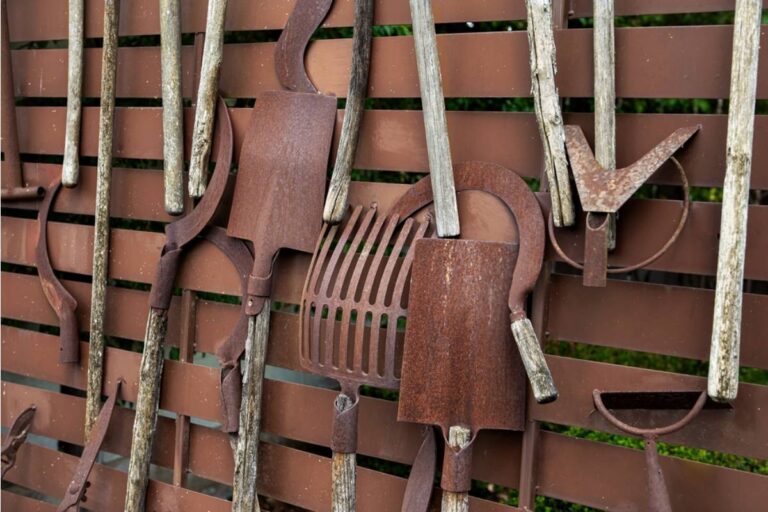
When Emily Parker cleaned out her grandfather’s old shed behind her childhood home, she expected to find rusty tools and unused containers. Instead, she discovered a small notebook tucked beneath a wooden workbench where he had stored seeds every spring. The pages were filled with handwritten notes about planting times, weather patterns, and reminders about specific plants. Emily recognized his handwriting immediately and spent hours reading through the entries. She realized many of the gardening habits she had once dismissed as old-fashioned were actually carefully learned techniques.
The Morning She Ignored the Simple Advice
Emily remembered one summer when her grandfather, Walter, warned her not to rush planting tomatoes in the backyard garden. She had been eager to start and thought buying larger plants from the store would give her a better chance of success. Walter told her, “The soil has to be ready before the plants are ready.” At the time, Emily laughed because she wanted quick results. Years later, after losing an entire tomato crop, she finally understood what he meant.
The Lesson Hidden in the Way He Watered
Emily’s grandfather never carried a hose across the garden for long periods of time like she did when she first started gardening. Instead, he checked the soil with his fingers and watered only where he believed the plants needed it. She used to think his method was unnecessarily slow and old-fashioned. After struggling with plants that developed weak roots, Emily changed her approach and started following his example. She discovered that his routine was based on paying attention rather than following a strict schedule.
The Neighbor Who Remembered the Same Habits
Emily later met her grandfather’s former neighbor, Frank Collins, who had lived beside him for more than 30 years. Frank told her that Walter was always watching the garden carefully instead of trying to control every detail. He remembered Walter sitting quietly near the plants and noticing small changes others missed. Frank said, “He knew something was wrong before the plant showed everyone else.” That conversation made Emily realize her grandfather’s gardening skills came from years of observation.
The Seeds That Almost Got Thrown Away
Another lesson came when Emily found several envelopes of saved seeds in her grandfather’s storage boxes. She almost discarded them because she assumed old seeds would no longer be useful. A local gardening friend encouraged her to test them instead. Some of the seeds successfully grew into plants that produced vegetables similar to those her grandfather had grown. Emily felt like she had brought a small piece of his garden back to life.
The Mistake That Changed How She Prepared Soil
Emily used to focus mostly on buying better plants whenever her garden struggled. She ignored what her grandfather always said about the importance of healthy soil. After several disappointing seasons, she finally followed his practice of adding compost and allowing the soil to recover between plantings. The difference surprised her because the plants became stronger without expensive supplies. She wished she had listened when Walter explained that the ground beneath the garden mattered as much as the plants above it.
The Old Tool That Revealed a Bigger Story
While organizing the shed, Emily found her grandfather’s worn gardening knife with a cracked wooden handle. She remembered seeing him use it every season and wondering why he never replaced it. Her mother explained that he kept it because it had belonged to his own father. Emily realized the tool represented generations of knowledge passed down through simple routines. She began using it carefully, not because it was perfect, but because it reminded her to respect the process.
The Family Gathering Around the Garden Beds
During a family reunion, Emily invited relatives to help restore parts of the old garden area. Her cousins shared memories of helping Walter pick vegetables and pull weeds during childhood visits. Several admitted they had ignored his advice because they were more interested in playing outside. As they worked together, they repeated small tips they remembered hearing from him. The garden became a place where family stories returned along with the plants.
The Unexpected Advice From a Younger Gardener
Emily assumed younger gardeners would not be interested in the older methods she had learned. She was surprised when a college student from the neighborhood asked about her composting techniques and seed-saving process. The student said online gardening videos often made everything seem complicated. Emily shared her grandfather’s approach of paying attention to the plants and learning from mistakes. She realized traditional knowledge and modern interest could work together.
The Plant That Proved Her Grandfather Right
One season, Emily planted a variety of beans using seeds connected to her grandfather’s garden. At first, she worried because the plants grew slower than other varieties she had tried. She remembered Walter always saying that healthy plants did not need to be the fastest. When the beans finally produced a strong harvest, Emily understood why he had saved those seeds for years. The result felt like a message from the past.
The Conversation She Wish She Could Have Had
Emily often thinks about the questions she would ask her grandfather now. She wishes she had asked why he planted certain flowers near vegetables or how he knew when a plant needed help. When she was younger, she assumed those details were ordinary and would always be there. Now she writes down every gardening lesson she learns so her own family will not lose them. She hopes future generations will value those small moments sooner.
The Garden That Keeps His Memory Alive
Today, Emily’s garden follows many of the practices Walter used decades earlier. She still experiments with new ideas, but she keeps the focus on patience, observation, and respect for the soil. Friends who visit often ask how she learned so much about gardening. Emily tells them that most of her best lessons came from someone she did not appreciate enough at the time. The garden continues to grow, carrying forward knowledge that almost disappeared because nobody stopped to listen.