What Happened When I Took a Week Off from Watering My Plants? The Surprising Results!
In the world of gardening, water is often seen as the lifeblood of our plants. We dote on our greens, ensuring they receive just the right amount of hydration, especially during the hot summer months. But what happens when you decide to take a break from your watering routine? I recently experimented by not watering my plants for a week, and the results were surprising. Here’s what I learned about the resilience of plants, the importance of soil health, and how this experience can inform your gardening practices.
The Experiment Begins
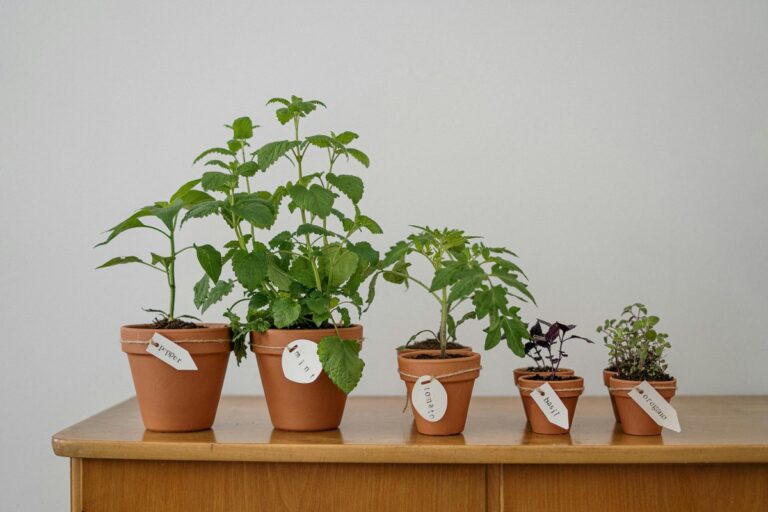
As someone who spends a considerable amount of time nurturing my garden, the idea of stepping back felt a bit daunting. With a variety of plants—herbs, vegetables, and ornamental flowers—each requiring different levels of moisture, I decided to stop watering them entirely for seven days. My goal was not just to see what would happen but to better understand how my plants handle stress and drought conditions.
Before embarking on this experiment, I made sure to assess the health of my plants. Were they well-established? Were they showing any signs of stress prior to the water hiatus? I also mulched the soil around my plants to help retain moisture, giving them a slight buffer against the impending drought.
Day 1: The Calm Before the Storm
On the first day, everything looked normal. The weather was mild, and my plants appeared to be thriving. I was curious yet a bit skeptical about how they would fare without water. I made a mental note of their condition—vibrant colors, firm leaves, and healthy growth.
Days 2-3: Subtle Changes
By the second and third days, I began to notice subtle changes. The leaves of some plants, particularly the more delicate ones like my petunias, showed the first signs of drooping. However, the hardier plants, like my zucchini and tomatoes, seemed to be holding up well. This reinforced a vital lesson: different plants have different thresholds for water stress.
Days 4-5: The Struggle Intensifies
As the week progressed, the weather turned warmer, and my plants started to show more significant signs of distress. The leaves of my petunias had curled, and the color was starting to fade. Meanwhile, my basil and thyme were still looking relatively healthy. This contrast highlighted the importance of selecting the right plants for your climate and understanding their water needs.
Interestingly, I learned that the plants that were more drought-tolerant were thriving. They had developed deeper root systems that allowed them to access moisture further down in the soil. This observation made me think about how important it is to choose plants suited to your local environment, especially for gardeners in drier regions or those with limited access to water.
Day 6: The Turning Point
On day six, I decided to take a closer look at the soil. Surprisingly, while the surface was dry, about an inch below, the soil was still somewhat moist. This revelation was enlightening; it demonstrated the importance of understanding soil moisture levels rather than just relying on surface appearances.
I also discovered that the mulch I had applied at the beginning of the experiment played a significant role in retaining that moisture. This small step in my gardening routine had a big impact, proving that mulch is an essential tool in a gardener’s arsenal.
Day 7: Assessing the Damage
By the end of the week, I was eager to see how my plants had fared. My initial concerns about losing them completely were alleviated when I noticed that while some had suffered, others had come through surprisingly well. My zucchini plants were still standing tall, with only minor leaf curling. However, the petunias looked quite sad, and I knew they would need some extra love to recuperate.
This experiment underscored the importance of fostering resilience in our plants. When we water consistently and provide proper care, we can help them develop stronger root systems that can withstand periods of drought.
Lessons Learned and Best Practices
1. Know Your Plants: Understanding the specific water needs of your plants is crucial. Research which plants are more drought-resistant and incorporate them into your garden, especially if you live in hotter climates.
2. Use Mulch Wisely: Mulching not only retains moisture but also helps regulate soil temperature and suppress weeds. Make it a standard practice in your garden.
3. Monitor Soil Moisture: Instead of relying solely on the appearance of your plants, check the moisture level in the soil. A simple finger test can be effective: stick your finger into the soil up to your knuckle; if it’s dry at that depth, it’s time to water.
4. Avoid Overwatering: While it may seem counterintuitive, overwatering is just as harmful as underwatering. Be mindful of your watering schedule and adjust it based on weather conditions.
5. Embrace Droughts: If you do experience a week of minimal watering, don’t panic! Assess your plants’ conditions and use it as a learning experience.
By taking a week off from watering, I gained valuable insights into the resilience of my garden. While I wouldn’t recommend abandoning your plants entirely, this experience has taught me how to cultivate a more sustainable and resilient garden. So, the next time you face a week of hot weather or forget to water, remember that your plants might just surprise you with their strength and adaptability!