What to Do When Your Houseplants Hit a Growth Stalemate: Key Signs and Solutions
When you take the time and effort to nurture your houseplants, it can be disheartening when growth suddenly stalls. Whether you’re a novice or a more experienced gardener, understanding the underlying reasons for this phenomenon can make a significant difference. Let’s delve into the potential causes of halted growth and what you can do to revive your greenery.
Understanding Plant Growth Patterns
Houseplants, much like their outdoor counterparts, go through various growth stages influenced by environmental conditions. Growth can slow down for several reasons, including changes in the season, nutrient deficiencies, improper watering, or pest problems. Knowing how to interpret these signs can help you take action to restore your plant’s vitality.
Seasonal Changes
Most houseplants experience natural growth cycles that align with seasonal changes. During the spring and summer months, many plants enter a growth phase, driven by increased sunlight and warmer temperatures. Conversely, as fall approaches and winter arrives, many plants enter a dormancy period, reducing their growth rate significantly.
If your plant has stopped growing as days shorten and temperatures drop, it might simply be responding to seasonal changes. During this time, you should adjust your care routine accordingly. Reduce watering frequency, as plants generally need less moisture in their dormant state, and be cautious about fertilizing, as nutrients can build up in the soil when plants are not actively growing.
Lighting Conditions
Light is one of the most critical factors affecting plant growth. If your houseplants are not receiving adequate light, they may exhibit stunted growth. This is particularly true for sun-loving species like succulents, cacti, and many flowering plants. On the other hand, shade-tolerant plants can suffer if they receive too much direct sunlight.
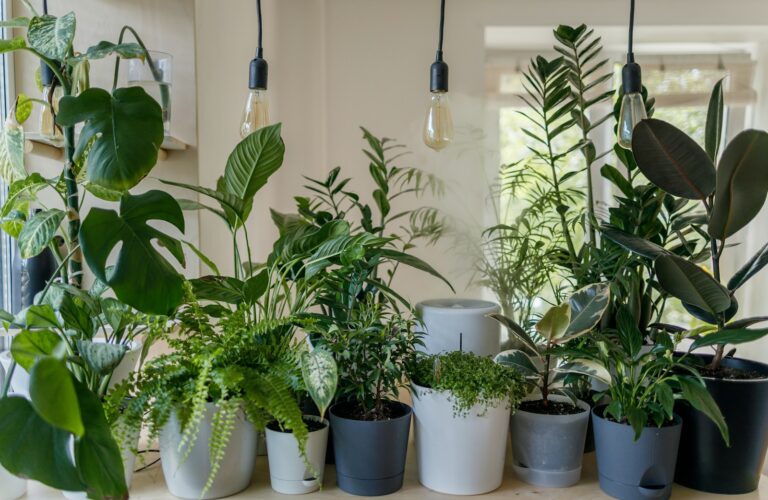
To troubleshoot lighting issues, evaluate your plant’s location. If it’s not thriving, consider relocating it closer to a window or supplementing with grow lights. For plants that prefer indirect light, sheer curtains can help diffuse harsh sunlight while still providing brightness.
Watering Habits
Overwatering and underwatering are two of the most common mistakes made by houseplant owners. Both can lead to stagnant growth. Signs of overwatering include yellowing leaves and a mushy stem, while underwatered plants may have crispy, brown leaf edges or drooping foliage.
To determine the right watering schedule for your plants, check the soil moisture level. A good rule of thumb is to wait until the top inch of soil feels dry before watering again. You can also use pots with drainage holes to prevent water from pooling at the bottom, which can lead to root rot.
Nutrient Deficiencies
Plants require a variety of nutrients to thrive, including nitrogen, phosphorus, and potassium. A sudden halt in growth could indicate that your plant is lacking essential nutrients. This often manifests as yellowing leaves, poor leaf development, or stunted growth.
To combat nutrient deficiencies, consider incorporating a balanced, water-soluble fertilizer into your routine. Follow the manufacturer’s instructions carefully, as over-fertilizing can be just as harmful as under-fertilizing. For indoor plants, feeding once a month during the growing season is typically sufficient.
Pest Problems
Pests like aphids, spider mites, and mealybugs can wreak havoc on your houseplants, often leading to stunted growth. These tiny invaders may be hard to spot initially, but telltale signs include sticky residue on leaves, visible insects, or webbing.
If you suspect a pest problem, act quickly to address it. You can often remove pests by rinsing your plant gently with water, or applying insecticidal soap or neem oil. Be sure to treat the entire plant, including the undersides of leaves, to ensure you eliminate the pests effectively.
Root Bound Issues
Plants can become root-bound when they outgrow their containers, leading to stunted growth due to restricted root systems. If you notice roots growing out of the drainage holes or the plant seems to be struggling despite adequate care, it may be time to repot.
Choose a pot that is one size larger than the current one, and use fresh potting soil to provide your plant with the nutrients it needs. Gently loosen the root ball before placing it in the new pot, and water thoroughly after repotting to help settle the soil.
Environmental Stress
Sometimes, environmental factors can stress your plants and impede their growth. These can include sudden temperature changes, high humidity levels, or drafts from windows and doors. Most houseplants thrive in temperatures between 65°F and 75°F (18°C to 24°C) and prefer humidity levels around 40-60%.
To minimize environmental stress, keep your plants away from cold drafts, heating vents, or air conditioning units. If your home is particularly dry, especially during winter, consider using a humidifier or placing a tray of water near your plants to increase humidity levels.
Signs of Root Rot
If your houseplant has suddenly stopped growing and exhibits signs of wilting or yellowing leaves, it could be suffering from root rot, a condition caused by overwatering or poorly draining soil. Root rot can be a serious issue, and if detected early, you may be able to save your plant.
To diagnose root rot, carefully remove the plant from its pot and inspect the roots. Healthy roots should be firm and white, while rotting roots will appear brown and mushy. If you find rot, trim away the affected roots, repot the plant in fresh soil, and adjust your watering habits to avoid recurrence.
Final Thoughts
If your houseplants suddenly stop growing, take a moment to assess their environment and care routine. By understanding the signs and symptoms of common issues, you can take proactive steps to help your plants thrive once again. Remember to be patient, as it may take some time for your houseplants to bounce back. With attentive care and the right adjustments, you’ll soon see fresh growth and renewed vitality in your indoor garden.