What Your Houseplants Wish You’d Stop Doing
Ever notice your houseplants looking a little less lively, even though you’re doing your best to care for them? Sometimes, it’s the small habits we don’t think about that secretly make life harder for our leafy friends.
Houseplants might not talk, but they definitely have opinions about their care. Understanding what bothers them can help you keep your indoor jungle looking its best.
Overwatering during fall and winter dormancy
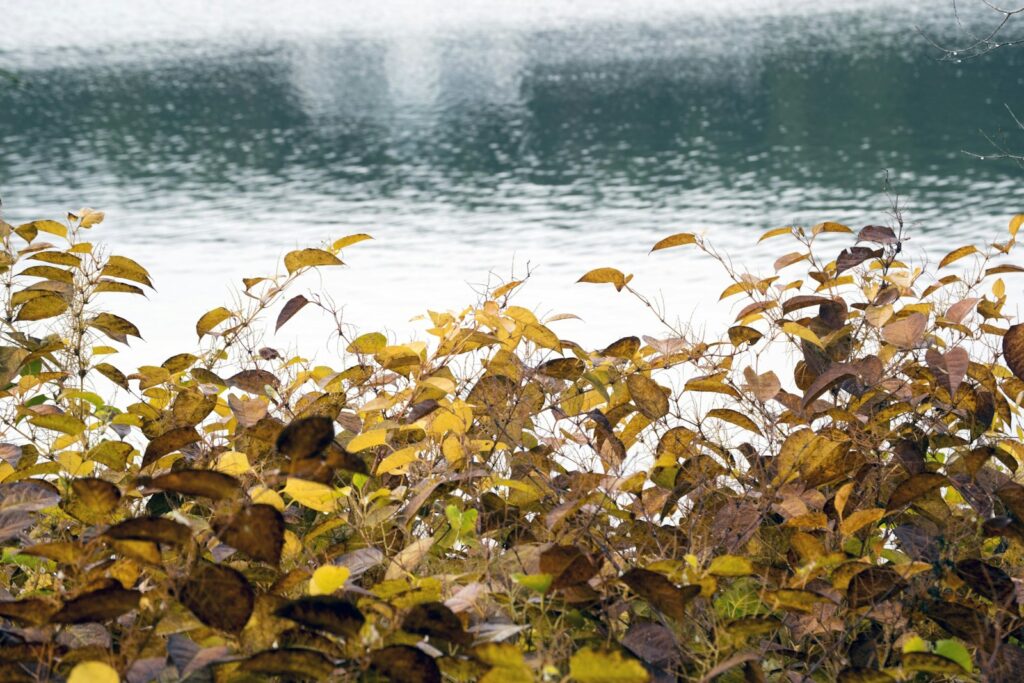
When the days get shorter and colder, most houseplants slow down their growth. They use less water, so continuing your summer watering routine can overwhelm their roots.
Letting the soil dry out between waterings gives their roots a chance to breathe. Soggy soil makes it easy for root rot to set in, which is tough for plants to recover from.
Each plant is different, but most need less water in the cooler months. Check the top of the soil before watering—if it feels dry, go ahead and water. If it’s still moist, wait a few more days.
Ignoring proper drainage in pots
It’s tempting to use any cute pot you find, but drainage is a must. Without holes at the bottom, extra water has nowhere to go and roots end up sitting in wet soil.
Roots that stay wet for too long can start to rot, which quickly weakens the whole plant. Over time, you might notice yellow leaves or mushy stems as a sign your plant is struggling.
Pots with drainage holes let water escape easily, and adding materials like perlite or pumice to the soil mix helps too. If you see warning signs, fixing drainage issues can often bring your plant back to life.
Placing plants in direct, harsh sunlight
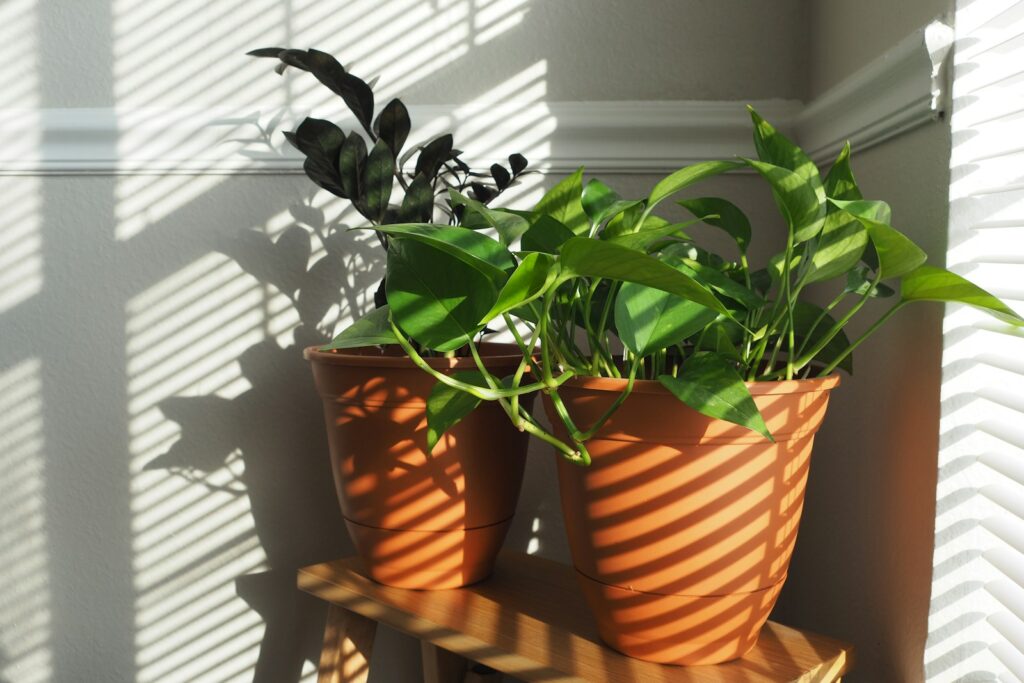
It’s easy to assume all plants want as much sun as possible, but direct, intense sunlight can scorch leaves. You might see brown patches or crispy edges if your plant is getting too much light.
Many houseplants prefer bright, indirect sunlight instead. If your plant’s leaves start to fade or curl, try moving it away from the window to a spot with gentler light.
Some plants, like succulents and cacti, do enjoy direct sun but need time to adjust to brighter spots. Watch your plants for changes and shift them as needed to keep them comfortable.
Neglecting to dust leaves regularly
Dust builds up quickly on houseplant leaves, especially if you have pets or open windows often. When dust covers leaves, it blocks sunlight and slows down growth.
Dirty leaves can also attract pests like mites or aphids, which hide in the dust and cause more problems. Wiping leaves gently with a soft cloth or using a microfiber duster keeps them clean.
Regular dusting helps your plants look their best and makes it easier for them to soak up light. Plus, it’s a quick way to check for early signs of pests.
Using the wrong pot size for the plant
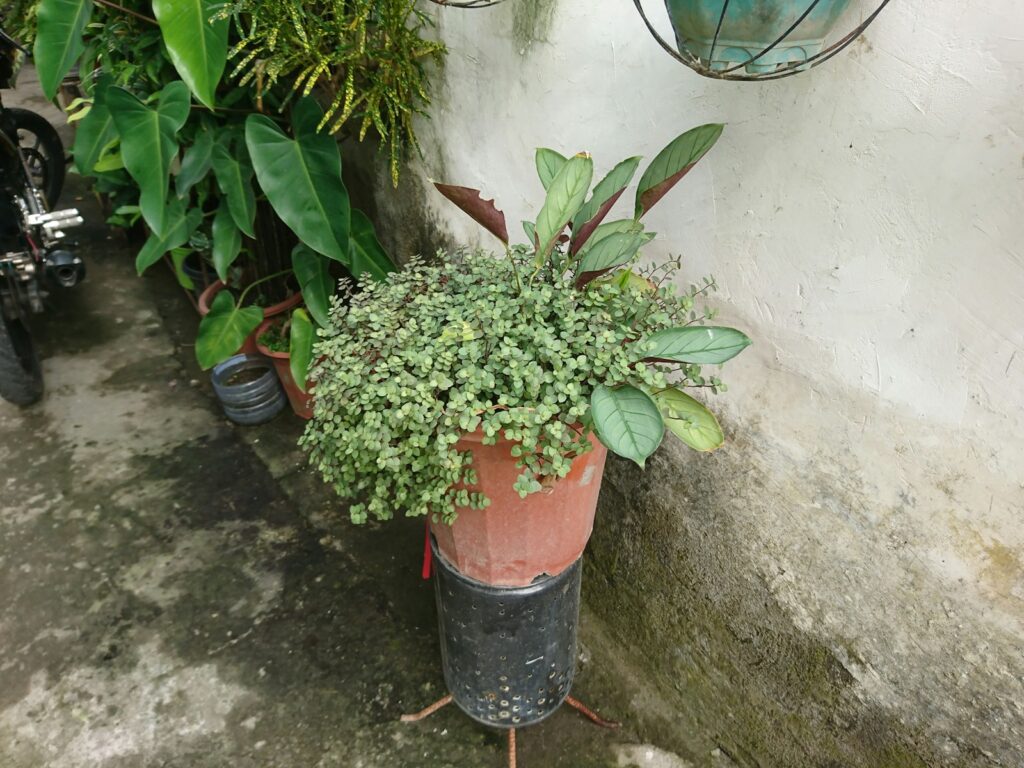
A pot that’s too big holds too much water, which can cause roots to rot. On the flip side, a pot that’s too small crowds the roots and stops the plant from growing.
Choosing the right size pot gives roots room to spread and helps the soil drain properly. When your plant has space to grow, you’ll notice healthier leaves and more vibrant growth.
If you see roots circling the inside of the pot or poking out of drainage holes, it’s probably time to size up. A well-fitted pot really does make a difference.
Forgetting to adjust watering frequency seasonally
Plants don’t need the same amount of water all year. When days are shorter and cooler, they use less water and the soil stays moist longer.
In the warmer months, plants grow faster and need more water to keep up. If you forget to change your watering routine with the seasons, you might end up with droopy or yellowing leaves.
Pay attention to how quickly the soil dries out and adjust your watering schedule. Small changes can help your plants stay healthy throughout the year.
Repotting too late or not at all
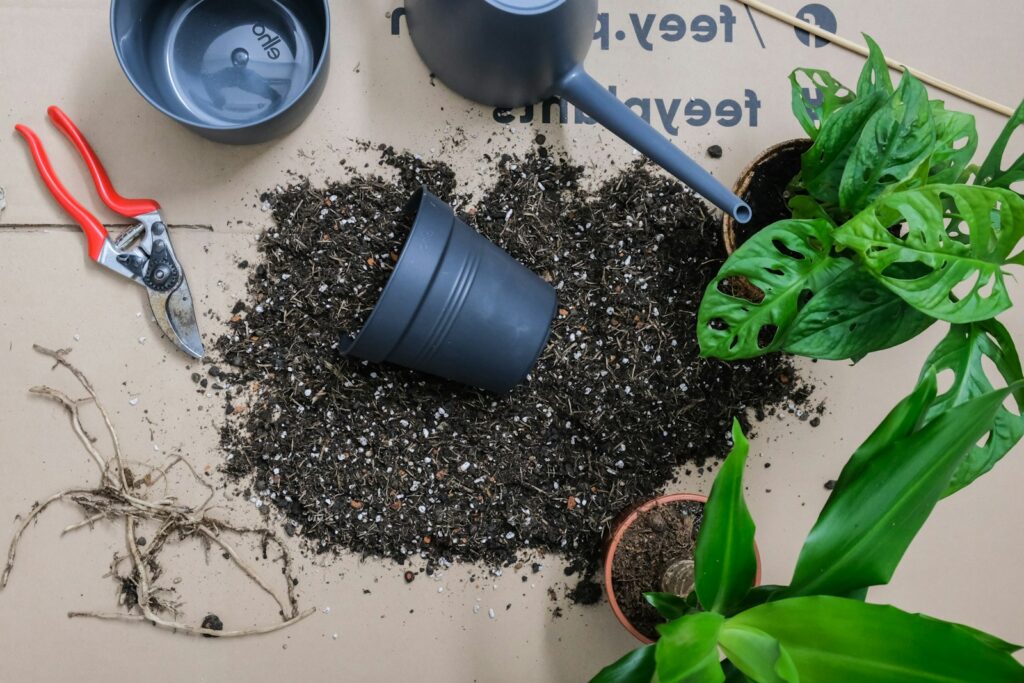
Plants need fresh soil and more space as they grow. If you leave them in the same pot for too long, the roots get crowded and can’t absorb water or nutrients.
Old soil loses nutrients and can become compacted, making it hard for roots to breathe. Signs your plant needs repotting include roots growing out of the pot or the plant drying out quickly after watering.
Giving your plant a new pot with fresh soil can make a huge difference in its health and growth. Don’t forget to loosen the roots a bit and trim any that look unhealthy.
Leaving plants in drafty or cold areas
Cold drafts can shock houseplants, especially during winter. If you notice leaves turning yellow or dropping, your plant might be too close to a chilly window or door.
Try moving plants away from drafty spots and keep them in areas where the temperature stays steady. Grouping plants together also helps them stay warmer and more humid.
Simple changes like using draft stoppers or heavier curtains can make your plants much happier during cold months.
Using water with high chlorine levels
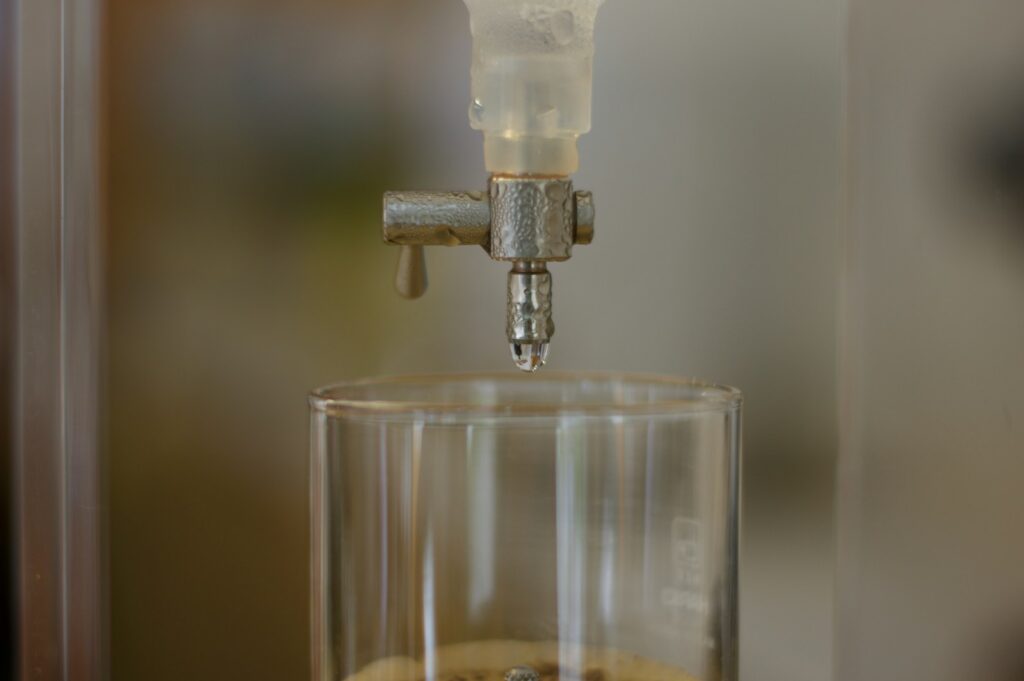
Tap water often contains chlorine, which can build up in the soil and harm your plants over time. Too much chlorine may cause leaf tips to turn brown or slow down growth.
Letting tap water sit out for a day before using it helps chlorine evaporate. You can also use filtered or rainwater for more sensitive plants.
These small steps help your plants take in nutrients more easily and keep their leaves looking fresh.
Over-fertilizing your green friends
It’s easy to think more fertilizer means faster growth, but too much can burn roots and cause leaf tips to turn brown or yellow. You might even see a white crust on the soil from built-up salts.
If you think you’ve overdone it, water your plant deeply to flush out extra fertilizer. Hold off on feeding for a while and only fertilize during active growing periods.
Finding the right balance helps your plants grow strong without stress.
Understanding Houseplant Needs
Houseplants rely on you for everything—light, water, and nutrients. Knowing what makes them happy helps you spot problems before they get serious.
The Science Behind Plant Health
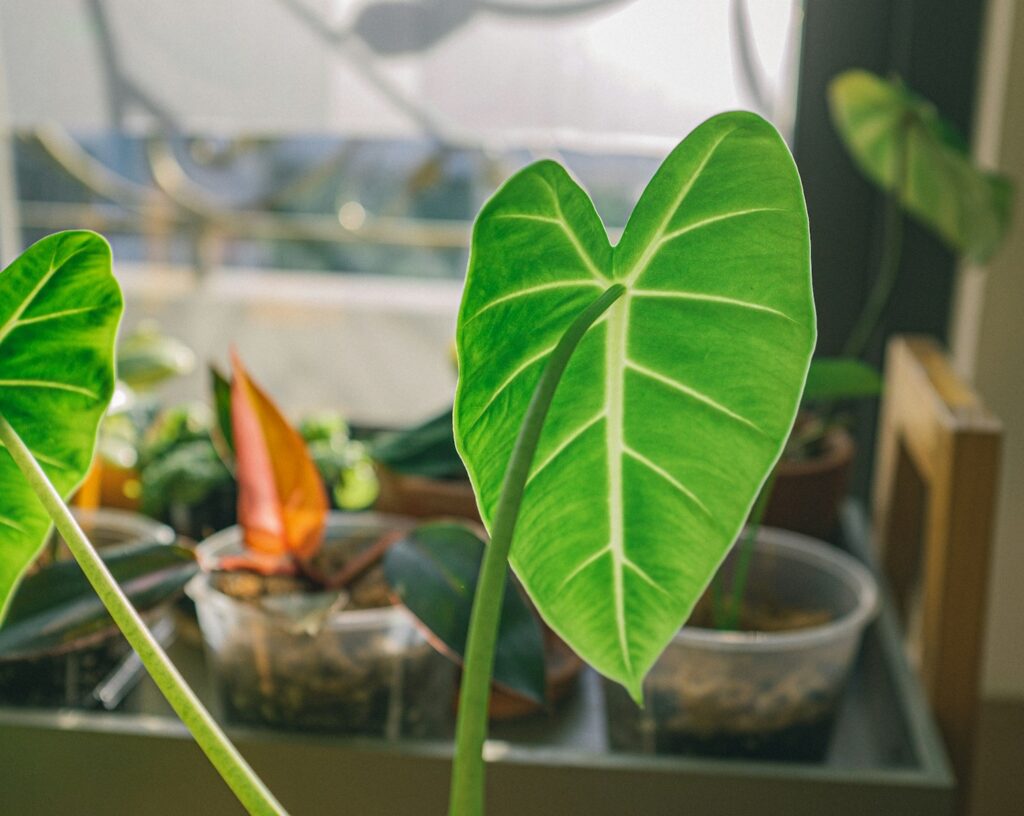
Plants use sunlight, water, and nutrients to make food through photosynthesis. Sunlight helps leaves create energy, while water and nutrients travel from the soil to every part of the plant.
Balancing these elements is key. Some plants love bright sun, others prefer shade. Well-draining soil and the right container keep roots healthy. Learning what your specific plant likes makes all the difference.
Recognizing Signs of Stress
Plants show when something’s wrong, even if they can’t talk. Yellow leaves might mean overwatering or missing nutrients. Brown tips could be from dry air or underwatering.
Slow growth or weak stems are other clues. If the soil stays soggy, water less. If it dries out too fast, add humidity or water more often.
Catching these signs early helps you fix issues before they get worse.
Building a Better Relationship With Your Plants
A little extra attention goes a long way in keeping your houseplants happy. Adjusting their environment and care makes all the difference in how they grow.
Creating an Ideal Environment

Give your plants the kind of light they like, whether it’s bright indirect or a shadier corner. Check the soil before watering and let it dry out a bit between drinks.
If your home is dry, especially in winter, try a humidifier or set a tray of water nearby. Keep plants away from drafts and heaters, since sudden temperature changes can stress them.
Making small tweaks based on your plant’s needs helps them thrive and look their best.
Communicating With Your Greenery
Ever found yourself chatting with your houseplants while watering them? It might feel a little odd at first, but many people swear by it.
Your voice can actually encourage growth and help your plants adapt to their surroundings. Try speaking softly to your plants as you tend to them.
Take a close look at your plants every day. Notice changes in their leaves, whether it’s movement, color, or texture.
These small signals let you know how your plant is feeling. By paying attention, you can catch issues early and adjust your care routine.
Spending time with your plants can help you form a real connection. It makes the whole experience more enjoyable and can keep your greenery looking its best.