Acton Gardeners Are Being Told to Wait Until the Ground Freezes a Quarter Inch Deep Before Mulching Roses, and to Water Trees on an Odd-Even Schedule Until Then
In Acton, Massachusetts, the November garden checklist comes with a timing rule and a watering calendar. The Acton Garden Club says roses and perennials should not get their winter mulch until the ground is frozen at least a quarter inch deep, and that trees and shrubs should keep getting water until then. Because the town’s water district is under level 3 restrictions, that watering has to follow an odd-even schedule by house number.
Water by House Number Until the Freeze
The club’s November column, written by Master Gardener Judy Dembsey, who chairs environmental education for the club, and Ann Marie Testarmata, its public relations chair, puts watering first. “Continue to water trees and shrubs until the ground freezes,” the Acton Exchange column says.
With the Acton Water District at level 3 restrictions, hand watering runs on alternating days. Even-numbered homes water on Tuesday, Thursday and Saturday. Odd-numbered homes water on Wednesday, Friday and Sunday.
The same idea shows up far from New England. In Prescott, Arizona, Watters Garden Center’s Ken Lain advises a deep soak for trees and shrubs about every two weeks all winter, especially for trees planted this year, according to his November column in Signals AZ.
Why Mulch Waits for Frozen Ground
The quarter-inch rule is about timing. For roses and perennials, the club says to wait until the soil is frozen at least that deep, then add a 3- to 4-inch layer of mulch such as pine needles, straw or shredded oak leaves. It warns against field hay, which can carry seeds into the beds.
Trees and shrubs follow a similar rule. Once the ground freezes, the club recommends 2 to 3 inches of organic mulch, such as chopped leaves, spread around them and kept a few inches away from stems and trunks.
Keeping mulch off the trunk is a point other checklists make too. An AgriNews late-fall guide says pulling mulch a few inches back from tree trunks discourages rodents. It also says mounding soil and mulch over rose graft unions should wait until after several killing frosts, which fits the same wait-for-the-cold logic.
Evergreens, Deer and Plants Still in Pots
Broadleaf evergreens get their own attention in the Acton column. Late in the month, the club suggests applying an anti-desiccant to vulnerable broadleaf evergreens.
Winter deer browsing on evergreen shrubs is the column’s next concern. The club recommends deer repellent on yew, holly and rhododendron to discourage winter browsing.
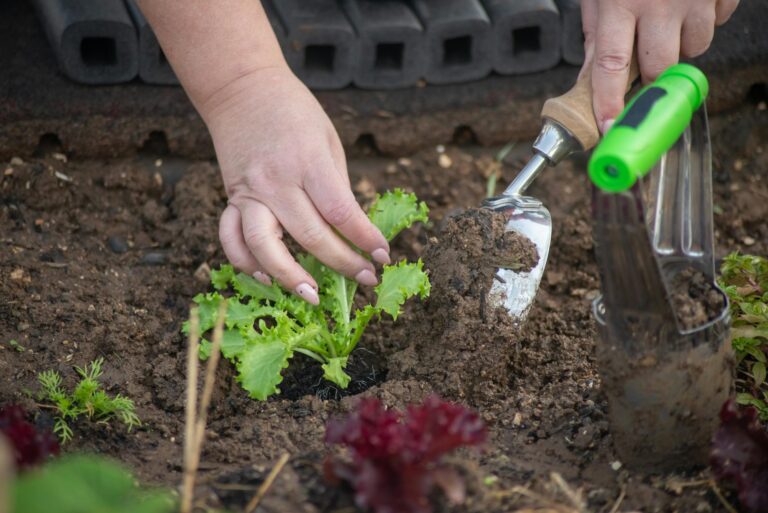
Plants that never made it into the ground this year can still be saved. The club suggests “heeling in,” which means temporarily burying their roots in a trench and covering them with chopped leaves or bark mulch until spring planting.
AgriNews adds a few more cold-weather steps for the yard: quarter-inch metal hardware cloth to keep rabbits and rodents away from young trunks, and wrapping thin-barked trees like maples and many fruit trees, or painting their south- and southwest-facing sides with white latex paint, with the wraps removed by early spring.
Container plants headed indoors need a check first. Texas horticulturist Neil Sperry recommends inspecting patio pots and hanging baskets for spider mites, scale and mealybugs and treating them while the plants are still outside, before the pests ride into the house.
Lain’s frost list travels well too. Frost cloth or an old blanket over tender young plants on the coldest nights, pulled off again each morning, is his first line of defense, and tropicals should move inside without waiting. Tools, he says, deserve a cleaning, sanding and oiling before they go into storage.
A Last Lawn Feeding
Lawns are on the list too. The Acton club says to fertilize in early November if it did not happen in September, and to use a phosphate-free fertilizer unless a soil test shows a phosphate deficiency.
The AgriNews guide puts a number on it for the Midwest: half a pound to a pound of actual nitrogen per 1,000 square feet of lawn in November.
Sperry, in Texas, is telling gardeners to feed ryegrass and fescue with an all-nitrogen lawn food during their most active growth, and to finish cleaning up perennial beds before applying about an inch of mulch to cut down on weed germination, his Nov. 12 column says.
Before the Ice Arrives
Mulch and water are not the only pre-winter jobs. In Maine, arborist representative Will Buckley of Bartlett Tree Experts told WGME that calls ramp up this time of year as homeowners try to get weak limbs inspected before ice, snow and shifting winds arrive.
For Acton gardeners, the order is clear: keep the hose going on the assigned days, watch for the first hard freeze, and hold the rose mulch until the ground is frozen a quarter inch down. Evergreens, deer-prone shrubs and the lawn each get one more task before the season closes.
This article was produced with AI assistance and edited for accuracy against the sources linked above.
Image: PumpkinSky – CC BY-SA 4.0/Wikimedia Commons