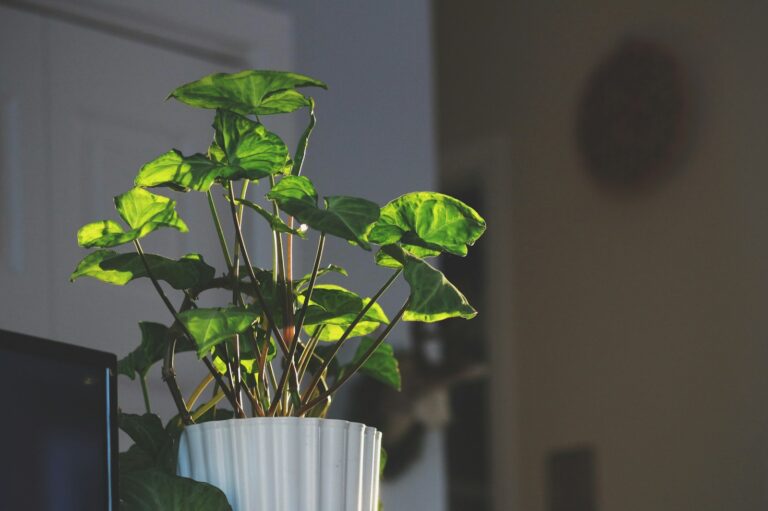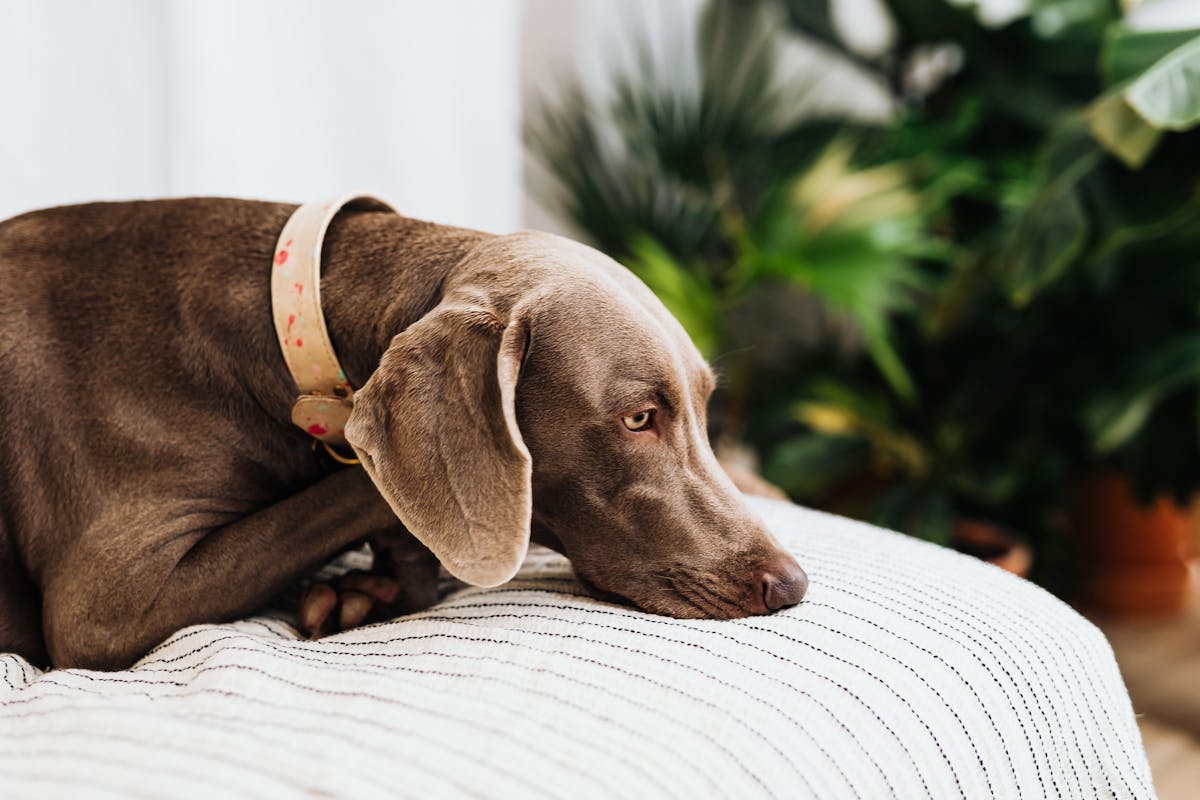
When Your Furry Friend Becomes a Gardener: Tips for Preventing Indoor Plant Disasters
Indoor gardening can be a rewarding hobby, providing not only a touch of greenery to your living space but also improving air quality and boosting your mood. However, as many pet owners can attest, bringing plants into a home with curious animals can sometimes lead to unexpected chaos. A recent viral video showcased just how mischievous our furry friends can be when one dog decided to dig up a houseplant, leaving its owner in shock. This incident serves as a reminder for pet owners to take proactive steps to protect their plants while ensuring their pets remain safe.
Understanding the Curiosity of Pets
Dogs and cats are naturally curious creatures, often drawn to the sights, smells, and textures of houseplants. Soil, in particular, can be especially enticing for a dog digging for buried treasures or simply trying to explore their environment. Pets may also be attracted to the movement of leaves or the interesting scents emitted by certain plants. Understanding this behavior is the first step in safeguarding your indoor garden.
Preventing Plant-Related Mischief
To keep your plants safe from inquisitive paws, consider implementing the following strategies:
1. Choose Pet-Friendly Plants: Before adding new plants to your collection, research their safety for pets. Some common houseplants, like spider plants and Boston ferns, are generally safe, while others, such as lilies and philodendrons, can be toxic to cats and dogs. Opting for non-toxic varieties can help reduce the risk of accidental ingestion.
2. Use Barriers: When introducing new plants into your home, consider using decorative rocks or gravel on top of the soil. This not only adds an aesthetic touch but can also deter pets from digging. Additionally, placing plants in areas that are difficult for pets to access, such as high shelves or hanging planters, can help keep them out of reach.
3. Training and Redirection: Training your pet to understand which areas are off-limits can be beneficial. Use positive reinforcement to reward your pet for good behavior around plants. If you catch them showing interest in a plant, redirect their attention to a toy or treat. Consistency is key; over time, your pet will learn which behaviors are acceptable.
4. Create a Designated Space: If possible, set up a designated area in your home for your plants that is separate from your pet’s play area. This can be a sunroom or a corner of the living room that is gated off. By creating boundaries, you can help protect your plants while still allowing your pet to roam freely.
5. Use Repellents: There are various pet-safe repellents available that can deter pets from approaching plants. These products often have scents that are unappealing to animals but are safe for use around plants. Additionally, you can try natural deterrents like citrus peels, as many pets dislike the smell of citrus.
The Importance of Supervision
Even with these preventive measures in place, supervision remains crucial. Keeping an eye on your pets when they’re near your plants can help you catch any potential mischief before it escalates. This is particularly important during the initial introduction of new plants, as pets may be more curious during this time.
When Accidents Happen
In the unfortunate event that your pet does dig up a plant, it’s important to act quickly. Here are a few steps to follow:
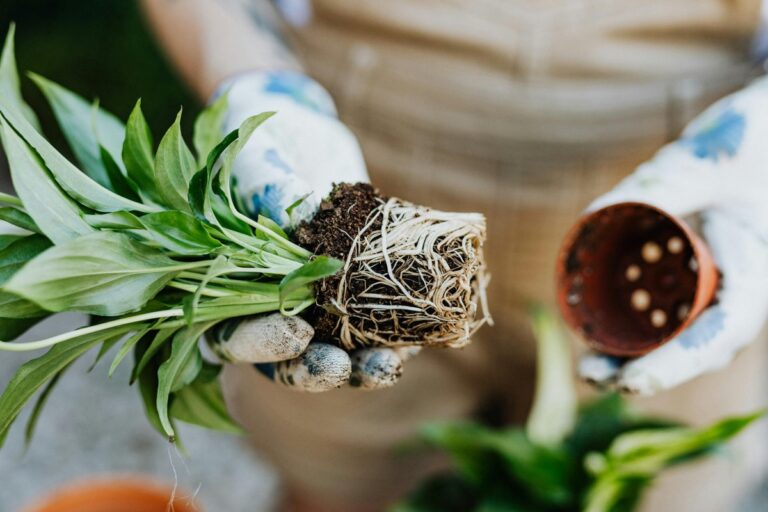
1. Replant Immediately: If the plant has been uprooted, gently replant it in fresh soil. Be sure to check the roots for any damage; if they are broken, trim them back and replant the healthy part.
2. Assess the Damage: Sometimes, a plant can survive a little digging. Check the leaves and stems for signs of stress, and if necessary, prune any damaged foliage to encourage new growth.
3. Monitor Your Pet: If your pet has ingested any part of a plant, monitor them for any signs of distress. Contact your veterinarian if you notice any unusual behavior or symptoms.
4. Learn and Adapt: Take note of which plants attract your pet’s attention the most and consider removing them or placing them in a more secure location. Adjusting your plant collection can lead to a happier home for both you and your pets.
Finding Balance in Your Indoor Garden
Creating a thriving indoor garden while sharing your space with pets may involve some extra effort, but it can be done! By selecting pet-friendly plants, utilizing barriers, and training your pets, you can cultivate a beautiful indoor environment that coexists harmoniously with your furry friends. Remember, gardening is about enjoying the process, so embrace the occasional chaos that comes with having pets – after all, they’re part of the family too!