Why Cardboard is Your New Best Friend in the Garden
Using cardboard in the garden may sound unconventional, but this simple material has emerged as a powerhouse resource for home gardeners. From suppressing weeds to enhancing soil health, cardboard is gaining traction as an eco-friendly and effective gardening tool. Here’s how you can harness its benefits in your own backyard.
Weed Suppression
One of the most significant advantages of using cardboard in the garden is its ability to suppress weeds. Weeds are not just unsightly; they compete with your plants for nutrients, water, and sunlight. By laying down sheets of cardboard over the soil, you can create a barrier that blocks sunlight, effectively starving weeds of the light they need to grow.
How to Use Cardboard for Weed Control:
1. Gather Materials: Collect cardboard boxes or sheets. Remove any tape, labels, or plastic to ensure that only paper products are used.
2. Prepare the Area: Clear the area of existing weeds and debris. If necessary, lightly till the soil to help the cardboard settle better.
3. Lay Down Cardboard: Place the cardboard directly on the soil, overlapping the edges to prevent any light from sneaking through.
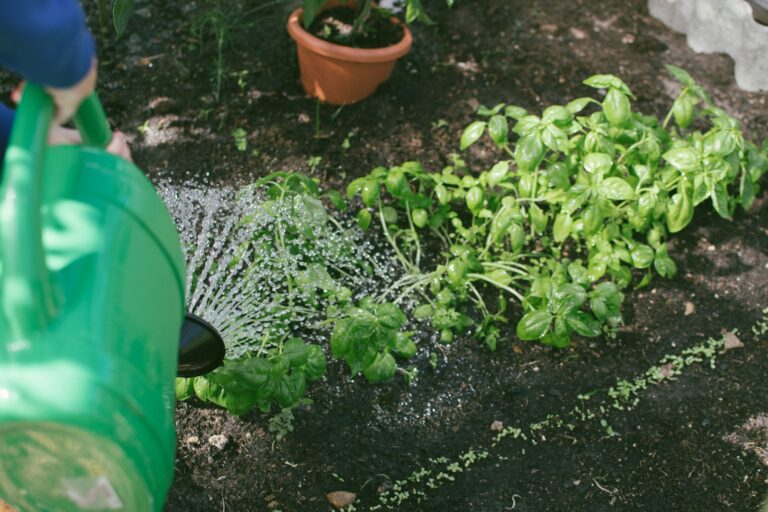
4. Moisten the Cardboard: Water the cardboard thoroughly to help it adhere to the soil and start the decomposition process.
5. Cover with Mulch: For added effectiveness, cover the cardboard with a layer of mulch. This not only helps to keep the cardboard in place but also adds nutrients to the soil as it breaks down.
Soil Improvement
As cardboard decomposes, it adds organic matter to the soil, improving its structure and fertility. This is particularly beneficial in sandy or clay-heavy soils, where the addition of organic materials can enhance water retention and drainage.
Steps to Improve Soil with Cardboard:
1. Layering: In a process called sheet mulching, you can layer cardboard with organic materials like compost, leaves, or grass clippings. This not only enriches the soil but also creates a habitat for beneficial organisms.
2. Time It Right: Ideally, start this process in the fall so that the cardboard can break down over winter. By spring, you’ll have a nutrient-rich base ready for planting.
3. Planting: If you’re eager to plant in the spring, make sure the cardboard has had enough time to decompose. You can cut holes in the cardboard to plant directly into the soil beneath.
Pest Deterrent
Cardboard can also serve as a deterrent for certain pests. For instance, slugs and snails often avoid crossing dry, rough surfaces. By placing cardboard around your plants, you can create a barrier that keeps these pests at bay.
How to Use Cardboard as a Pest Deterrent:
1. Create Barriers: Cut pieces of cardboard and place them around the base of your plants. This can be particularly effective for seedlings that are vulnerable to slug damage.
2. Maintain Moisture: Ensure that the cardboard stays slightly moist, as this will deter pests while still allowing beneficial organisms like earthworms to thrive.
Composting
If you’re already composting, adding cardboard can enhance your pile. Cardboard is high in carbon, which is essential for balanced composting. However, you should use it in moderation to prevent an overly carbon-rich compost that can slow down decomposition.
Tips for Composting with Cardboard:
1. Shred the Cardboard: Cutting or shredding the cardboard into smaller pieces will speed up the decomposition process.
2. Balance the Ratio: Aim for a balanced mix of greens (nitrogen-rich materials like kitchen scraps) and browns (carbon-rich materials like cardboard). A good rule of thumb is to maintain a ratio of approximately 2:1, browns to greens.
3. Monitor Moisture: Ensure your compost pile remains moist but not soggy. The cardboard will help absorb excess moisture, but it’s essential to maintain the right balance for effective composting.
Sustainable Gardening Practice
Using cardboard in your garden is not just a practical solution; it also aligns with sustainable gardening practices. By repurposing a material that would otherwise end up in a landfill, you contribute to waste reduction and promote environmental health.
Best Practices for Sustainable Use:
1. Source Local Boxes: Whenever possible, source cardboard from local retailers or friends to minimize your environmental footprint.
2. Limit Chemicals: Ensure that the cardboard you use is free from harmful chemicals or coatings that could leach into the soil.
3. Monitor for Pests: While cardboard can help deter some pests, keep an eye out for any unwanted visitors. Regularly inspect your plants and the surrounding area.
Common Mistakes to Avoid
While using cardboard in the garden is straightforward, there are some common pitfalls to watch out for:
Ignoring Moisture: Cardboard needs to be moistened to break down effectively. Dry cardboard can become a barrier that hinders plant growth.
Using Too Much: A thick layer of cardboard can block air and water from reaching the soil. Aim for a single layer or a maximum of two to ensure proper aeration.
Not Planning Ahead: If you’re using cardboard for weed suppression, plan ahead for when you want to plant, as the decomposition process takes time.
By incorporating cardboard into your gardening practices, you can enjoy a healthier, more productive garden while contributing to a more sustainable world. So, the next time you have a cardboard box, consider putting it to good use in your outdoor space!