Why Early Spring Isn’t Always the Best Time to Plant – Surprising Tips for Garden Success
As soon as the first hints of spring appear, it’s easy to get swept up in the excitement of gardening. After months of winter, you might be itching to get your hands in the dirt and start planting.
But jumping in too soon can sometimes backfire on even the most eager gardeners.
Early spring isn’t always the best time to plant because the weather and soil may not be ready to support new growth. Knowing when to plant can help you avoid common pitfalls and set your garden up for success.
Risk of late frost damage to young plants
Planting right after the first warm days can leave your young plants vulnerable to late frost. Even if afternoons feel pleasant, nighttime temperatures can still dip below freezing.
Frost can create ice crystals on leaves and stems, damaging plant cells. The next morning, you might notice wilted or blackened leaves.
If your plants start blooming too soon, a sudden cold snap can destroy buds and flowers. This means you could end up with fewer vegetables or flowers later on.
Keep an eye on weather forecasts. Covering young plants with frost cloths or mulch can help protect them during chilly nights.
Soil may still be too cold for root growth
The soil might not be as ready as you are. Roots need warmth to start growing and absorbing water and nutrients.
Cold soil can slow root growth or cause seeds to rot before they sprout. Wet, chilly soil makes it tough for young plants to get established.
A soil thermometer can help you decide if it’s time to plant. If the temperature stays low for several days, it’s better to wait.
Soil temperature matters just as much as air temperature. Even with sunny days, the ground might still be too cool for healthy root development.
Plants have less time to establish before summer heat
If you plant too late in spring, your plants may not have enough time to settle in before summer heat arrives. Strong roots are key for soaking up water and nutrients.
Without well-established roots, plants can dry out faster or stop growing well when hot weather hits. Summer heat can quickly stress plants that haven’t had time to adapt.
Certain vegetables may taste bitter or flowers might not bloom as brightly if exposed to heat before they’re ready. Giving your plants enough time to build strong roots before summer makes a noticeable difference.
Early spring planting can lead to waterlogged soil
Spring often brings lots of rain and melting snow, leaving the soil soggy. Planting in wet soil can make it hard for roots to grow strong.
Waterlogged soil means roots don’t get enough oxygen. Without air, roots can start to rot and plants may struggle to survive.
Important nutrients can wash away in overly wet conditions. This can leave your garden weak before it even gets started.
Waiting for the soil to dry out a bit helps you avoid these problems. Dry, crumbly soil is much better for planting and root health.
Higher chance of soil being frozen or overly wet
Sometimes, the soil is still frozen beneath the surface in early spring. Frozen soil slows down seed germination and root growth.
Early spring rain and melting snow can leave the soil soggy and hard to work with. Walking on wet soil can compact it, which hurts plant roots.
Compacted or waterlogged soil limits the air that roots need. Without enough oxygen, seedlings may fail to develop.
Waiting until the soil dries out and thaws completely gives your plants a better environment to start growing.
New roots can struggle without stable temperatures
Spring weather can be unpredictable. One day is warm, the next is chilly.
Young roots need steady warmth to grow well. If the soil keeps cooling off, root function slows down and plants can’t absorb water and nutrients as easily.
Cold soil can even damage delicate roots. If roots get hurt, it takes longer for plants to recover and start growing again.
Waiting for more stable temperatures helps new roots develop. This gives your plants a better shot at thriving once spring settles in.
Spring weather often unpredictably fluctuates
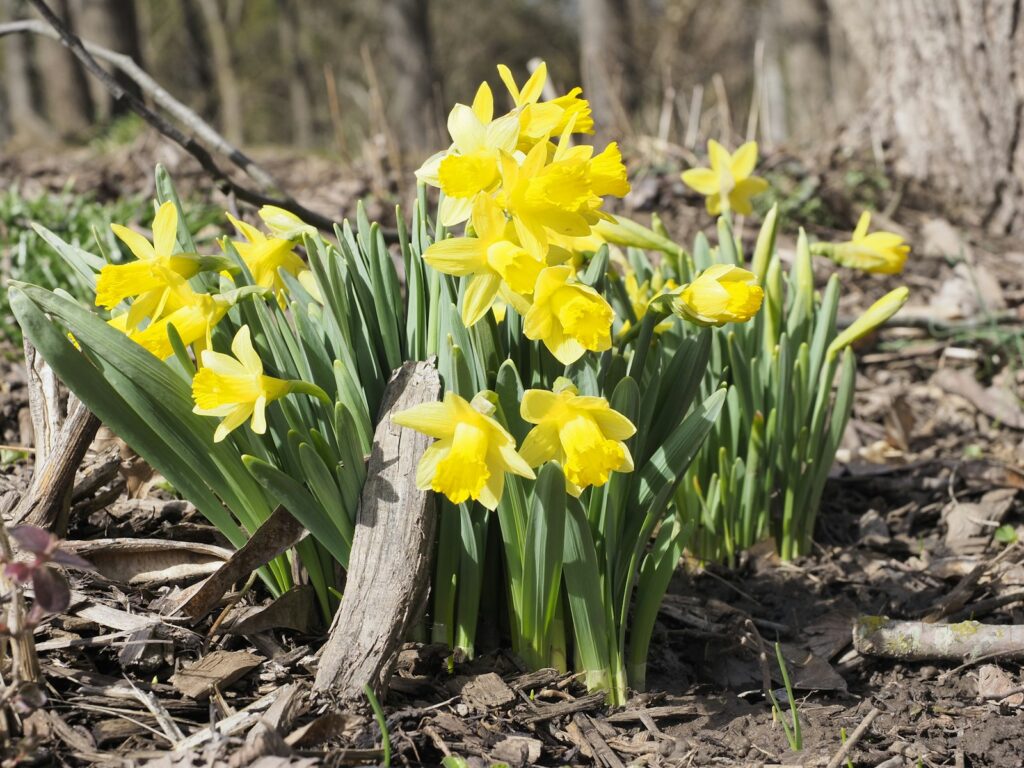
Spring weather is a roller coaster. Warm and sunny days can be followed by sudden cold snaps or storms.
These quick changes can confuse plants that try to grow too early. Young plants are especially sensitive to swings in temperature.
Just because you get a streak of warm days doesn’t mean it’s safe to plant. Chilly nights or late frost can still surprise you.
It’s tempting to rush, but patience pays off. Waiting for steadier weather helps your garden avoid unnecessary setbacks.
Plants are more vulnerable to pests and diseases
Early spring brings out more than just new growth. Tender young plants are easy targets for pests like aphids or slugs.
Cool, wet weather is perfect for fungal infections. Diseases such as leaf spot or mold can quickly take hold on soft, new leaves and stems.
Young plants haven’t built up their natural defenses yet. This makes it harder for them to fight off infections and pests.
Giving your plants a little extra time before planting can help them grow stronger and more resistant to pests and diseases.
Fall planting allows better root development
Planting in the fall lets your plants focus on growing roots instead of leaves or flowers. Cooler weather above ground encourages roots to go deep and strong.
The soil is still warm enough for root growth, but the air is cooler, which means less stress on new plants. These strong roots help plants survive winter and spring back quickly when the weather warms.
Deep roots built in the fall make plants tougher during hot, dry summer months. Fall planting gives your garden a head start for the next season.
Cold snaps stunt plant growth and vitality
A sudden cold snap can freeze the water inside plant cells, damaging them and slowing growth. Roots also struggle to take in water and nutrients when the ground is cold.
Even if you don’t see damage right away, cold weather can slow down growth for weeks. Buds and flowers can be killed, meaning fewer seeds or fruit later on.
Waiting a bit longer to plant helps your garden avoid these setbacks. Your plants get to grow with full energy when the threat of frost has passed.
Understanding Plant Growth Phases
Getting your plants off to a strong start means knowing what controls their early growth. Two important factors are soil temperature and daylight.
Role of Soil Temperature
Soil temperature is a big trigger for seed germination. If it’s too cold, seeds might stay dormant and not sprout.
Most vegetable and flower seeds need soil temperatures between 50°F and 70°F to start growing. Cold soil slows root growth and nutrient uptake, making plants weaker.
Measuring soil temperature with a thermometer can help you pick the right time to plant. If the soil is below 50°F, it’s better to wait for warmer days.
Daylight and Photosynthesis
Plants rely on sunlight to make energy through photosynthesis. Early spring days are often shorter, which can limit how much energy your plants receive.
As days get longer, plants get more light to produce food and build strong leaves, stems, and roots. This is why many plants grow faster later in spring.
If you plant too early, seedlings might become weak and leggy as they stretch toward limited light. Waiting for longer days helps plants grow stronger and healthier.
Risks and Challenges of Early Spring Planting
Starting your garden too early can bring some unexpected headaches. Weather can change quickly, and young plants are easy targets for pests and diseases.
Unpredictable Weather Patterns
Early spring weather can flip-flop from warm days to frosty nights. Frost can damage or kill young seedlings that aren’t ready for the cold.
Cold soil also slows seed sprouting and plant growth. Slow-growing plants are weaker and less able to handle stress.
Watching local frost dates and soil temperatures can help you decide when to plant. Using covers or cloches can protect your plants during surprise cold snaps.
Pest and Disease Exposure
Getting a jump on spring planting sounds exciting, but it can come with a few surprises. Early in the season, your plants might face pests and diseases before they have a chance to get strong.
When the soil is still cold or watering is uneven, plants can become stressed. This stress makes it tough for them to fight off bugs and germs.
Transplant shock or chilly weather can slow down growth. Fungal infections and insect damage find it easier to take hold when plants are struggling.
Pests like aphids and slugs often show up early. Weak plants make it easier for these pests to spread.
You can help your garden by preparing your soil with organic matter. Clearing away old leaves and debris also removes hiding spots for pests.
Healthy soil gives your plants a better chance to fend off problems as the season gets going.