Why Full Sun Doesn’t Mean What Gardeners Think It Does Anymore
Ever find yourself puzzled by the “full sun” label on plant tags? It sounds easy, but the reality is a lot more complicated these days. Sunlight isn’t the same everywhere, and your garden’s needs might surprise you.
The way sunlight works in your yard depends on your local climate and how hot things get. What counted as full sun years ago might not be enough now, or it might even be too much.
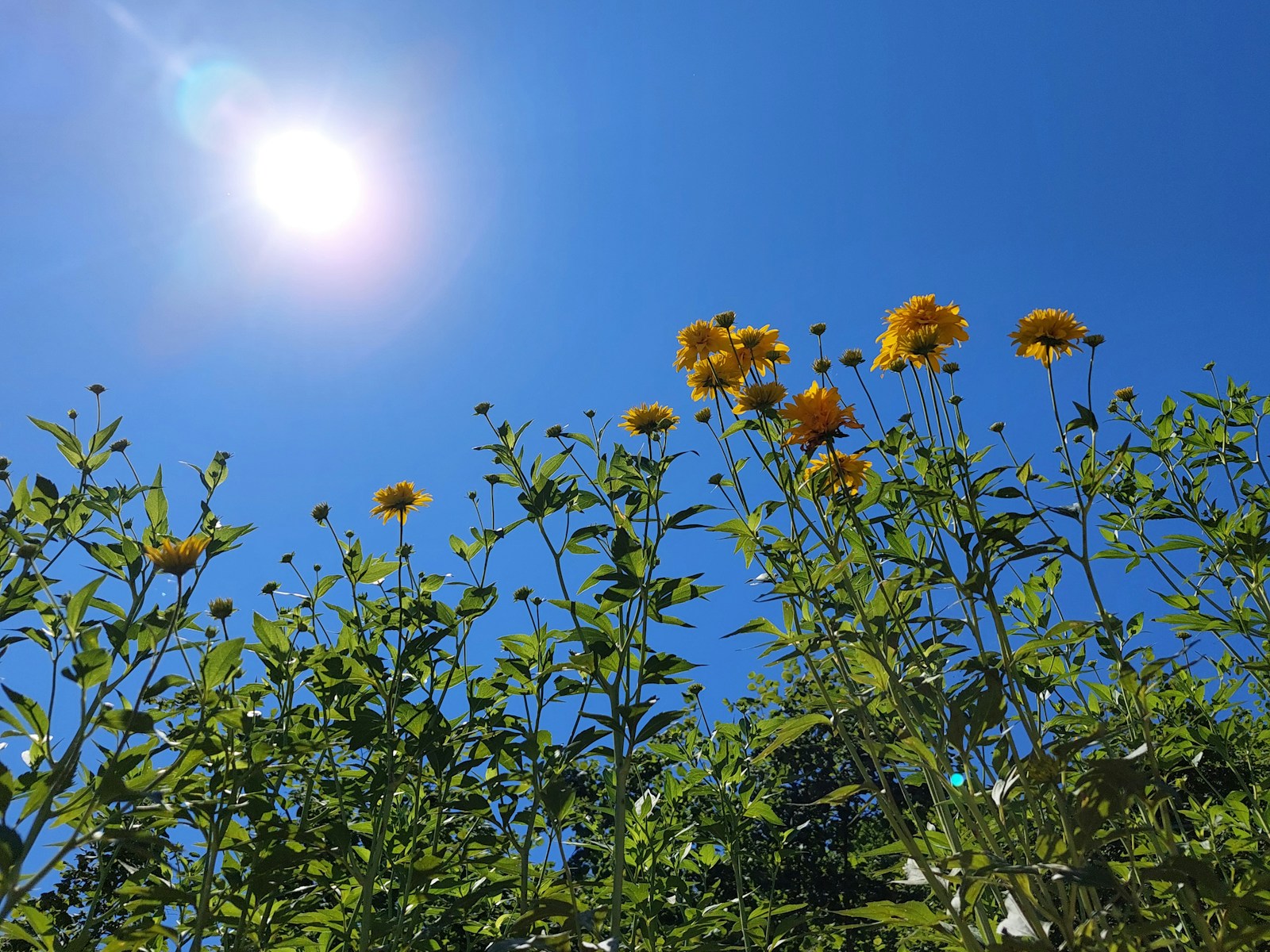
Full sun means at least 6 hours of direct, unfiltered sunlight daily!
When plant tags mention “full sun,” they are calling for a minimum of six hours of direct sunlight each day. This sunlight should be strong and unfiltered, not just a glow through leaves or clouds.
Those six hours don’t have to be all at once. You can have a few in the morning and a few in the afternoon, as long as it adds up.
Full sun is about energy, not just brightness. Your plants use this light to grow, bloom, and fruit.
If they don’t get enough, you’ll see less growth and fewer flowers. So, picking the right spot for your tomatoes or marigolds makes a difference.
Plants labeled “full sun” need a consistent minimum, not just occasional bright times
A plant labeled “full sun” needs at least six hours of strong sunlight every day, not just a few bright moments. Steady, direct light is what helps these plants grow their best.
A quick burst of sunlight in the morning or evening isn’t enough. They need reliable light to make food and stay strong.
If your garden spot is shaded for most of the day, those plants might not thrive. Check where the sun actually hits before you plant.
East- or west-facing spots that get several hours of strong rays work well. “Full sun” really means a solid daily requirement.
Intense heat can turn ‘full sun’ into a plant stressor, not a benefit!
Sunlight is essential, but when temperatures soar, even sun-loving plants can struggle. If it gets above 85 to 90 degrees, your plants might wilt or dry out by evening.
Too much heat makes it tough for plants to stay hydrated. The combination of strong sun and high temperatures can burn leaves or slow growth.
Even plants that usually love the sun can get stressed during a heatwave. Sometimes, they need a little help to avoid damage.
Choosing plants that can handle the heat or giving them some shade during peak hours can make a big difference.
Modern climates have made ‘full sun’ more complex than just brightness.
“Full sun” isn’t just about a bright garden spot anymore. Climate changes have made sunlight more intense, and dry, hot afternoons can stress plants that once thrived.
Now you have to think about temperature and dryness, not just light. Some plants do fine in the morning sun but struggle as the day heats up.
Your garden’s location matters. A spot that’s shady in the morning might turn scorching hot by afternoon.
Watching how the sun moves in your yard can help you plant smarter. Adapting to these changes keeps your garden healthier.
Some plants thrive with exactly 6 hours, but too much can cause wilting or bolting
For some plants, six hours of full sun is perfect. More than that, and you might see wilting or bolting, especially when temperatures climb.
Leafy greens and certain herbs can bolt if they get too much sun and heat. This means they flower and go to seed early instead of producing tasty leaves.
If your plants start looking droopy or grow tall too fast, they might need a break from the afternoon sun. Giving them some shade or extra water can help.
Finding the right sun balance keeps your garden looking and tasting great.
‘Full sun’ requirements vary by region and local temperature extremes
“Full sun” means six hours of sunlight, but what that looks like depends on where you live. In colder places, you might not get six strong hours even in summer.
Some plants labeled for full sun might still do well with less light in cooler regions. In really hot areas, too much sun can burn even sun-loving plants.
Your local climate and temperature extremes matter. Matching your plants to your real sun hours and heat levels helps them thrive.
Paying attention to your own garden’s conditions makes gardening more rewarding.
Many gardeners misunderstand ‘full sun’ as any sunny spot visible from indoors
It’s easy to think a bright spot you see from your window is full sun for your plants. But full sun actually means at least six hours of direct, unfiltered sunlight every day.
If a spot is shaded by trees, buildings, or clouds, it might not count as full sun. The sun’s position changes throughout the day, so what looks sunny in the morning could be shady later.
Tracking how long the sun really hits your garden spot helps your plants get what they need. Counting all bright areas as full sun can leave your plants struggling.
Give your garden the best shot by making sure those sun-loving plants get their full six hours.
Too much sun without proper hydration can shut down plant growth entirely.
When plants get lots of sun but not enough water, growth can come to a halt. The heat makes them lose water faster than they can absorb it.
Leaves might wilt or turn brown as the plant struggles to keep up. If this happens often, your plants will stop making new leaves or flowers and just focus on surviving.
Even sun-loving plants need regular watering, especially on hot days. Keeping up with their water needs helps them make the most of the sunlight.
Don’t let your plants get stressed out—water them well for healthy, steady growth.
Partial shade during peak heat can sometimes serve ‘full sun’ plants better.
All-day sun isn’t always best, even for plants labeled “full sun.” A little break during the hottest part of the day can actually help them thrive.
Afternoon sun can be intense and stressful for many plants. Giving them some shade during those hours protects them from heat damage and water loss.
Many sun-loving plants do well with morning sun and afternoon shade. This keeps their leaves from wilting and helps them use water efficiently.
Aim for the right balance of sun and shade to keep your garden strong.
Tomatoes, peppers, and squash are classic full sun lovers—they need the real deal!
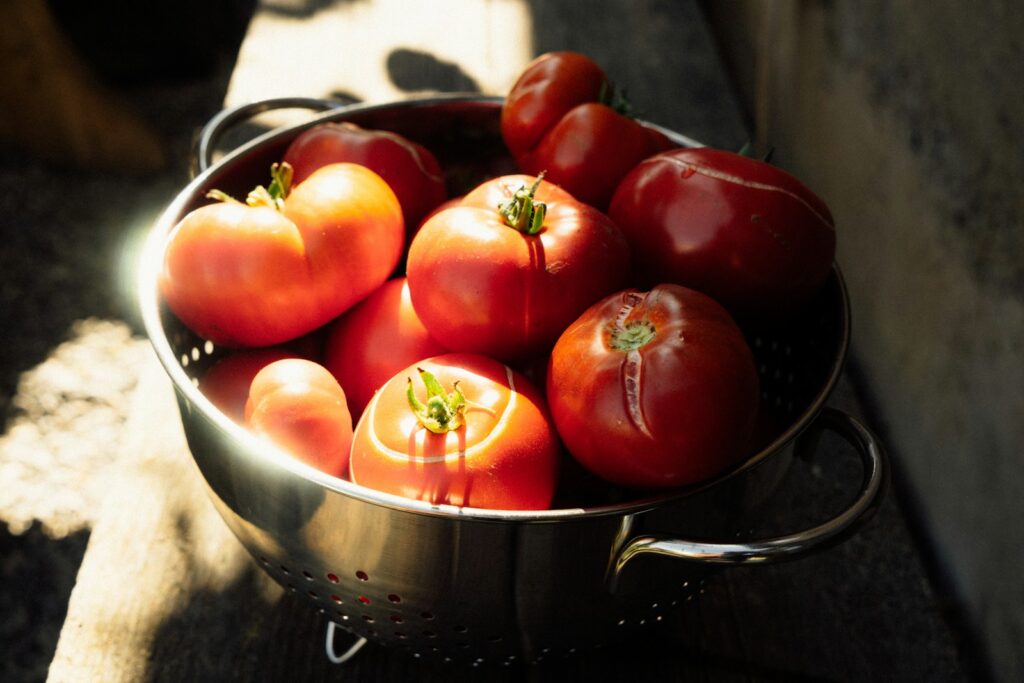
If you’re growing tomatoes, peppers, or squash, they need six to eight hours of direct sunlight every day. These crops rely on strong, steady sun to produce fruit and healthy leaves.
A garden spot with only a few hours of sun won’t cut it for these plants. Without enough light, you’ll see fewer fruits and weaker growth.
The energy from full sun helps these plants fight off disease and fill out their fruit. Give them the sunlight they crave, and your harvest will show it.
How the Definition of Full Sun Has Changed
What “full sun” means for your plants isn’t as straightforward as it used to be. Weather patterns, sunlight strength, and your location all play a part in how much sun your garden gets.
Historical Meaning of Full Sun
In the past, “full sun” meant six hours of direct sunlight each day. Gardeners used this as a simple rule for where to plant veggies and flowers.
Back then, people didn’t worry much about how strong the sunlight was or how seasons changed its intensity. It was all about the hours, not the quality or heat.
Impact of Climate Change on Sunlight Exposure
Now, sunlight can be more intense and unpredictable. Hotter days and stronger UV rays can make six hours of sun too much for some plants.
Heat waves and shifting weather patterns change when and how sunlight hits your yard. Sometimes, the heat and dryness that come with full sun can stress your plants.
Regional Variability in Sun Intensity
Full sun isn’t the same everywhere. In deserts, it’s harsh and hot, while in cooler places, six hours of sun might feel milder.
Plants react differently depending on your region. A tomato plant could thrive in full sun in one place but burn up in another.
Your local climate shapes how you should use the idea of full sun in your garden.
Smart Gardening Practices for Evolving Sunlight Standards
It pays to watch how sunlight moves in your garden and pick plants that match your real conditions. Using observation and the right tools helps you place plants where they’ll thrive.
Adapting Plant Choices to New Sunlight Guidelines
Not every plant labeled “full sun” needs the same amount of light now. Look for varieties that fit your garden’s heat and sunlight patterns.
Plants tagged “full sun to partial shade” or “part sun” can handle changing light better. Native or adaptable species often do best.
Matching plants to your actual sun and heat keeps your garden looking its best.
Tips for Monitoring Sun Patterns in Your Garden
Getting a sense of how sunlight moves through your garden can make a big difference for your plants. You do not need fancy equipment to start.
Try using a sunlight tracker app on your phone or simply jotting down notes in a notebook. Check your garden at different times like morning, midday, and afternoon.
Notice how the shadows shift as the day goes on. Some spots might look bright at first glance but never actually get direct sunlight.
These areas are not ideal for plants that need full sun. Keep an eye on your plants for signs like pale leaves or slow growth.
If you spot these issues, your plants might need a new location or a bit more shade. Paying attention to these details helps you find the best spots for every plant in your garden.