Why Fungus Gnats Are Just a Symptom: Addressing the Real Problem in Your Indoor Garden
Fungus gnats are a common nuisance for indoor gardeners, flitting around your houseplants and making you question the health of your green companions. While these tiny pests can be annoying, they are often just a symptom of a more significant problem lurking in your potting soil or care routine. Understanding the underlying causes of fungus gnat infestations can help you create a healthier environment for your plants, ultimately leading to a thriving indoor garden.
What Are Fungus Gnats?
Fungus gnats are small, dark-winged insects that thrive in moist soil conditions. They lay their eggs in the top layer of the soil, where the larvae feed on organic matter, fungi, and even the roots of your plants. Adult gnats are mostly harmless but can indicate that your plants are stressed or not receiving optimal care. They are particularly common in overwatered houseplants, as excess moisture creates the perfect breeding ground for these pests.
Identifying the Real Issue
While fungus gnats can be bothersome, they are often a sign that you need to reassess your watering habits and soil conditions. Here are the key areas to examine:
Overwatering
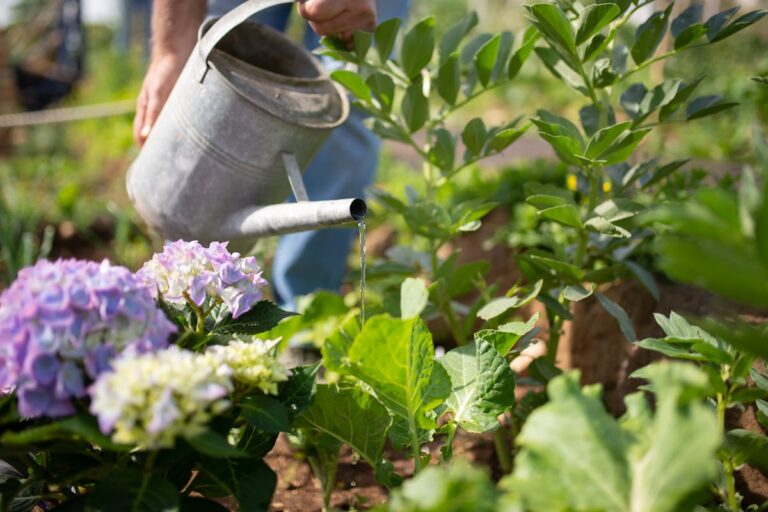
One of the most common causes of fungus gnat infestations is overwatering. If you notice these pests, check your watering routine. Plants that sit in consistently moist soil are more susceptible to fungus gnats.
Tip: Before watering, always check the top inch of soil. If it feels damp, hold off on watering until it dries out. This practice not only helps prevent gnats but also promotes healthy root growth.
Poor Drainage
Another contributing factor to fungus gnat problems is poor drainage in your pots. If your pots don’t have sufficient drainage holes, water can accumulate, creating a soggy environment ideal for gnats to thrive.
Tip: Ensure your pots have adequate drainage holes, and consider adding a layer of gravel or perlite at the bottom to improve drainage. If your current pots lack holes, consider repotting your plants.
Soil Quality
The type of soil you use can also impact fungus gnat populations. Soils with a high organic matter content are more appealing for gnats to lay their eggs.
Tip: Use a well-draining potting mix specifically formulated for your plants. You can also consider adding sand or perlite to improve drainage and reduce moisture retention.
Prevention Strategies
Now that you understand the underlying issues contributing to fungus gnat infestations, let’s explore effective prevention strategies to keep these pests at bay.
Watering Wisely
As mentioned, adjusting your watering routine is crucial. Water less frequently and ensure that the soil dries out between watering. This will discourage gnats from laying eggs in your soil.
Tip: Consider using self-watering pots or moisture meters to help regulate your watering schedule.
Reduce Organic Matter
If you’re using an organic potting mix, consider reducing the amount of organic matter you add to your plants. While organic matter is beneficial for plant health, it can also attract gnats if it retains too much moisture.
Tip: Use a mix that balances organic matter with inorganic components, which will help keep moisture levels in check.
Maintain Cleanliness
Maintaining a clean environment around your plants can help prevent fungus gnats and other pests. Keep the area around your plants free of debris, fallen leaves, or dead plant matter, which can harbor pests and contribute to soil issues.
Tip: Regularly inspect your plants for any signs of infestations and promptly remove any affected leaves or debris.
Dealing with an Infestation
If you do find yourself facing a fungus gnat infestation despite your best efforts to prevent them, don’t worry—there are several effective methods for controlling their populations.
Sticky Traps
One of the simplest ways to deal with adult fungus gnats is by using yellow sticky traps. These traps attract the flying adults, helping to reduce their numbers.
Tip: Place sticky traps near your plants or hang them in the soil to catch the adults before they can lay more eggs.
Biological Controls
If the infestation persists, consider using biological controls like beneficial nematodes or predatory insects such as Hypoaspis miles, which will target the gnat larvae in the soil.
Tip: These beneficial organisms can often be found at garden centers or online. Be sure to follow the instructions carefully for application.
Soil Treatments
Another option is to treat the soil with insecticidal soap or neem oil, which can help eliminate larvae without harming your plants. Always test a small area of your plant first to ensure there is no adverse reaction.
Tip: Apply these treatments in the evening or early morning to avoid direct sunlight, which can affect their efficacy.
Monitoring Plant Health
In addition to managing fungus gnats, it’s essential to monitor your plants’ overall health. Look for signs of stress, such as wilting, yellowing leaves, or stunted growth. Addressing these issues early can prevent further complications, including pest infestations.
Tip: Keep a gardening journal to track your watering schedule, plant health, and any pest issues. This can help you identify patterns and make adjustments as needed.
By understanding that fungus gnats are often just a symptom of underlying issues, you can take proactive steps to ensure your indoor garden thrives. Adjusting your watering practices, improving soil conditions, and maintaining cleanliness will not only help keep these pests at bay but also contribute to the overall health of your plants. Happy gardening!