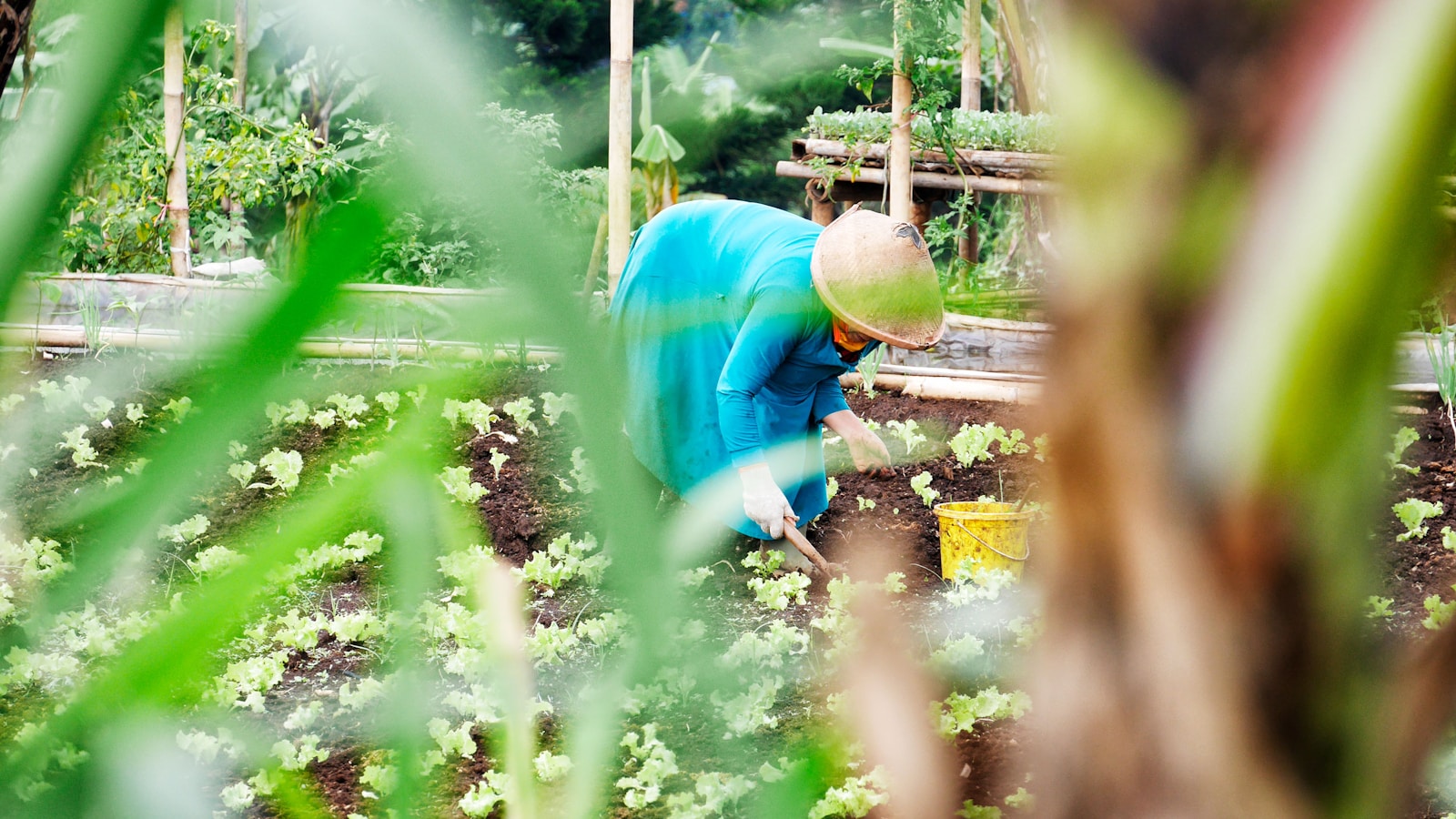
Why Gardeners Are Suddenly Rethinking No-Dig Gardening in 2025 Exciting New Techniques Transforming Growth
Ever notice how gardening trends seem to change just when you get comfortable? Lately, more people are questioning the no-dig approach and exploring what actually works best for their space.
No-dig gardening has been a favorite for its gentle touch on the earth. Instead of turning the soil, you simply add compost or mulch right on top.
This approach keeps the soil’s natural structure intact. It also makes gardening feel less like a chore and more like a partnership with nature.
No-Dig Gardens Preserve Soil Life and Structure
Choosing no-dig gardening means letting nature handle much of the work. Adding organic matter on top of the soil keeps its structure undisturbed.
Soil is alive with bacteria, earthworms, and other tiny helpers. Digging disrupts their habitat, but no-dig methods protect them.
Healthy soil supports strong plant roots. It also allows water to move through easily and gives roots room to grow.
Over time, your garden soil becomes richer and more supportive. Healthier plants and a vibrant garden are the result.
Layering Organic Matter Creates Fertile Beds
Building healthy soil can start with simple layers of compost, mulch, leaves, or straw. No digging required.
Each layer breaks down and feeds the soil below. This keeps the ground loose and full of nutrients.
You’ll notice fewer weeds and happier plants. The bugs and worms stay undisturbed, doing their job for you.
Adding new layers every year turns your garden into a thriving ecosystem. It’s a low-effort way to keep your beds fertile.
Significantly Reduces Weed Growth Without Chemicals
No-dig gardening helps keep weeds at bay by preserving the soil’s structure. Healthy soil is less inviting for weeds to take root.
You can skip chemical herbicides. Instead, better soil health and moisture retention naturally suppress weeds.
Digging brings weed seeds to the surface, making them more likely to sprout. No-dig methods keep those seeds buried and less likely to grow.
A thick layer of mulch blocks sunlight, preventing weeds from popping up. Your garden stays neater and easier to manage.
Saves Backbreaking Labor and Physical Effort
If you’re tired of sore muscles after gardening, no-dig is a welcome change. You layer materials instead of digging deep.
This makes gardening accessible for more people. It’s especially helpful if you’re working with tough soil or just want to avoid heavy lifting.
You get to spend more time planting and enjoying your garden. Less time is spent on the hard work of soil preparation.
Improves Water Retention and Reduces Erosion
No-dig gardening helps your soil hold onto water for longer periods. The natural structure stays intact, making it easier for roots to find moisture.
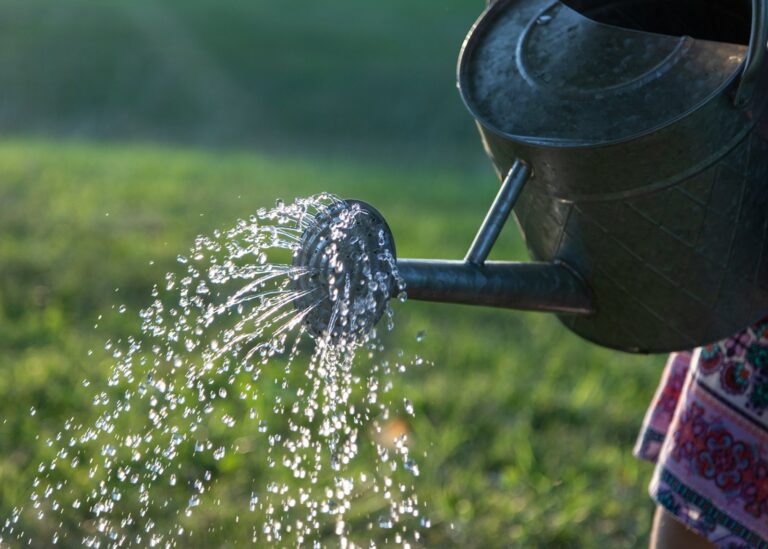
You’ll find yourself watering less often. This saves both time and water.
The soil is less likely to wash away during rainstorms. Undisturbed layers mean less erosion and fewer bare patches.
Healthy soil also encourages beneficial microbes. These tiny organisms help water move through the soil and keep your plants healthy.
Supports Biodiversity by Leaving Soil Intact
Leaving the soil undisturbed helps protect earthworms and other helpful creatures. These little workers keep your soil healthy.
Microorganisms break down organic matter and support plant growth. Your garden becomes a welcoming spot for all sorts of life.
When you avoid digging, your soil can store more carbon. This helps the environment and supports a balanced garden ecosystem.
Beneficial bugs and birds are attracted to your space. They help with pollination and natural pest control.
Encourages Natural Decomposition Processes
No-dig gardening lets organic matter break down naturally on the surface. This feeds microbes and worms in the soil.
Decomposition turns leaves and plant scraps into valuable nutrients. Healthy soil structure is maintained, and life underground thrives.
You’ll notice your soil stays moist and full of activity. This natural process supports plant growth without extra chemicals.
Supporting these cycles helps your garden flourish. Nature takes care of much of the work for you.
Easier to Start Anytime Year-Round
No-dig gardening makes it easy to jump in whenever you feel inspired. There’s no need to wait for the perfect season to start.
Natural layers of mulch and compost protect your soil from heat and cold. This helps your plants thrive through every season.
You can add new layers whenever you want. Your garden stays nourished and ready for planting all year.
This flexibility is great if you’re busy or just starting out. You can see results quickly without a lot of effort.
Boosts Crop Yields with Healthier Plants
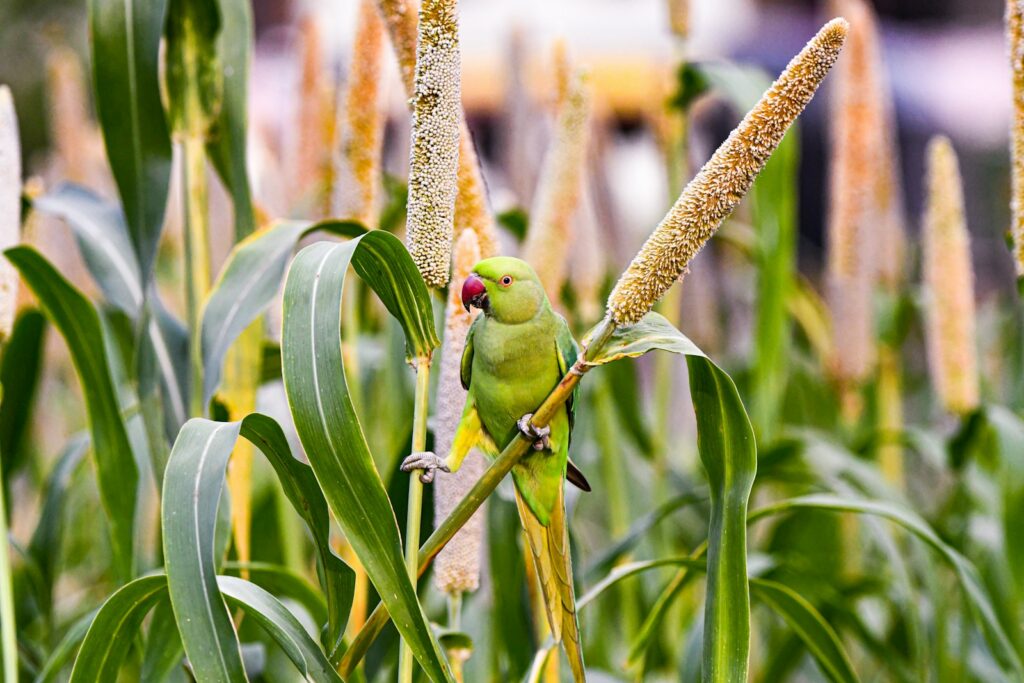
Switching to no-dig gardening often leads to stronger, healthier plants. Adding compost and mulch feeds the soil and keeps it full of life.
Better soil means more nutrients for your crops. Natural organisms break down organic matter, making it available to your plants.
With fewer weeds and moist soil, roots grow deeper and stronger. Your plants are better equipped to handle dry spells and disease.
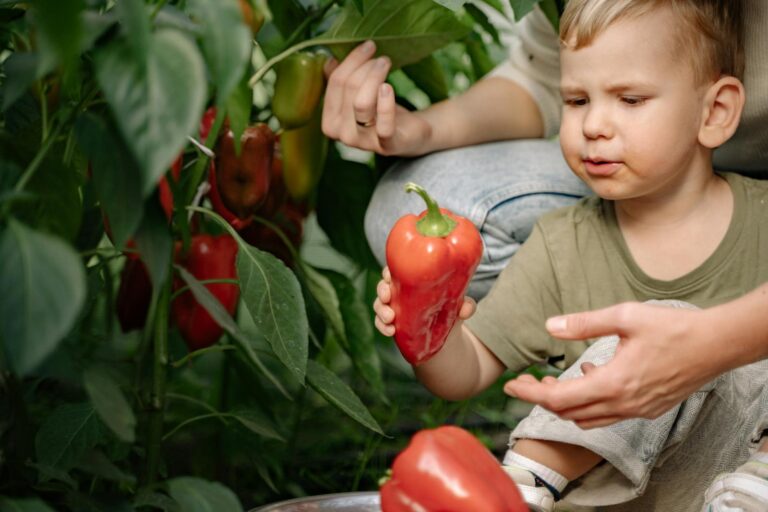
You don’t need to be an expert to see improvements. No-dig gardening gives you bigger harvests with less work.
Decreases Need for Expensive Tilling Equipment
No-dig gardening means you can skip buying costly tillers. There’s no need for heavy machinery or the maintenance that comes with it.
Simple hand tools are all you need. This makes gardening more affordable and accessible for everyone.
You also avoid the fuel costs and noise of powered equipment. Your soil stays healthier because it’s not disturbed by machines.
This approach lets you focus on growing, not fixing equipment. It’s a win for your wallet and your garden.
The Science Behind No-Dig Gardening
No-dig gardening changes the way you treat soil by keeping its natural balance. It helps protect life in the soil and can even slow climate change by holding carbon underground.
Soil Health and Microbial Life
When you skip digging, the soil’s natural structure stays intact. Fungi and bacteria thrive, helping break down organic matter into nutrients.
Earthworms and other creatures create tunnels that let air and water reach plant roots. This leads to stronger, healthier plants.
Layering compost on top feeds these microbes. Over time, your soil becomes richer and more productive.
Carbon Sequestration and Climate Impact
No-dig gardening helps keep carbon stored in your soil. Digging releases carbon as CO2, but leaving soil undisturbed keeps it underground.
Adding organic layers encourages carbon sequestration. This benefits your garden’s health and helps the planet.
Supporting these natural cycles makes a positive impact on both your garden and the environment.
Emerging Challenges and Innovations
No-dig gardening is not without its challenges. Weeds and changing weather are pushing gardeners to adapt and try new solutions.
Weed Control Dilemmas in 2025
Some weeds are getting harder to manage without digging. Seeds near the surface can sprout more easily.
Thick mulch or dense ground covers can help block sunlight and keep weeds in check. Hand-weeding and natural herbicides work as backup.
Mixing different strategies is key. There’s no one-size-fits-all answer, but combining approaches strengthens your garden.
Eco-Friendly Alternatives to No-Dig
New products are making no-dig gardening even easier. Biodegradable mulches and compost covers cut down on waste and improve the soil.
Smart irrigation systems help you save water and keep soil moisture balanced. Adding insect-attracting flowers boosts natural pest control.
These tools help you keep your garden eco-friendly and productive. No-dig gardening is evolving, and there are more ways than ever to make it work for you.
Adaptations for Changing Weather Patterns
Lately, weather swings have been putting no-dig gardens to the test. Heavy rains can flood unturned soil.
Droughts dry out the top layers where plant roots grow. To protect your garden, add organic matter regularly.
This helps soil hold water during dry spells and improves drainage after storms. Raised beds or garden mounds can make a big difference for drainage too.
Choosing hardier plants that handle stress better is another smart move. Mulching deeply keeps soil temperature stable and helps roots survive weather extremes.