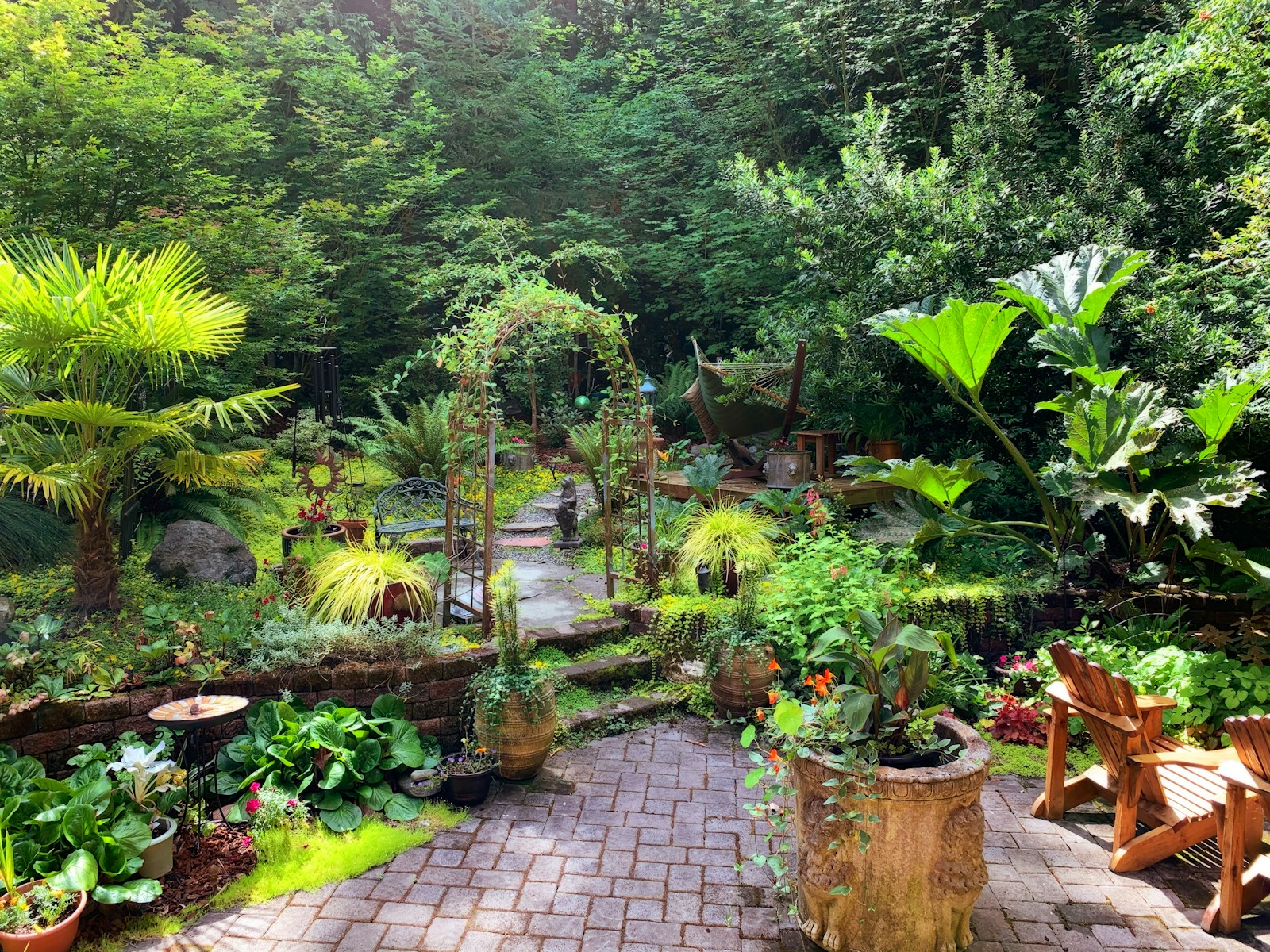
Why Good Enough Gardening Is Becoming More Popular and Changing How We Grow
Ever feel like gardening is just another thing on your never-ending to-do list? You’re not alone. Many people are finding that letting go of perfection makes gardening way more enjoyable.
Aiming for “good enough” is catching on because it takes away the pressure and brings back the fun. It’s less about flawless rows and more about enjoying time with your plants.
Saves Time for Busy Schedules
Choosing “good enough” gardening means you can skip the fussy details and still have a garden you love. You don’t have to stress about perfect lines or checking every single plant.
Miss a watering? Forget to prune? Your plants will keep growing. This approach fits right into a packed schedule.
Letting go of less important tasks helps you avoid feeling overwhelmed. Your garden turns into a relaxing spot instead of another chore.
You get to enjoy your plants without hours of work each week. It’s a great way to add a little beauty to your life without losing time for everything else.
Reduces Stress and Pressure
Gardening with a “good enough” mindset takes the pressure off. You don’t have to chase after perfect plants or flawless beds.
It’s easier to enjoy planting and watching things grow when you’re not worried about every mistake. This relaxed approach lowers anxiety and makes gardening more fun.
You can take breaks and just enjoy being outside. Even small amounts of time in the garden can help you feel less stressed.
By letting go of perfection, your garden becomes a personal, welcoming space. It’s about simple joy, not strict rules.
Encourages Enjoyment over Perfection
With a “good enough” attitude, you actually get to enjoy the best parts of gardening. Watching plants grow, getting your hands dirty, and smelling the flowers become the focus.
You don’t have to stress over every weed or crooked line. This freedom lets you experiment and be creative.
Gardening is supposed to be joyful, not another thing to stress about. Celebrating small wins and learning from mistakes keeps you motivated.
Perfect gardens are rare. Letting go of perfection opens the door to real experiences and growth.
Supports Mental Health Benefits
You don’t need to be a gardening pro to feel the mental boost. “Good enough” gardening helps you relax and step away from daily stress.
Spending time with plants, even just watering or trimming, can lift your mood. It’s a simple way to feel calmer and more focused.
Gardening builds confidence at your own pace. You see that it’s okay not to be perfect, and that makes the whole process more enjoyable.
Working with plants can also help you feel more connected, whether you share your garden with friends or join a community group. This sense of connection is great for your mental well-being.
Focuses on Practical Plant Choices
A “good enough” garden is all about what works for you. You don’t have to grow everything or follow every new trend.
Pick plants that fit your space and your lifestyle. Maybe you want fresh herbs for cooking or flowers that make you smile.
It’s okay if not every plant is perfect or super productive. The goal is to choose what grows well for you and brings you happiness.
You spend less time worrying and more time enjoying what you’ve grown.
Allows for Flexible Garden Designs
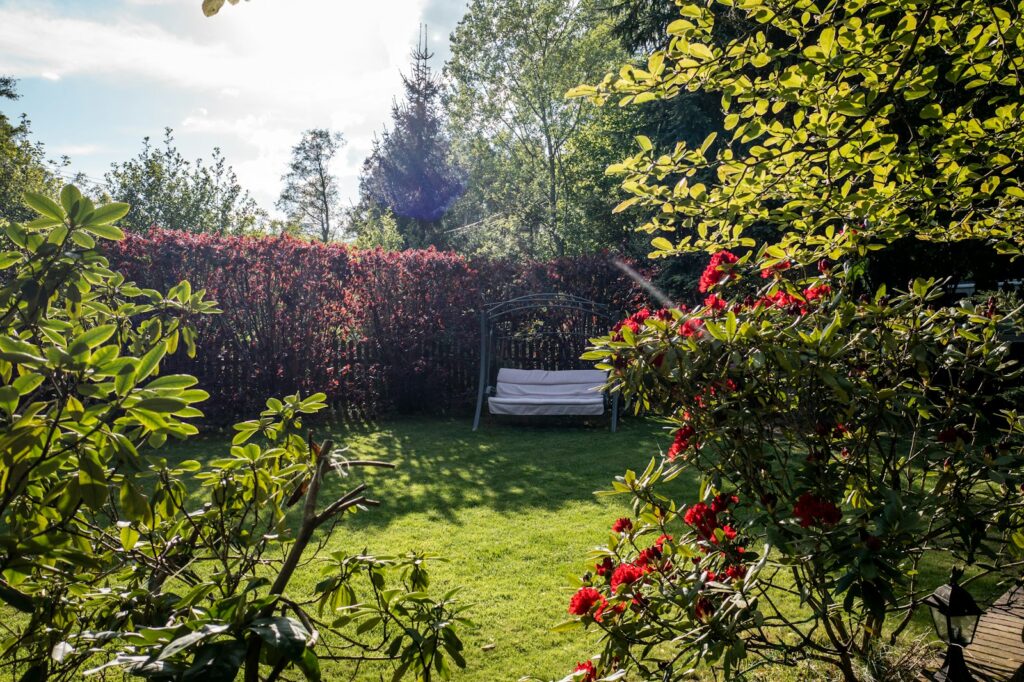
Flexibility is a big win with “good enough” gardening. You don’t need perfect soil or fancy tools to get started.
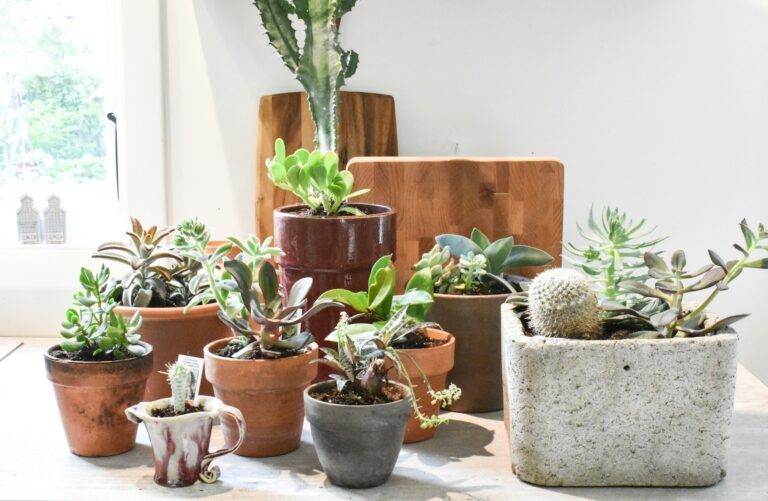
Raised beds, containers, or even a few pots on a balcony can work. Your garden can fit wherever you want it to.
If something isn’t working, you can move things around. There’s no need to stick to a rigid layout.
Gardening fits your life, not the other way around. You get to experiment and find what feels right for you.
Watching your garden grow, even with its quirks, is something to be proud of.
Embraces Imperfect but Thriving Plants
Plants don’t have to be picture-perfect to be healthy. A few spots or crooked stems are just part of the deal.
Imperfect plants are often tougher and more resilient. They handle changes and challenges without a fuss.
Letting go of the need for flawless leaves or blooms frees you to enjoy the process. It’s exciting to see your garden adapt and thrive in its own way.
Every small success—a new bloom or a ripe tomato—feels like a win. Your “good enough” garden is alive and truly yours.
Promotes Sustainable Gardening Habits
“Good enough” gardening naturally leads to more sustainable habits. You use fewer chemicals and make choices that are better for the environment.
Working with nature, like letting some plants grow wild or using compost, keeps your garden healthy and balanced.
Not chasing perfection means you save time and energy. This makes it easier to stick with eco-friendly routines.
Your efforts help both your garden and the planet. More people are choosing this route because it’s fun and better for the earth.
Matches Busy Lifestyles Easily
If your days are packed, “good enough” gardening is a lifesaver. You don’t need to spend hours every week to keep things growing.
Choose easy-care plants and simple routines. The goal isn’t perfection, just steady progress.
When life gets busy, you won’t stress about falling behind. Even short bursts of effort can make a big difference.
This approach keeps gardening fun and manageable, no matter how busy you are.
Builds Confidence Through Achievable Goals
Setting small, realistic goals makes gardening feel doable. Instead of chasing a perfect yard, you focus on what you can finish.
Completing each step builds your confidence and helps you learn new skills.
You get to celebrate every healthy plant or tidy bed. These wins keep you motivated to keep going.
“Good enough” means you keep growing as a gardener, without the weight of perfection on your shoulders.
The Mindset Behind ‘Good Enough’ Gardening
Gardening is more enjoyable when you stop aiming for perfect results. Accepting a few flaws helps you focus on the joy and progress you’re making.
Embracing Imperfection in the Garden
Not everything will go as planned in the garden. Some plants wilt, some vegetables underperform, and weeds make surprise appearances.
Learning to accept these imperfections makes gardening less stressful. You start to appreciate the little victories and the unexpected beauty.
Your garden doesn’t need to look like a magazine spread. “Good enough” means you’re enjoying your space and your time outside.
Letting Go of Pressure for Perfection
Trying to achieve a perfect garden takes a lot of effort. Letting go of that pressure makes gardening feel lighter and more enjoyable.
You get to decide which tasks matter most and which ones can slide. Focusing on what’s “good enough” helps you avoid burnout.
It’s about balancing your effort with your reward, so gardening stays something you love.
Positive Impacts of a Relaxed Gardening Approach
Taking a more relaxed approach to gardening can really change your mood and spark your creativity. You have more time to enjoy growing things and trying new ideas.
Reducing Stress Through Simpler Gardening
When you let go of the need for a perfect garden, the pressure eases. You can simply enjoy being outdoors and tending to your plants.
Even casual gardening can clear your mind. Studies show that just thirty minutes in the garden can boost your mood and help you sleep better.
You don’t need to plant every row or fuss over every detail. Just doing enough to keep things growing makes gardening a soothing part of your life.
Fostering Creativity and Personal Expression
Ever look at your garden and wonder if you are doing it right? Good enough gardening is about letting go of perfection and enjoying the process.
You can experiment with different plants or arrange your space in a way that feels right for you. If something does not work out, it is just another step in learning what you enjoy.
This relaxed approach gives you the freedom to explore colors, shapes, and textures. One day you might plant a few herbs, and the next you could decide to add a patch of wildflowers.
Without the pressure to follow strict rules, your garden turns into a personal space that reflects your style and mood. Spending time outside becomes more fun and meaningful when you let your creativity lead the way.