Why Home Gardeners Are Growing Less Produce But Enjoying It More: The Joyful Shift to Quality Over Quantity
Have you noticed that your garden isn’t overflowing with veggies like it used to? It turns out, many gardeners are growing less but finding more happiness in what they do harvest.
You might find yourself spending more time enjoying the garden, rather than just counting how many tomatoes you picked. There’s a new focus on savoring every bite and connecting with the food you grow.
You get to savor fresher, tastier fruits and vegetables while spending more time connecting with your garden and the food you eat. This fresh approach makes gardening feel rewarding in new ways beyond just harvesting lots of food.
Focus on quality over quantity boosts enjoyment!
Maybe your garden is smaller or your harvest isn’t as big as before. That’s perfectly fine.
Focusing on growing fewer but higher-quality fruits and vegetables can make gardening more fun and satisfying. When you pay closer attention to each plant, you get better flavors and fresher produce.
There’s a real sense of pride in growing something with care. Gardening becomes less about the numbers and more about the experience of each bite.
This shift helps you connect more with your food and appreciate the process. Taking time to care for fewer plants means less stress and more relaxation.
Your garden turns into a pleasant space where you can focus on the joy of growing. You might find that the satisfaction of tasting your fresh fruits and veggies increases when quality is your goal.
It’s a great way to feel happier and healthier while spending time outside.
Growing diverse herbs for fresh flavor hits the spot
Nothing beats the taste of herbs you’ve grown yourself. Picking basil, thyme, mint, or parsley right when you need them adds a burst of flavor to any meal.
You can try growing spicy chives, fragrant rosemary, or zesty oregano. Mixing different herbs gives you more options in the kitchen and lets you experiment with new dishes.
Even if you don’t have much space, herbs are easy to grow in pots on a windowsill or balcony. Fresh herbs instantly lift your cooking and bring life to your kitchen.
You’ll feel proud using herbs you’ve grown. The taste is rewarding, and you learn more about how food grows.
Seasonal gardening creates anticipation and satisfaction
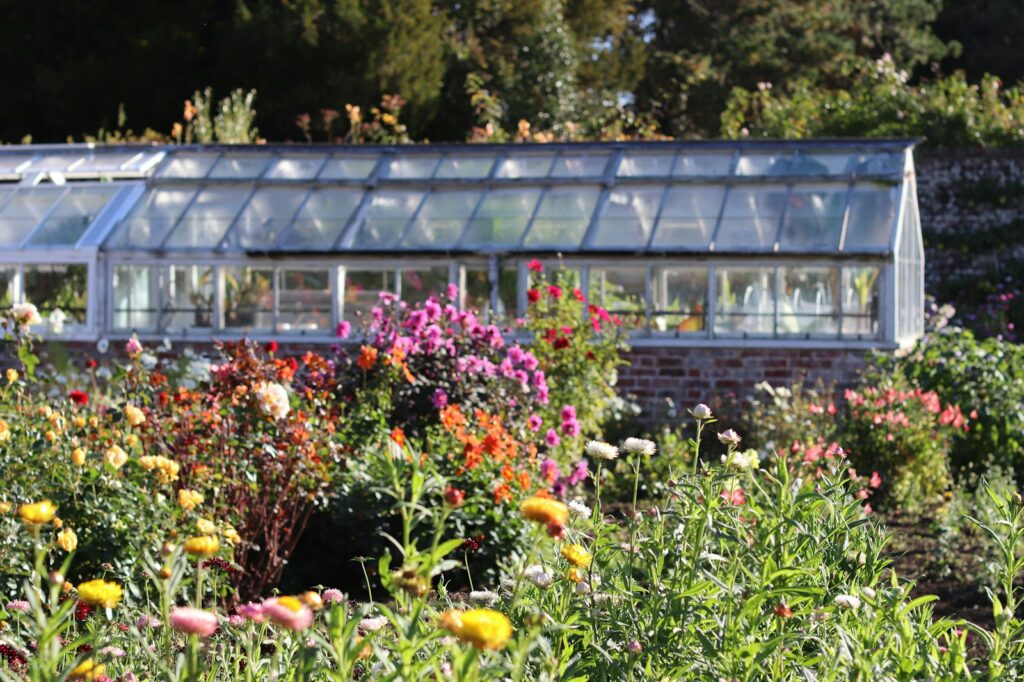
Gardening with the seasons teaches you to wait and watch. Each season brings a different rhythm, and that natural timing builds excitement.
You know when to plant and when to expect your first harvest. The wait makes the taste of your homegrown fruits and vegetables even better.
Watching your plants grow little by little gives you a sense of achievement. Seasonal gardening also keeps things interesting.
You don’t grow the same plants all year. You get to try new seeds and harvest different crops as the months change.
This variety keeps you eager to get outside and see what’s coming next. By working with nature, your garden feels alive and connected to the world around you.
You get to savor the full journey—from planting to picking.
Smaller, manageable plots reduce stress and increase success
A small garden plot is easier to handle. You don’t get overwhelmed by too many plants or too much space.
This lets you focus on giving each plant the care it needs. Having a manageable garden helps you enjoy the process more.
Watching your plants grow without pressure makes gardening feel like a relaxing break. You also save time and energy by tending a smaller area.
This way, gardening doesn’t take over your whole day. Small plots help you keep a steady routine of care.
Success feels more likely and more satisfying when things are manageable.
Experimenting with rare vegetable varieties sparks excitement
Trying out rare vegetables brings a new twist to your garden. Unusual plants offer flavors and colors you won’t find at the store.
This makes eating your harvest more fun. Rare varieties come with interesting shapes and textures.
They can turn your garden into a colorful, vibrant space. Experimenting with these veggies lets you discover what suits your taste and growing style.
Trying something different also challenges your gardening skills. You learn more about what each plant needs to thrive.
When you grow rare veggies, you might connect with a community of adventurous gardeners. Sharing seeds or tips can be a fun way to meet others who love unique plants.
Rare vegetables refresh your routine and turn growing food into a personal adventure.
Homegrown cherry tomatoes are little bursts of joy!
If you’ve ever picked a cherry tomato straight from the vine, you know how sweet and juicy they can be. The flavor is a real treat compared to store-bought tomatoes.
Cherry tomatoes are easy to grow, even in pots on a balcony or patio. Watching them grow from tiny seedlings to ripe fruits is a rewarding experience.
Picking sun-warmed cherry tomatoes is a simple pleasure. Their bright colors and sweet taste can brighten any salad or snack.
With a little patience and care, your cherry tomatoes will keep giving you small bursts of joy all season long.
Gardening nurtures mindfulness and connection to food
When you’re out in the garden, it’s easy to get lost in the moment. Every seed you plant or weed you pull draws your attention to what’s happening right now.
You build a strong connection to your food. Growing your own fruits and vegetables lets you see where your food starts.
You get to watch it grow day by day, appreciating the effort it takes to bring food to your table. As you care for your plants, you become part of a natural cycle.
Mindful gardening turns everyday tasks into special rituals. You learn patience and care through watering, pruning, and waiting for plants to mature.
Less waste from growing only what’s truly loved feels great.
When you grow only the fruits and veggies you really enjoy, every bite feels special. You’re less likely to have extra produce that goes to waste.
Imagine harvesting just what you plan to eat, fresh and full of flavor. This helps you use your garden space smartly.
You focus on plants you love, giving them the best care and attention. That means better crops and more satisfaction when you cook or share your harvest.
Cutting down on waste also makes you feel good about your impact. Sharing any extras with friends or neighbors can brighten someone else’s day.
By growing what you truly want, gardening turns into a waste-free experience.
Sharing surplus produce builds community and happiness
Sharing extra fruits and veggies is a simple way to connect with neighbors. Giving away fresh food opens the door to friendly conversations.
A Grow Free cart or a neighborhood produce swap makes it easy to pass along what you don’t need. It turns gardening into a social activity.
Sharing brings a sense of teamwork. Everyone benefits when produce is exchanged.
Giving your surplus also makes your garden feel more rewarding. Watching your food bring happiness to others boosts your own joy.
Personalized garden design fits lifestyle perfectly
Your garden should fit your life, not the other way around. Designing your space around your daily habits makes it feel more natural and enjoyable.
Maybe you want space for fresh veggies or a cozy spot for family meals. By focusing on your interests, your garden becomes a place you look forward to being in.
A smaller, well-planned garden can bring more joy than a big one. Choosing plants and features that fit your time, space, and energy keeps gardening from feeling like a chore.
With personalized design, you create a garden that feels like part of you. It’s not just about plants but making your outdoor space a perfect fit for your lifestyle.
The Positive Shift in Home Gardening
Gardening at home isn’t just about filling baskets anymore. People are finding new reasons to grow and enjoying what they plant in fresh ways.
Changing Goals and Motivations
Many home gardeners today aren’t focused on big harvests. Instead, the goal is often fresher food, better health, or a relaxing break from daily stress.
People want organic, nutrient-rich produce right at home. This often means growing a smaller amount of high-quality vegetables and fruits.
Gardening can also be about connecting with nature and reducing the need to buy processed foods. The idea of sustainability is important too.
You might find satisfaction in growing your own herbs or veggies, knowing it helps reduce waste and your carbon footprint.
Focus on Experience Over Yield
Gardening isn’t just about quantity anymore. It’s about the joy and learning you gain along the way.
You could spend time watching your plants grow, experimenting with new varieties, or cooking fresh meals from your garden. Many gardeners find happiness in the process.
Sharing some produce with neighbors or donating extra veggies feels more rewarding than just piling up food. The garden becomes a place of creativity and relaxation.
You get to enjoy the small wins, like blooming flowers or tasting a ripe tomato.
Embracing the Joy of Growing
Growing your own food is about more than just the harvest. It’s about finding peace, getting creative, and enjoying the process from seed to table.
You can deepen your connection to nature and boost your well-being by caring for your garden.
Mindfulness and Well-Being in the Garden
Working in your garden helps you slow down and notice the small details. The feel of soil, the colors of new leaves, and the smell of fresh herbs all draw you into the moment.
This presence can reduce stress and clear your mind. Physical activity in the garden also benefits your body.
Planting, weeding, and watering keep you moving. Spending time outside and nurturing plants can improve your mood and emotional health.
Your garden becomes a space where your mind and body both grow stronger.
Creative Ways Gardeners Are Connecting With Nature
Gardening can be a creative outlet that fits any lifestyle or living space. Even if you only have a balcony, you can set up container gardens and grow your favorite herbs indoors.
Trying out vertical gardens or experimenting with hydroponics opens up new possibilities. These methods let you make the most of small spaces and bring greenery into unexpected places.
Planting flowers that attract bees and butterflies can turn your space into a mini wildlife sanctuary. Watching these visitors brings a sense of excitement and connection.
Adding personal touches like handmade garden markers or crafting art from leaves and seeds makes your garden feel uniquely yours. Every project can reflect your interests and creativity.