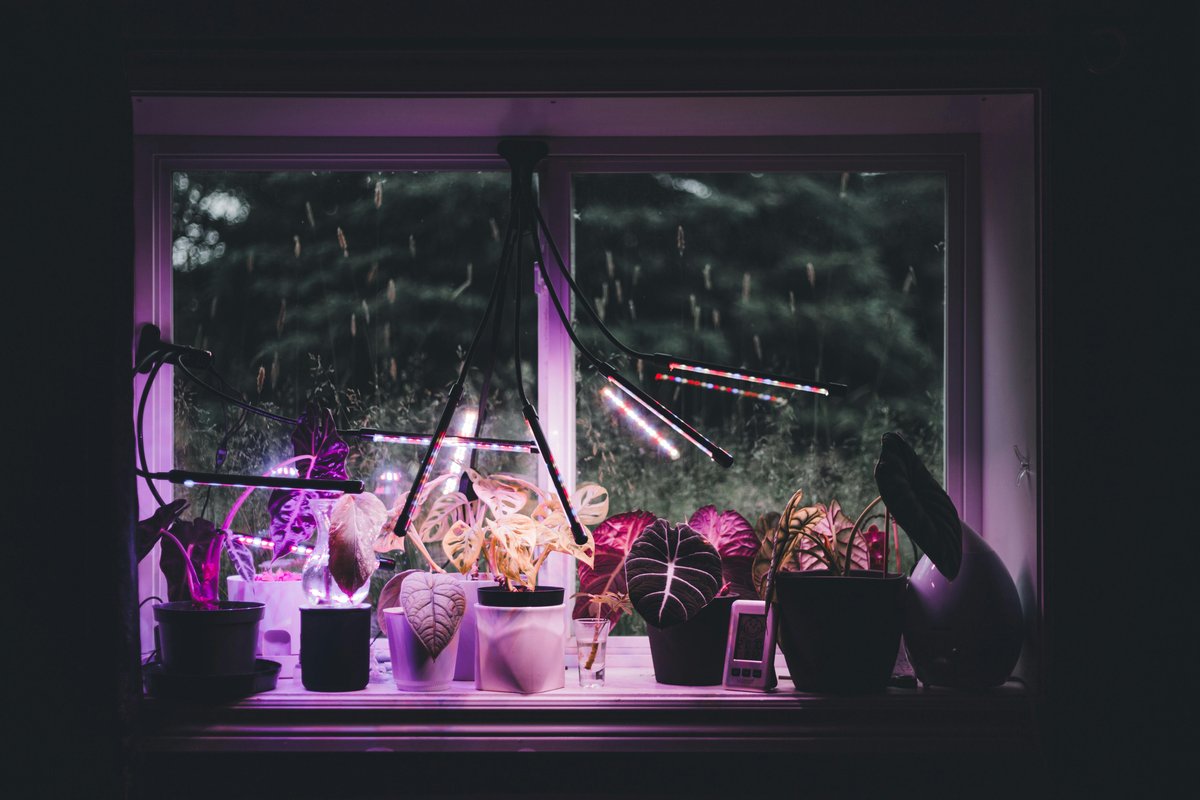
“Why Investing in Quality Grow Lights is Essential for Strong Seedlings”
When starting a garden from seeds, many gardeners face the challenge of nurturing healthy seedlings that can thrive outdoors. One common mistake made by both novice and intermediate gardeners is opting for inexpensive grow lights, which can lead to weak and leggy plants. In this article, we will explore the reasons behind this phenomenon and how investing in quality grow lights can significantly improve your seed-starting success.
Understanding Seedling Growth
Seedlings are young plants that emerge from germinated seeds. They are delicate and require specific conditions to grow strong and healthy. Key factors influencing seedling growth include light, temperature, moisture, and nutrients. Among these, light is crucial, as it drives photosynthesis, the process by which plants convert light energy into chemical energy to fuel their growth.
The Importance of Proper Lighting
Light is not just about brightness; it’s about quality and duration. Seedlings need a specific spectrum of light to develop properly. Full-spectrum grow lights provide wavelengths that mimic natural sunlight, promoting robust growth. Cheap grow lights often fail to emit this full spectrum, resulting in insufficient light that can lead to leggy plants—those with long, thin stems and weak foliage.
What Causes Leggy Seedlings?
Leggy seedlings are a result of inadequate light exposure. When plants do not receive enough light, they stretch toward the light source, resulting in weak stems and sparse leaves. This stretching is a survival mechanism, but it comes at a cost. Leggy seedlings are more prone to diseases, are less stable, and may struggle to adapt once transplanted outdoors.
Types of Grow Lights
There are several types of grow lights available, each with its pros and cons:
1. Fluorescent Lights: These are popular for seed starting because they emit a broad spectrum of light and are energy-efficient. T5 fluorescent lights are particularly effective, as they offer higher intensity and longer lifespans compared to traditional bulbs.
2. LED Grow Lights: LEDs have gained popularity due to their energy efficiency and low heat output. They provide specific wavelengths that are beneficial for plant growth. Full-spectrum LED grow lights are ideal for seedlings, as they mimic natural sunlight.
3. Incandescent Lights: While these are inexpensive, they are not recommended for seedlings. Incandescent bulbs emit a lot of heat and very little usable light for plants, leading to weak growth.
4. High-Intensity Discharge (HID) Lights: These lights are powerful and effective for larger setups but can be overkill for home gardeners. They also generate a lot of heat and require proper ventilation.
Choosing the Right Grow Light
When selecting grow lights for your seedlings, consider the following factors:
Light Spectrum: Choose full-spectrum lights that provide a balance of blue and red light. Blue light encourages vegetative growth, while red light promotes flowering and fruiting.
Intensity: Seedlings require about 12-16 hours of light per day. Ensure your grow light is powerful enough to provide adequate intensity without being too far away from the plants.
Heat Output: Keep an eye on heat levels, especially with fluorescent and HID lights. Seedlings can suffer from heat stress if lights are too close. LEDs are a great option for high intensity with low heat.
Adjustability: Look for grow lights that can be easily adjusted in height as your seedlings grow. This will help maintain the right distance and prevent legginess.
Setting Up Your Grow Lights
Once you’ve selected the right grow lights, proper setup is key to ensuring your seedlings receive the best possible care:
Positioning: Place your grow lights 2-4 inches above the seedlings. As they grow, gradually raise the lights to maintain the distance.
Duration: Set a timer to ensure your seedlings receive consistent light for 12-16 hours a day. This mimics natural daylight cycles and promotes healthy growth.
Rotate Seedlings: If your grow lights do not provide uniform coverage, rotate your seedlings every few days to ensure all sides receive adequate light exposure.
Common Mistakes to Avoid
To maximize the effectiveness of your grow lights and prevent leggy seedlings, keep these common mistakes in mind:
Using the Wrong Light Type: Avoid cheap incandescent bulbs and opt for fluorescent or LED lights that provide the necessary light spectrum.
Inconsistent Lighting: Inconsistent light exposure can confuse seedlings. Stick to a regular schedule to promote stable growth.
Ignoring Heat: Monitor the temperature near your seedlings. If the area feels too hot, adjust the height of your lights or switch to a cooler option.
Overcrowding: Avoid placing too many seedlings under one light source. Overcrowding can limit light exposure and create competition among seedlings.
Caring for Your Seedlings
In addition to proper lighting, ensure your seedlings are properly watered and fed. Use a seed-starting mix that provides good drainage and aeration. Water seedlings when the top layer of soil feels dry, and consider using a diluted liquid fertilizer once they develop true leaves.
By investing in quality grow lights and following best practices, you can promote strong, healthy seedlings that will thrive in your garden. Remember, the health of your plants starts with the right foundation, and proper lighting is a critical piece of the puzzle. Happy gardening!