Why More Gardeners Are Ignoring Plant Spacing Labels And Revolutionizing Their Gardens
Have you ever looked at a seed packet and wondered if those spacing instructions really matter? Lately, more gardeners are tossing out the rulebook and trying new ways to arrange their plants.
Instead of sticking to the usual guidelines, people are planting seeds closer together or mixing up the patterns. This new approach is changing the feel and look of home gardens everywhere.
Intensive planting boosts garden yield by maximizing space!
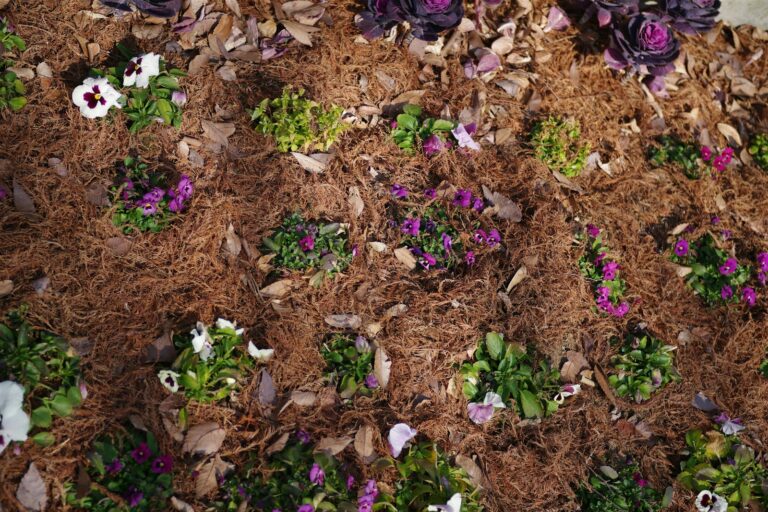
With intensive planting, every inch of your garden gets used. Rather than leaving wide gaps, plants grow side by side.
This means you can get more out of a small space and enjoy bigger harvests. Empty soil is replaced by a full, lively mix of crops.
Weeds have less room to grow, and moisture sticks around longer in the soil. Caring for your garden becomes simpler and less work.
Grouping plants with similar needs lets you water and fertilize efficiently. Your plants may even help each other thrive.
Intensive planting works especially well for raised beds, balconies, or even small yards. You might be surprised by how much you can grow in a compact area.
Gardeners find traditional spacing too conservative for backyard plots
Those spacing labels often suggest giving each plant more room than you probably have. They’re designed for big farms, not tiny backyard gardens.
If you’re working with limited space, wide gaps can feel wasteful. Many home gardeners are now planting closer together to get more out of their plots.
A fuller garden means more veggies or flowers in the same area. The whole space feels more alive.
You don’t have to stick to every rule. Sometimes, bending the guidelines helps you discover what really works for your unique spot.
Just keep an eye out so plants don’t get too crowded. Good airflow is still important to keep disease away.
Experimenting with tighter spacing can be a fun way to make your garden feel more personal.
Ignoring spacing helps create microclimates that benefit some plants
Planting closer together can change the environment in your garden. When plants are packed in, they create small microclimates.
These microclimates can protect plants from harsh weather. For example, a dense patch of greenery holds in warmth on chilly nights.
You might notice soil stays moist longer since less sunlight reaches it. This can help sensitive plants survive and thrive.
Crowded plants also block wind, which reduces stress and keeps the soil from drying out. You might find you need to water less often.
Not all plants love this setup, though. Some still need space for airflow to stay healthy.
Trying different distances can help you see what works best for your garden’s conditions.
Species-specific needs vary, making one-size-fits-all spacing impractical
Every plant is a little different. Some need lots of space to spread, while others grow tall and narrow.
Tomatoes, for example, might need more room to branch out. Herbs like basil, on the other hand, can thrive when planted close together.
Your local weather, sunlight, and soil type also play a role in how plants grow. What works in one garden might not work in another.
Paying attention to each plant’s needs can give you better results than any label. Adapting your approach makes your garden healthier and more productive.
Tighter spacing can reduce weeds by shading soil quickly
Planting close together shades the soil faster. Less sunlight means weed seeds have a harder time sprouting.
The dense canopy of leaves blocks light from reaching the ground. You’ll spend less time pulling weeds and more time enjoying your garden.
Shaded soil also stays cooler and holds moisture longer, which is good for your plants. Pairing closer planting with mulch can boost these effects even more.
If you’re tired of constant weeding, tighter spacing might be your new best friend.
Experienced gardeners experiment to challenge outdated rules
Many seasoned gardeners are putting old spacing rules to the test. They want to see if new methods can help them grow more in less space.
Trying out different layouts can lead to gardens that are both dense and vibrant. Some people even notice healthier soil and stronger plants when spacing is adjusted.
Worried about pests or disease? With a little observation, you’ll learn which plants can handle being close and which need extra room.
Experimenting keeps gardening interesting and helps you find what works for your specific conditions.
Companion planting thrives with flexible spacing instead of strict rules
Companion planting often works better when you let go of rigid spacing. Plants have different habits, and flexible spacing lets you adapt as they grow.
Some plants spread, some stay compact. Adjusting spacing helps each plant get what it needs without overcrowding.
When companion plants share resources well, everyone benefits. Flexible layouts also help keep pests away and let you fit more into your space.
Mixing heights and types creates a lively ecosystem. Sometimes, ditching strict labels is the best way to let your garden flourish.
More gardeners favor messy, natural-looking beds over tidy rows
Not everyone wants a garden with perfect rows and evenly spaced plants. Lately, more people are embracing beds that look a little wild.
Messy, natural-looking gardens let plants grow close together and mix in unexpected ways. This relaxed style feels more alive and spontaneous.
Letting plants fill the space naturally attracts wildlife like bees and butterflies. It’s a simple way to boost your garden’s beauty and biodiversity.
Less time spent on pruning and weeding means more time enjoying your garden. Your space becomes a reflection of your creativity and personality.
Spacing labels often don’t consider raised beds or container gardens
Seed packets usually assume you’re planting in long, traditional rows. Raised beds and containers don’t work the same way.
In raised beds, you can control the soil and light, so plants can grow closer together. There’s no need to leave big gaps for pathways.
Containers change things up even more. The pot size matters more than the label’s measurements.
If you follow spacing labels exactly, you might not make the most of your space. Trying closer planting in raised beds or containers can help you get more out of every square foot.
Smaller gardens force creative, dense planting methods
When you’re short on space, every inch matters. Standard spacing rules often just don’t fit.
Dense planting methods, like square foot gardening, let you organize your plot tightly. This helps you fit more plants into a small area.
Close planting shades the soil, keeps moisture in, and cuts down on weeds. You get a healthier garden and a bigger harvest from a smaller space.
Growing vertically or using containers can also help you maximize your garden. With a bit of planning, a small garden can become a lush, productive oasis.
The Science Behind Plant Crowding
Crowding plants changes the whole feel of your garden. Temperature, humidity, and airflow all shift when plants grow close together.
Soil health is affected, too. Roots compete for water and nutrients, and the soil stays shaded and cooler.
Microclimate Benefits
Planting close together traps heat, which can keep your garden warmer during cool spells. This can help extend your growing season.
Leaves release moisture, raising humidity and helping soil stay moist longer. The shade keeps roots cool and prevents the ground from drying out.
There’s a balance, though. Too much crowding can block airflow and invite disease. Finding the right mix is key.
Soil Health Considerations
When plants are close, their roots compete for resources. This can limit growth if the soil isn’t rich enough.
On the upside, dense planting covers the soil, reducing erosion and stopping weeds. Shade from leaves keeps the ground cool and boosts helpful microbes.
Adding compost and watering evenly helps crowded plants thrive. Healthy soil supports roots even when space is tight.
Modern Gardening Trends Challenging Tradition
Gardening styles are shifting. More people are questioning old rules like strict plant spacing.
You’ll see creative approaches in city gardens and community spaces. People are finding new ways to grow plants closely and successfully.
Influence of Urban Spaces
City gardeners have to make do with small spaces. They plant closer together to use every bit of available ground.
Dense planting creates lush, green patches on balconies and in tiny yards. Plants help each other by shading soil, keeping moisture, and blocking weeds.
Mixing edible plants with flowers is becoming more common. Urban gardeners are proving that you don’t need wide spaces to have a thriving garden.
Community Garden Insights
Have you ever walked through a community garden and noticed how close together everything is planted? It’s not just a coincidence.
Gardeners in these spaces often experiment with spacing, sharing tips and watching how their plants respond. Many choose raised beds or shared plots where plants are nestled tightly.
This approach can lead to bigger harvests and healthier plants. Dense planting sometimes improves air flow and keeps pests in check.
Trimming back on spacing encourages plants to grow upward, which frees up room for more crops nearby. It’s a creative way to make the most of every inch.
You’ll also notice that the soil stays richer and water is used more efficiently. Community gardens offer a fresh take on traditional rules, showing what’s possible when gardeners work together and try new things.