Why More Homeowners Are Replacing Traditional Gardens With Low-Input Yards: The Exciting Eco-Friendly Trend Taking Over!
Ever look at your weekend calendar and realize it’s packed with yard work? Many homeowners are starting to rethink how they manage their outdoor spaces.
Instead of spending hours mowing and watering, people are choosing low-input yards that need less work and fewer resources. This fresh take on gardening is catching on in neighborhoods everywhere.
So what’s behind this shift? Low-input yards save time, money, and make outdoor spaces easier to manage while still looking great.
Significant water savings by reducing traditional lawn irrigation
Cutting back on traditional lawn irrigation can save a surprising amount of water. Typical sprinklers often waste water through evaporation or runoff before it even reaches your plants’ roots.
Switching to drip irrigation delivers water right where it’s needed. This targeted approach can cut your water use by up to 70%.
Lowering water waste also helps the environment. Using less water eases pressure on local supplies and keeps your yard healthy through more precise watering.
Dumping less water into the soil also means fewer weeds and less disease for your lawn. It’s a practical change that benefits both your wallet and the planet.
Native plants attract local pollinators and boost biodiversity
Planting native species gives local pollinators what they need to thrive. Bees, butterflies, and hummingbirds rely on the nectar and pollen these plants provide.
These plants also support birds, bats, and other wildlife. Since they’ve evolved in your area, they fit right into the local ecosystem.
Choosing native plants helps keep nature in balance right in your backyard. They usually need less water and care, so your garden becomes easier to manage.
You’ll notice more colors and life buzzing around. It’s rewarding to see your yard become a small haven for wildlife.
Lower maintenance demands slash time spent on yard care
Low-input yards can save you hours every week. Traditional lawns often require mowing for over an hour weekly, adding up fast over the year.
With low-maintenance landscaping, you cut down on chores like mowing, watering, and applying chemicals. That means weekends are freed up for things you actually enjoy.
Less time spent on yard work can make your outdoor space feel less like a burden. Drought-resistant plants and artificial turf mean your yard still looks great with minimal effort.
Imagine relaxing in your yard instead of constantly working on it. That’s a big reason so many are making the switch.
Reduced need for fertilizers and pesticides benefits the environment
Low-input yards help cut down on fertilizers and pesticides. These chemicals can pollute water and harm wildlife like bees and butterflies.
Using fewer chemicals means less runoff into streams and lakes. Your garden becomes a cleaner, safer place for animals and plants to thrive.
Beneficial insects are less likely to be harmed when you avoid pesticides. These bugs can help control pests naturally, keeping your yard balanced.
Cutting back on chemicals also reduces the risk of contaminating soil and air. Your home’s environment becomes safer for you and your family.
Enhanced resilience to drought and extreme weather conditions
Low-input yards make your home more resilient during droughts. These yards use plants that need less water, so you don’t have to worry as much during dry spells.
They also handle extreme weather better. Tough, native plants can survive heatwaves and heavy storms, keeping your yard looking good all year.
Smart landscaping reduces the need for extra watering and maintenance. Your yard stays strong against changing climate conditions without extra effort.
When your garden can bounce back from drought and storms, you protect your home’s value. Your outdoor space stays peaceful and inviting, no matter what the weather brings.
Cost savings from eliminating frequent mowing and chemical treatments
Cutting back on mowing saves both time and money. Traditional lawns require frequent mowing, which means spending on fuel or electricity.
Chemical treatments like fertilizers and pesticides can get expensive. Native plants or meadows naturally resist pests and need fewer chemicals.
Water bills drop when you stop overwatering a traditional lawn. Low-input yards use plants that thrive with less water, so utility costs go down.
By reducing mowing and chemical treatments, you save money and free up your time. Your yard becomes easier to care for, letting you enjoy your outdoor space more.
Improved soil health and reduced erosion with deep-rooted plants
Deep-rooted plants can transform your yard’s soil. Their roots reach deep, breaking up compacted soil and allowing air and water to move more freely.
These roots pull nutrients from lower soil layers, giving your plants better nutrition naturally. As they grow and die, they add organic matter, making the soil healthier over time.
Erosion is less of a problem with deep-rooted plants. Their roots hold soil in place, protecting your yard during heavy rain or wind.
Because these plants reach water deep in the soil, they survive dry periods better. Your yard becomes easier to care for and more eco-friendly.
Support for local ecosystems by providing habitat for native wildlife
Choosing native plants turns your yard into a home for local animals. These plants offer food and shelter for birds, insects, and small mammals.
Native plants are adapted to your area’s soil and climate, so they need less water and fewer chemicals. They support pollinators like bees and butterflies, which are crucial for healthy gardens.
Your yard becomes a safe space for wildlife. It connects natural areas, giving animals more places to thrive.
Switching to native plants lets you enjoy visits from birds and butterflies. It’s a rewarding way to care for nature while keeping your yard beautiful and easy to maintain.
Lush, vibrant landscapes that change with the seasons
Choosing plants that shift with the seasons brings your yard to life all year. Picture bright blooms in spring, lush greens in summer, and bold colors in fall.
Colorful plants like red coneflowers or vibrant roses add pops of color that make your garden stand out. They brighten your mood and invite you to spend more time outside.
Seasonal changes mean your yard tells a new story every few months. You get a vibrant canvas that evolves naturally with less effort.
With the right mix of trees, shrubs, and flowers, your outdoor space becomes a lively retreat through every season. The changing textures and scents make each visit outside feel fresh.
Growing trend of ‘rewilding’ yards gaining national popularity
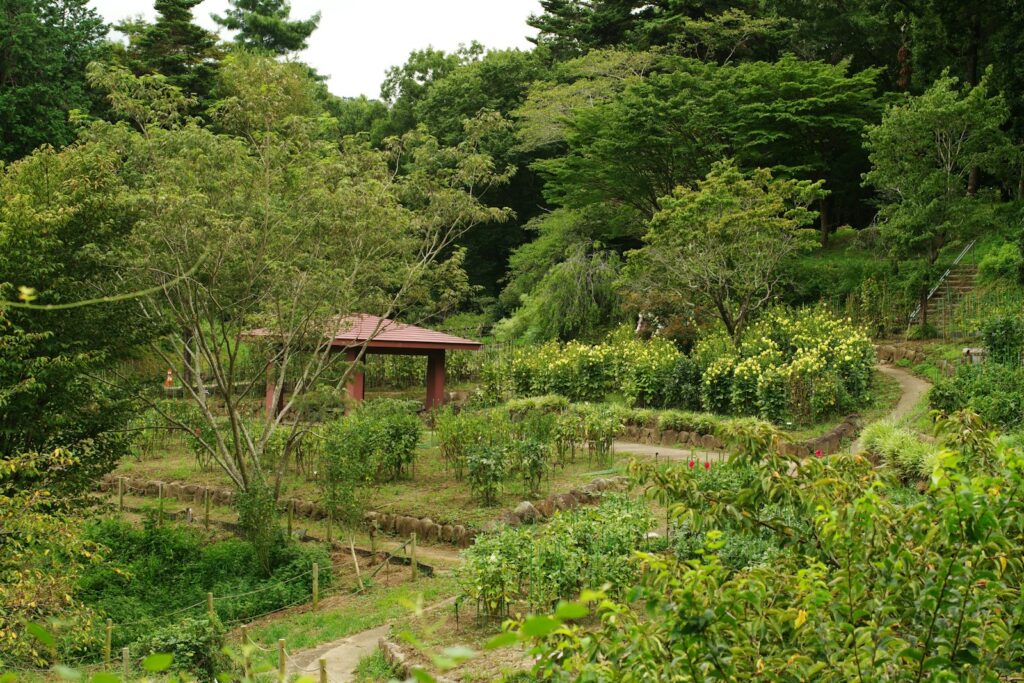
Maybe you’ve noticed more neighbors letting their lawns grow wild. The trend of rewilding is gaining ground across the country.
People are choosing native plants over traditional grass to help local wildlife and save water. Rewilding means less time mowing and watering, which many find appealing.
Social media campaigns like “No Mow May” encourage you to leave the mower in the shed for a while. This simple step helps pollinators thrive early in the year.
Many homeowners are adding signs to explain their wild gardens. Sharing your reasons can help others understand and maybe even join in. Rewilding is quickly becoming part of how communities reshape their neighborhoods.
Environmental Benefits of Low-Input Yards
Low-input yards make it easier to create healthy outdoor spaces while using fewer resources. You can save water and help local wildlife thrive, turning your yard into a small but important part of a natural system.
Reduction in Water Usage
Low-input yards use much less water than traditional lawns. Grass often needs daily watering, but native plants and natural landscaping are adapted to local climates.
These plants gather water efficiently and can often survive on rainfall alone. That means lower water bills and less waste.
Less watering also helps prevent soil erosion and runoff. Drought-tolerant plants keep your yard looking good even during water restrictions.
Enhanced Biodiversity Habitat
Replacing your lawn with native plants creates a haven for local animals. Butterflies, bees, birds, and other pollinators rely on these plants for food and shelter.
Low-input yards encourage a variety of insects and wildlife by providing plants that bloom at different times. This helps create a balanced ecosystem right in your backyard.
Benefits at a glance:
| Benefit | Impact |
|---|---|
| Saves Water | Lower bills, less environmental strain |
| Supports Wildlife | Increases local species diversity |
| Reduces Chemicals | Healthier soil and water |
Design Principles for Sustainable Yard Transformations
Transforming your yard into a sustainable space is about making smart choices that save water, reduce upkeep, and still look great.
Selecting the right plants and materials can make a big difference in how eco-friendly your yard becomes.
Choosing Native and Drought-Resistant Plants
Native plants are a powerful way to support the local environment and save water. They’re already adapted to your area’s climate and soil, so they need less watering and care.
Drought-resistant plants help you cut back on irrigation, especially during dry spells. Look for plants with deep roots and small leaves, as these traits help them hold water better.
Some popular options include lavender, sedum, and native grasses. Besides saving water, native and drought-tolerant plants attract birds and pollinators, adding life to your yard.
You’ll spend less time on maintenance like trimming and watering, freeing you up for more fun in your outdoor space.
Integrating Permeable Surfaces
Ever noticed how water pools on your driveway after a big rain? Permeable surfaces can help with that by letting water soak into the ground.
Materials like gravel, porous pavers, and wood chips work well for walkways and patios. Swapping out some of your concrete for these options can make a real difference.
This not only helps manage rainwater but can also keep your yard from flooding. Less standing water means fewer puddles to step around.
There’s another bonus: these surfaces help your yard stay cooler during those hot summer days. You end up with a space that’s comfortable and better for the environment.