Why Over-Potting Your Plants Can Stunt Their Growth and How to Avoid It
When it comes to potting plants, many gardeners believe that bigger is always better. The reasoning seems sound: larger pots provide more soil, which means more nutrients and space for roots to grow. However, this common belief can lead to what’s known as the “bigger pot” mistake—a misstep that can stall your plants’ growth for months. In this article, we’ll explore the reasons behind this phenomenon and provide practical guidance on how to choose the right pot size for your plants.
Understanding the Bigger Pot Mistake
At first glance, using a larger pot might seem like a logical choice. After all, a bigger container offers more room for roots to expand and access to more nutrients and moisture. However, when plants are placed in pots that are too large for their current root systems, it can create a variety of problems that hinder growth.
One major issue with over-potting is water retention. Larger pots hold more soil, which can lead to excess moisture around the roots if the plant isn’t able to absorb it quickly enough. This can create a soggy environment that promotes root rot and fungal diseases. Additionally, the larger volume of soil can take longer to warm up in cooler months, delaying the plant’s ability to grow and thrive.
Root Development and Soil Quality
Plants need to establish a healthy root system to support their growth above ground. When a plant is placed in a pot that is too large, it can lead to uneven watering and nutrient distribution. The roots may focus their energy on spreading out into the new soil rather than developing a robust system that can effectively absorb water and nutrients. This leads to a phenomenon known as “root bound” conditions, where roots become tangled and unable to access the resources they need.
Furthermore, the quality of soil in larger pots can be a concern. If you fill a large pot with low-quality soil or garden mix, the plant may struggle to find the nutrients it needs to thrive. It’s crucial to use a good-quality potting mix tailored to your specific plant type, whether it’s a succulent, herb, or flowering plant.
Finding the Right Pot Size
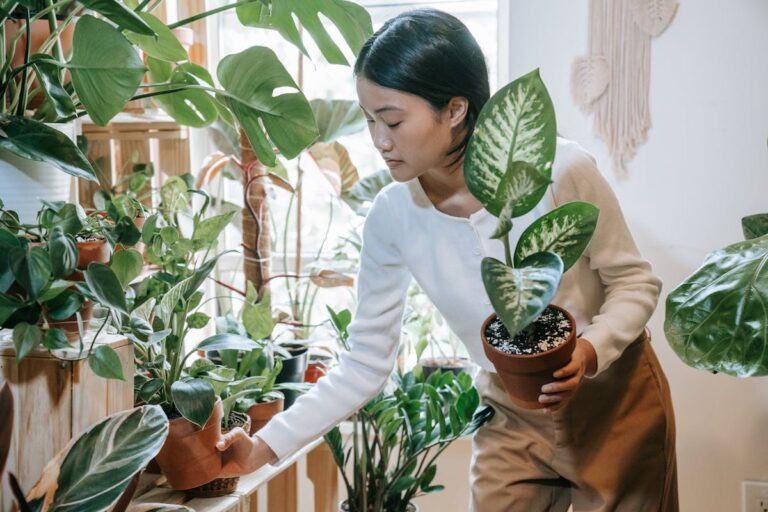
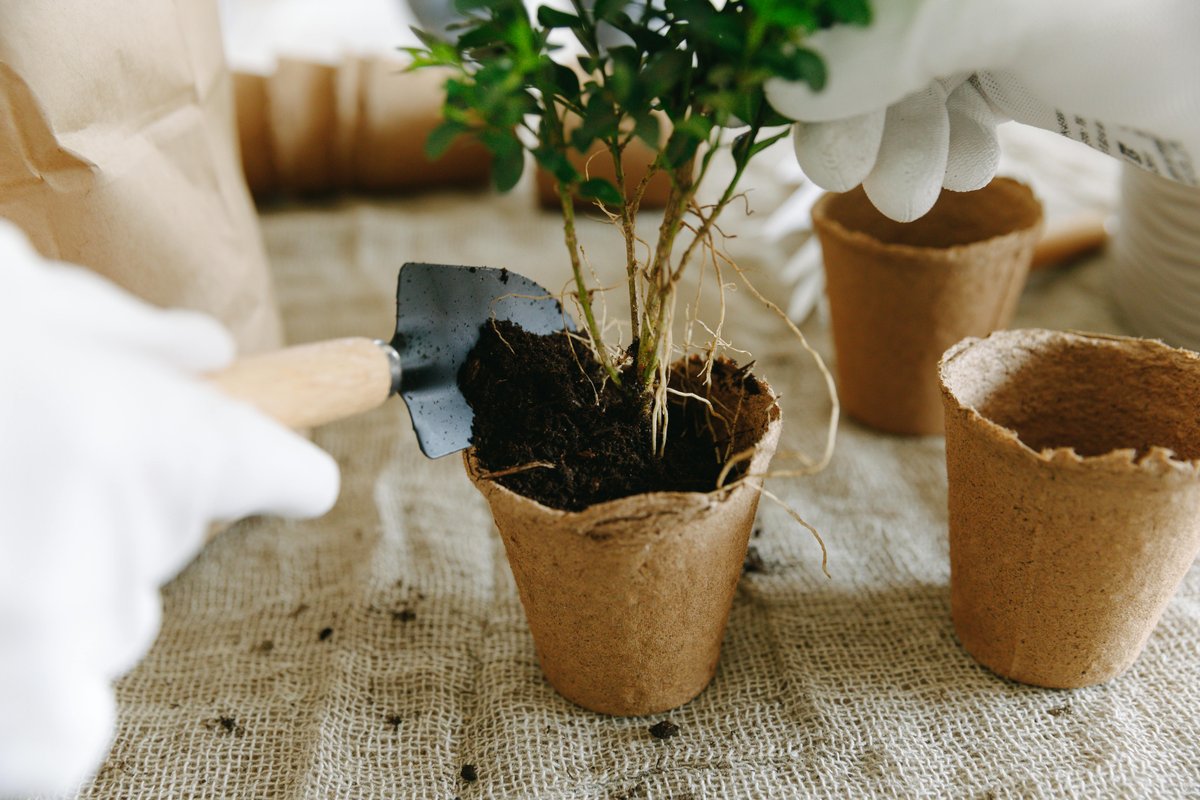
So how do you determine the right pot size for your plants? A general rule of thumb is to select a pot that is one to two inches larger in diameter than the plant’s current pot. For young plants or seedlings, you may only need to increase the pot size by one inch, while established plants may benefit from a two-inch upgrade. If you notice roots beginning to escape through the drainage holes, it may be time to repot into a larger container.
When selecting a pot, consider the following factors:
1. Root Size: Examine the plant’s root ball. If it’s tightly packed and circling the pot, it may be time to repot, but don’t go overboard with size.
2. Plant Type: Different plants have varying growth habits. Deep-rooted plants may need taller pots, while shallow-rooted plants can thrive in wider containers.
3. Growth Stage: Young plants or seedlings should be potted in smaller containers to encourage quick root establishment, while mature plants may need larger pots as they reach their full size.
4. Material: The pot material can also influence growth. Terracotta pots allow for better air circulation and drainage, while plastic pots retain moisture longer.
Watering Wisely
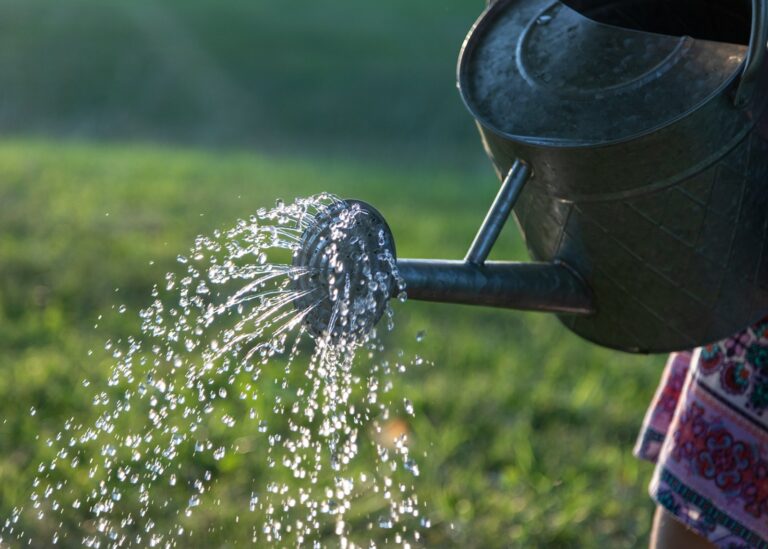
Once you’ve selected the right pot size, it’s essential to adjust your watering routine accordingly. Over-potting can lead to excess moisture, so it’s critical to monitor the soil moisture level closely. Use your finger to check the top inch of soil; if it feels dry, it’s time to water. Be wary of a pot that has no drainage holes, as this can lead to water pooling at the bottom and cause root issues.
Additionally, consider the growing season. During the active growing season (spring and summer), plants typically require more water, while in the dormant season (fall and winter), they need less. Adjust your watering habits based on the plant’s growth stage and the specific needs of each type.
Signs Your Plant is Stalled
If you’ve over-potted your plant, you may notice several signs that indicate stunted growth. These signs can include:
Yellowing leaves: This may suggest overwatering or nutrient deficiencies.
Wilting: If the plant is wilting despite adequate watering, it may be struggling with root issues.
Slow growth: If your plant seems to have halted in its growth, it may be time to re-evaluate its pot size.
By staying vigilant and proactively managing your plants, you can help prevent the negative effects of over-potting. If you suspect your plant is struggling due to being in a pot that’s too large, consider carefully repotting it into a more appropriately sized container.
Final Thoughts
Avoiding the “bigger pot” mistake is all about understanding your plants’ needs and ensuring they have the right environment to thrive. By selecting the appropriate pot size, maintaining quality soil, and adjusting your watering habits, you’ll set your plants up for success. Remember, gardening is a journey of learning and observation, so don’t hesitate to experiment and adapt as you grow your green thumb!