Why Some Gardeners Are Downsizing Their Gardens on Purpose To Embrace Simplicity and Sustainability
Ever feel like your garden is taking up more of your time than you expected? Some gardeners are choosing to make their gardens smaller on purpose. It’s not about giving up but about making gardening more enjoyable and fitting it into a busy life.
Many people find that a smaller garden is easier to manage and brings back the fun. When you focus on what you truly love, gardening feels less like a chore and more like a creative outlet.
Reducing physical strain and preventing back pain
Gardening can be tough on your back. All that bending and digging adds up fast.
Smaller gardens mean less heavy lifting and fewer aches. Using ergonomic tools can make your movements easier and help you avoid pain.
Taking breaks gives your muscles a chance to recover. Stretching before and after gardening keeps your body limber.
Building core strength with simple exercises like planks supports your back. Downsizing your garden makes all of this more manageable.
Making garden maintenance more manageable and fun
A smaller garden is much easier to care for. Less weeding, watering, and pruning means more time for things you actually enjoy.
Raised beds and container gardens let you stand while you work. This is easier on your body and gives you flexibility with plant placement.
Focusing on your favorite plants makes gardening feel rewarding again. You can try new designs and creative ideas without feeling overwhelmed.
Choosing low-maintenance plants keeps things simple. Drought-tolerant or slow-growing varieties look great with less effort.
A smaller garden often sparks creativity. With less space, you can really play with design and try out new ideas.
Freeing up time for travel and other hobbies
If you’ve ever skipped a trip because your garden needed attention, you’re not alone. Smaller gardens are easier to manage, so you have more free time.
Less garden work means you can plan more adventures. Traveling gets simpler when you’re not worried about plants back home.
Downsizing also frees you up to explore other hobbies. Whether it’s painting, biking, or cooking, a smaller garden gives you the balance to enjoy more of what you love.
Adapting to changing physical abilities with age
Gardening can feel different as you get older. Knees, backs, and hands might not be what they used to be.
You don’t have to stop gardening—just adapt how you do it. Raised beds and lightweight tools are a big help for tired joints.
Making your garden smaller means less bending and carrying. You can keep enjoying your hobby without wearing yourself out.
Simple adjustments, like sitting while you garden, can make a big difference. Your garden can grow with you as your needs change.
Creating a more sustainable and eco-friendly space
A smaller garden is often a greener garden. You use less water, energy, and other resources.
Drought-resistant plants need less watering. Natural pest control keeps pollinators safe.
Composting kitchen scraps reduces waste and feeds your soil. Using recycled or natural materials for paths and borders supports sustainability.
Native plants and wild areas invite wildlife to your garden. Even a small space can become a thriving eco-friendly haven.
Focusing on quality over quantity in plant selection
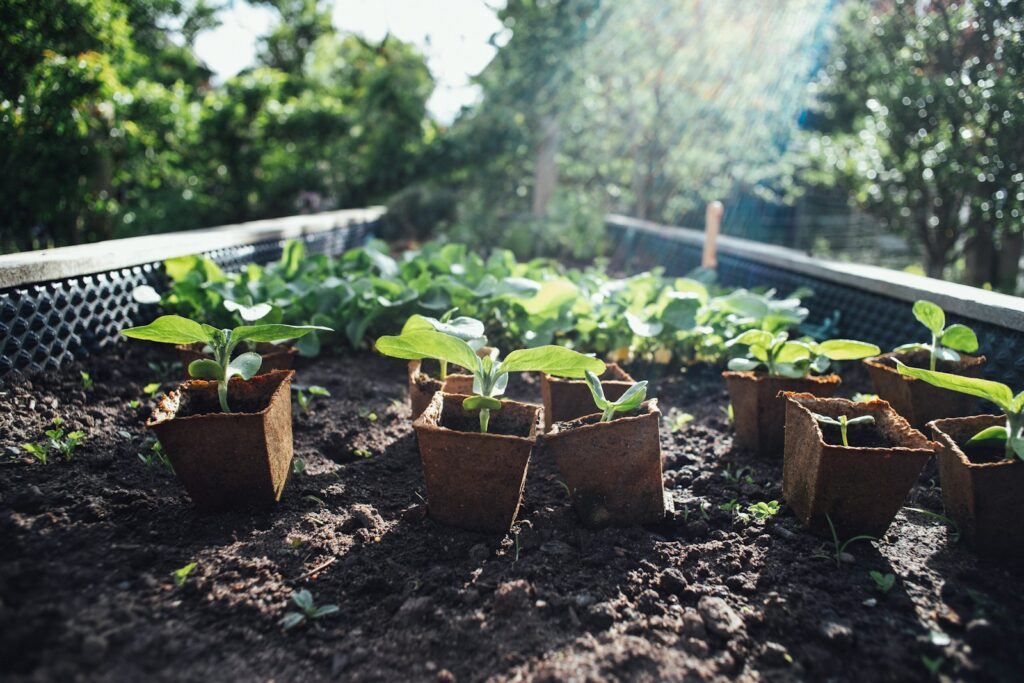
Having fewer plants doesn’t mean your garden is less beautiful. Choosing healthy, well-suited plants makes a bigger impact.
Pick plants that thrive in your soil and climate. This saves you time and money and means less replacement.
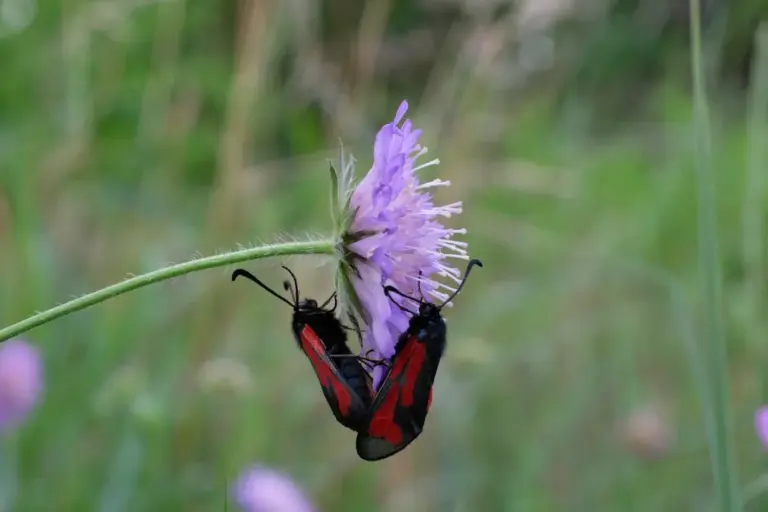
When you select plants that support pollinators, your garden helps the environment too. Carefully chosen flowers can attract a variety of bees and butterflies.
A smaller collection of strong plants makes your garden vibrant and easier to care for.
Simplifying with container and raised bed gardens
Containers and raised beds can make gardening a breeze. They give you more control over soil and water.
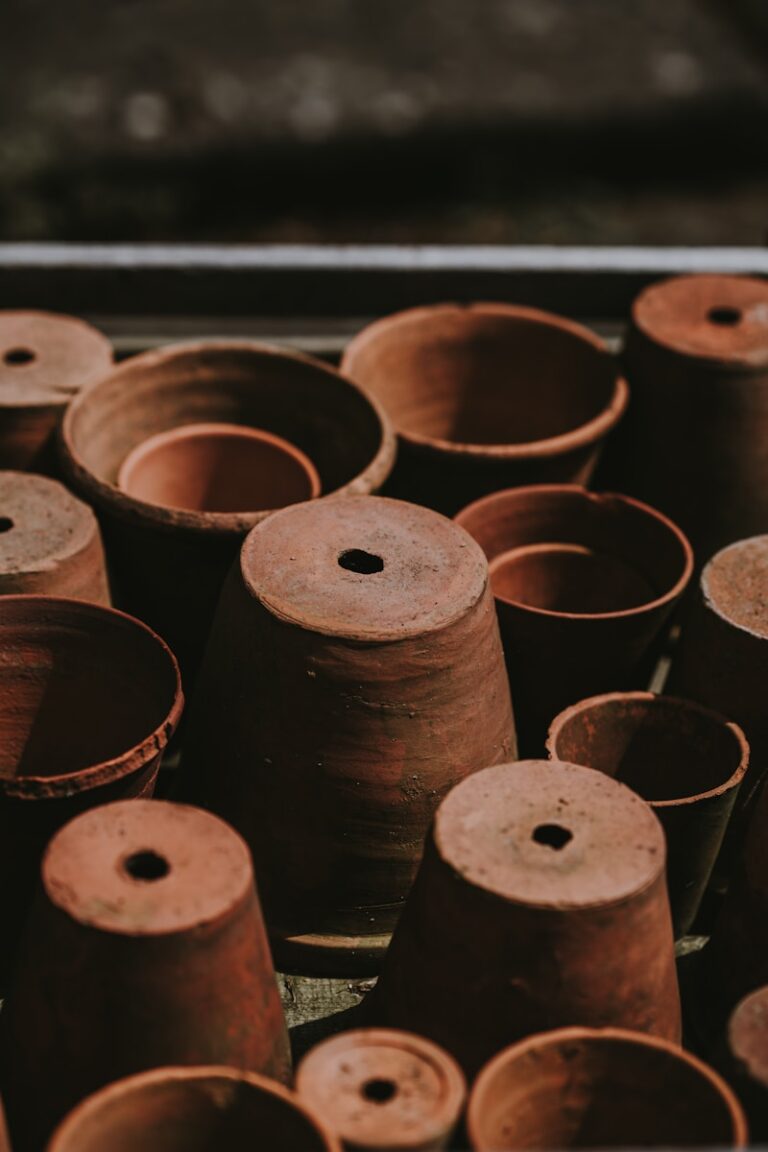
Containers are perfect for small spaces like balconies or patios. You can move them to catch the best sunlight.
Raised beds lift your plants to a comfortable height. This makes gardening less tiring and easier on your back.
Both methods help you use water more efficiently. Downsizing with these approaches turns gardening into a fun and manageable hobby.
Responding to space limitations after moving
Moving to a new place with less outdoor space? You can still have a garden you love.
Containers and raised beds let you grow a variety of plants in tight spots. They’re easy to move and care for.
Choose plants that fit your new space and lifestyle. Smaller or slower-growing varieties keep things looking full without extra work.
Downsizing doesn’t mean giving up—it’s a chance to discover new ways to enjoy gardening in your new home.
Easing the gardening workload to reduce stress
A big garden can sometimes feel like another job. When there’s too much to do, gardening loses its relaxing vibe.
Smaller gardens let you focus on your favorite plants. You get the benefits of gardening without feeling overwhelmed.
With less to manage, it’s easier to enjoy quiet moments. Watering a few plants or watching them grow becomes a peaceful break.
Less physical effort means gardening stays fun and energizing. You’ll look forward to being outside with your plants.
Prioritizing favorite plants and cutting less-loved ones
Downsizing is a great time to focus on what you love most. Keep the plants that make you happy and let go of the rest.
Letting go of less-loved plants frees up your energy. Your favorite plants get more attention and care.
Spending time with the plants you love makes gardening more rewarding. You’ll learn more about them and help them thrive.
If some plants feel like too much work, it’s okay to let them go. Your garden should bring you joy, not stress.
The Surprising Benefits of Downsizing a Garden
Changing the size of your garden can transform the way you enjoy it. A smaller space can make gardening easier and more creative.
Making Gardening More Manageable
With a smaller garden, daily chores get simpler. Less mowing, weeding, and pruning means more time to relax.
Focusing on a few key plants makes care less overwhelming. Raised beds or easy-care plants also reduce the effort needed.
You can keep your garden healthy and neat without hours of work each week.
Encouraging Creativity in Design
A smaller garden invites you to get creative with space. Containers, vertical planters, and unique bed layouts can all make a big impact.
You have the freedom to try bold colors or unusual plants. Each season, you can easily switch things up and keep your garden fresh.
Environmental and Lifestyle Factors Influencing Downsizing
Shrinking your garden can be good for both the planet and your daily routine. It’s a smart way to handle busy schedules and environmental challenges.
Responding to Climate Challenges
A downsized garden uses less water, which is crucial during droughts. You’ll also use fewer chemicals, helping protect local wildlife and water quality.
Focusing on resilient plants helps your garden survive heat waves and storms. This means your garden stays beautiful while saving resources.
Supporting Urban Living
City life often comes with limited outdoor space. Finding ways to make the most of that space can be a challenge.
Smaller gardens are easier to care for and fit into a busy schedule. You can still enjoy fresh vegetables, flowers, or herbs without feeling overwhelmed.
Gardening doesn’t have to take over your life. With a downsized garden, your green space feels rewarding and manageable.