Why Some Gardeners Are Letting Their Lawns Die on Purpose To Embrace Eco-Friendly Beauty and Save Water
Have you ever walked through your neighborhood and spotted a yard that looks a little wilder than the rest? It turns out, more people are letting their lawns die on purpose, and it is not just about being lazy or giving up on yard work.
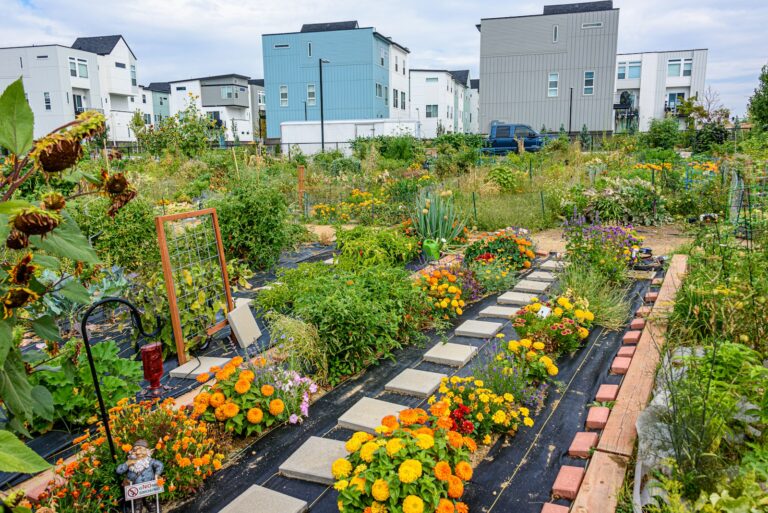
Some folks are rethinking what a yard should look like and are making space for plants that fit the local environment better. This new approach can actually make your garden more alive, save water, and even cut down on the time you spend mowing.
You could save water, help local wildlife, and reduce chores just by letting your lawn grow naturally. There is something freeing about watching your yard become a little wilder and more useful for the environment.
Promoting native wildflowers to boost pollinators
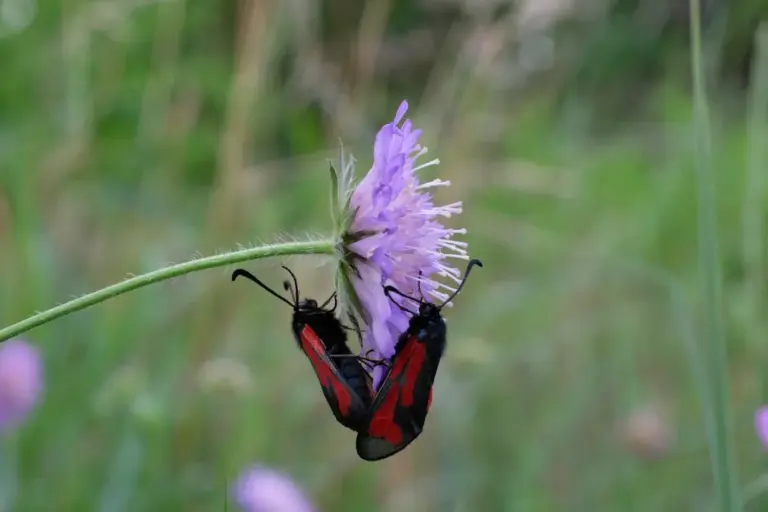
Letting parts of your lawn go wild can turn your yard into a haven for native wildflowers. These flowers are a magnet for pollinators like bees and butterflies.
Native wildflowers are already suited to your climate and soil, so they thrive with less fuss. By allowing them to grow, you are giving pollinators a steady supply of nectar and pollen throughout the season.
You will also notice more birds and other wildlife stopping by. These plants often need less water and care than traditional grass.
Their deep roots help keep the soil healthy and prevent erosion. Choosing native plants means you are supporting a whole ecosystem, not just growing flowers.
Your wild lawn becomes a colorful, buzzing sanctuary for pollinators to thrive.
Reducing water waste by skipping lawn irrigation
Cutting back on watering your lawn can make a huge difference in your water use. Lawns take up nearly one-third of all residential water use in the U.S. every day.
When you let your grass grow naturally, it creates habitats for bees and butterflies. These pollinators are crucial for the health of your garden and the planet.
Letting your lawn dry out can lower your water bill and reduce your carbon footprint. Plus, you get a break from running the mower all the time.
If you do water, try doing it early in the morning or late in the evening. Collecting rainwater or using smart watering systems can help too.
Watering less is a simple way to fight water waste and help your yard support the environment. Small changes can add up to a big impact.
Supporting bee populations with ‘No Mow May’ initiatives
Have you heard about No Mow May? It is a movement where you skip mowing your lawn for the month of May.
Letting your grass and wildflowers grow gives bees and other pollinators a much-needed food source after winter. Your yard becomes a mini habitat, and bees can easily find nectar and pollen.
Some bees even nest in the tall grass and flowers. This simple act can boost the number and variety of bees in your neighborhood.
Mowing less also means you use fewer chemicals like fertilizers and pesticides. That is good news for bees, since many chemicals can harm them.
You do not have to keep your lawn wild all year. Just giving nature a month to recover can make a real difference for pollinators.
Creating Homegrown National Parks at home
Imagine turning your yard into a mini national park. Planting native trees, shrubs, and flowers can help birds, insects, and other wildlife feel at home.
Replacing grass with native plants is a great place to start. Lawns require lots of water and care but do not offer much to local wildlife.
Even if you only have a small space, adding native plants helps restore nature bit by bit. You can even connect with others who are doing the same and track your progress online.
Native plants usually need less water and attention. Your yard becomes a lively, green space that is good for you and for nature.
Transforming lawns into wildlife-friendly habitats
Picture your lawn filled with colorful wildflowers and tall grasses swaying in the breeze. This kind of yard invites birds, bees, and butterflies to visit.
Planting native wildflowers and grasses gives local wildlife the food and shelter they need. It is a simple way to help reverse the loss of natural habitats.
Avoiding chemicals makes a big difference. Pesticides and herbicides can hurt the insects and animals you are trying to attract.
Letting parts of your lawn grow naturally creates a safe haven for pollinators and small mammals. Every flower and blade of grass you add helps nature thrive.
Cutting chemical use by abandoning synthetic fertilizers
Switching away from synthetic fertilizers can really improve your lawn’s health. These chemicals may give fast results, but they often harm the soil over time.
Choosing natural alternatives helps your grass grow stronger and more resilient. You will spend less on fertilizers and deal with fewer pests and weather problems.
Cutting out synthetic fertilizers also reduces water pollution. Chemicals often wash into streams and rivers, so using less helps protect your local environment.
Try compost, mulch, or even planting legumes to add nutrients to the soil naturally. Your garden becomes part of a healthy ecosystem, working with nature instead of against it.
Encouraging biodiversity with mixed plantings
Mixing up the plants in your garden brings your yard to life. Planting a variety of species together, or polyculture, attracts more pollinators like bees and butterflies.
Grouping native plants makes it easier for wildlife to find food and shelter. Birds, butterflies, and helpful insects will visit more often.
Mixed plantings help keep your soil healthy. Different plants support different soil microbes, helping your garden resist pests and diseases naturally.
A diverse garden saves water and creates much-needed habitats. Letting your lawn become more varied is a simple way to help nature from your own backyard.
Combating insect decline through natural landscaping
Changing the way you care for your yard can make a real difference for insects. Swapping out some lawn for native flowers and wild plants gives bees and butterflies a place to thrive.
Leaving parts of your yard a little wild helps insects find food and shelter. Lawns alone do not offer much for bugs, but adding diverse plants invites them in.
Cutting back on pesticides is key. Chemicals can harm the good bugs along with the bad ones.
Even mowing less often helps. Taller grass and wild patches make better homes for pollinators and other helpful insects.
By choosing natural landscaping, you get a garden full of life and color. Helping insects is an easy way to support nature right outside your door.
Saving time and money on lawn maintenance
Ever feel like you spend too much time and money on your lawn? Between mowing, watering, and fertilizing, it can add up to a lot of work.
Letting your lawn grow wild or swapping in native plants can save you hours each year. Native plants need less water and fertilizer, so you spend less and keep more cash in your pocket.
Lawn care products and equipment are expensive. Reducing your lawn’s needs means you have more free time and money for other things.
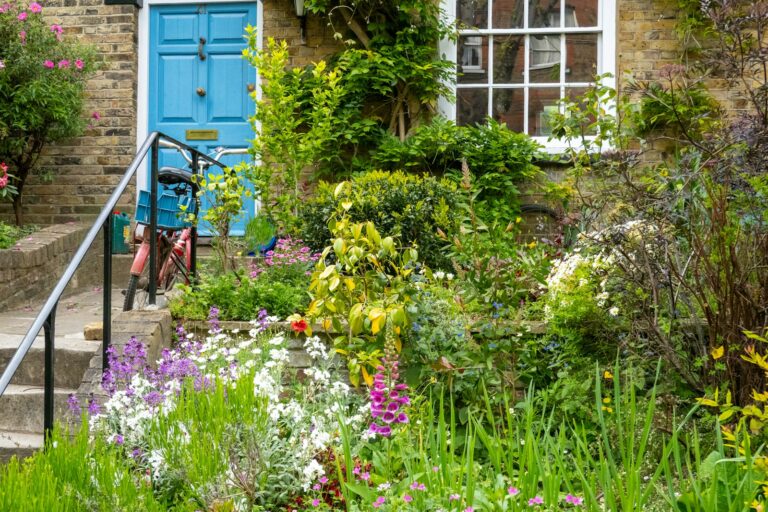
Low-maintenance landscaping does not have to look messy. You can create beautiful spaces that support wildlife and are still easy to care for.
Joining the re-wilding movement for sustainability
Getting involved in the re-wilding movement is easier than you might think. Letting nature take the lead in your yard means planting native flowers, grasses, and shrubs that support local wildlife.
You will spend less time mowing and watering, which is good for the environment and your schedule. Your garden becomes more diverse, and you might spot new plants and animals you have never seen before.
Wild plants store more carbon in the soil, helping to fight climate change. Diverse ecosystems are also stronger against extreme weather.
By re-wilding your space, you can inspire your neighbors to join in and create a patchwork of natural, sustainable yards. Every bit of wild space helps.
Ecological Benefits of Letting Lawns Go Brown
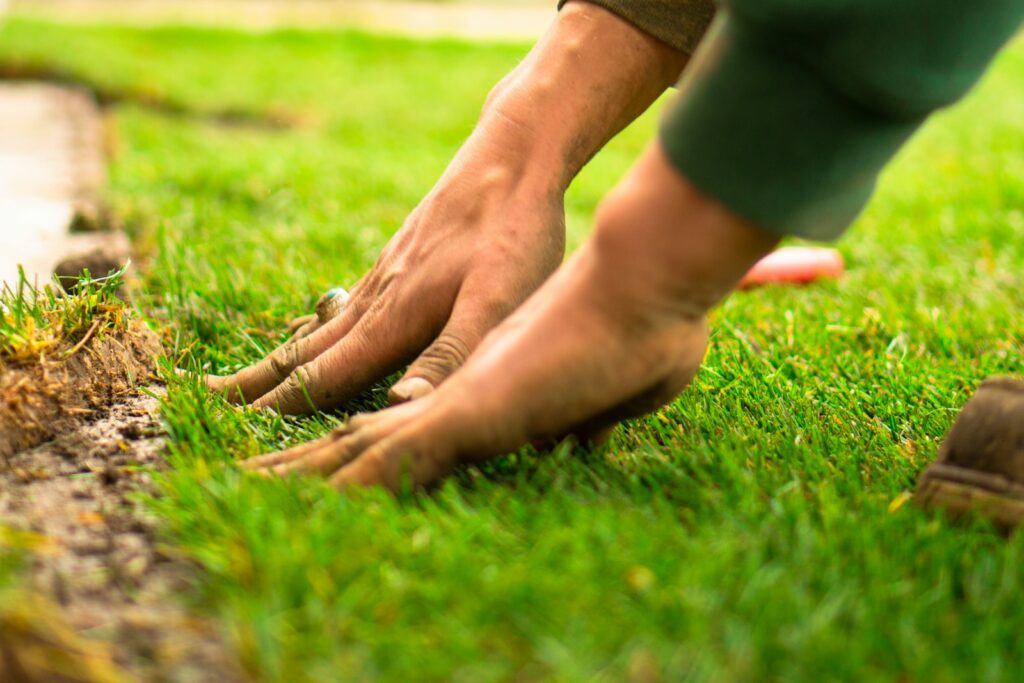
Letting your lawn go brown is about more than just saving water. It can turn your yard into a better place for wildlife and help you use natural resources more wisely.
This simple change can make your yard an important part of supporting nature and protecting the planet.
Supporting Biodiversity in Urban Spaces
When your lawn turns brown, other plants start to grow. These new plants attract bees, butterflies, and other helpful insects.
Natural-looking lawns give birds, small mammals, and beneficial bugs a place to find food and shelter. Your yard becomes a mini ecosystem instead of just a patch of grass.
This diversity keeps pests in check naturally, so you may not need as many chemicals. Changing up your lawn can bring more life to your neighborhood.
Reducing Water Usage and Promoting Sustainability
A green, lush lawn uses a lot of water, especially in the summer. Letting your grass go brown means it goes dormant and needs much less water.
Water conservation helps lower your bills and eases the strain on local water supplies. Using less water also means less energy is needed to pump and treat it.
Dormant grass usually bounces back when it rains or cools off. Skipping extra watering saves you time and effort while helping the planet.
Shifting Attitudes Toward Lawn Care
People are starting to see lawns differently these days. Instead of just neat green spaces, more folks are viewing their yards as a way to help the environment.
This shift means making choices that support nature and save time. Your lawn can be more than just grass—it can be a part of something bigger.
Reevaluating Traditional Lawn Aesthetics
Remember when everyone thought the best yard was a flawless stretch of bright green grass? These days, more people are starting to question that idea.
The old approach of constant mowing and watering often wastes resources. It can also make it tough for local wildlife to thrive.
Now, there’s a growing trend of letting lawns look a little wilder. Allowing the grass to grow taller or letting wildflowers pop up brings a more natural feel to your yard.
This shift means using fewer chemicals and less water. It also supports pollinators like bees and butterflies, and gives birds a place to visit.
Choosing a less-manicured lawn doesn’t mean you’re ignoring your yard. It’s about finding a healthier balance and working with nature instead of against it.
The Movement Toward Native Landscaping
Have you ever looked at your yard and wondered if it could be doing more? More gardeners are swapping out plain grass for native plants that actually thrive in your area.
Native plants grow well in your local soil and climate. You end up spending less time watering and feeding them.
These plants also attract more bees, butterflies, and birds than a typical lawn does. Local wildlife relies on native flowers and plants for food and shelter.
Adding native plants can make your yard feel wild and alive. You might even discover new pollinator-friendly or edible plants to try.
Choosing native landscaping helps your yard become a small but important part of supporting local ecosystems. It is a simple change that can have a real impact.