Why Some Gardeners Love Their Gardens More After Letting Them Get Messy
Sometimes, the gardens we love most aren’t the ones that look perfect in every way. There’s a certain charm in seeing plants wander, leaves pile up, and flowers pop up where you least expect them.
Letting your garden get a little messy can actually make it feel more alive. You might find yourself enjoying the space in a whole new way.
You can feel a deeper connection to your garden by embracing its natural, unplanned state instead of trying to control every detail. This approach opens up new ways to enjoy your outdoor space.
Gardening starts to feel less like a checklist and more like a little adventure. Letting go of perfection might be the key to loving your garden even more.
Encourages biodiversity by providing habitat for wildlife
A garden with a bit of wildness becomes a magnet for all kinds of wildlife. Wildflowers, tall grasses, and fallen leaves offer food and shelter for birds, insects, and small animals.
Bugs like bees and butterflies are drawn to the variety in a less tidy garden. These insects help pollinate flowers and vegetables, making your garden healthier and more productive.
You’ll spot more birds, too, which help control pests naturally. Messy gardens often include native plants, which are best for supporting local wildlife.
These plants provide the food and shelter animals need to survive through different seasons. When you allow spots of wild growth, you give wildlife a safe space to live and thrive.
Your garden becomes a small but important ecosystem. The mix of plants and natural debris builds a balanced environment.
It’s exciting to watch how life returns when you step back and let nature take the lead.
Boosts soil health through natural decomposition
Letting your garden get a bit messy invites helpful natural processes. One of the best is decomposition, when dead leaves and plants break down into nutrient-rich material.
This natural decay feeds the soil with important nutrients. It creates compost right in your garden without extra work from you.
Your soil becomes richer, holds water better, and supports more life like earthworms and beneficial microbes. You might notice healthier plants growing stronger after a while.
That’s because the nutrients from decomposed material slowly get released and feed plant roots. By allowing plant remains to break down where they fall, you help the soil build structure.
This keeps the soil loose and airy, making it easier for roots to grow deep and absorb water. It’s like giving your garden a natural boost that lasts season after season.
Reduces garden maintenance time and stress
A garden that’s a little wild means less time spent worrying about every detail. You don’t have to prune perfectly or pull every single weed right away.
This means less pressure to work in the garden all the time. A relaxed garden lets you enjoy the space more.
Instead of stressing about keeping everything neat, you focus on the things you really like. Messy gardens often create natural spots for plants to grow without extra work.
You might find wildflowers popping up or beneficial insects visiting without you having to do much. That saves you time while helping your garden stay healthy.
Spending less time on strict upkeep also lowers your stress. Gardening is supposed to be relaxing, and when you aren’t rushing to finish a list of tasks, you can really enjoy being outside.
Your garden becomes a place where you can breathe and feel calm.
Creates a dynamic, ever-changing landscape
Letting your garden be a bit messy means your landscape is always changing. Plants grow and spread in new directions, creating surprising patterns and colors.
Your garden never looks the same twice. You might find new flowers popping up or vines weaving through unexpected spots.
This natural shift keeps your garden fresh and interesting throughout the year. Instead of a fixed design, your space feels alive and full of stories.
Messy gardens invite movement and life. You can see how different plants interact with each other and how the seasons shape the scene.
This dynamic feel reconnects you with nature and makes your outdoor space a place you want to explore again and again.
Promotes natural pest control with companion planting
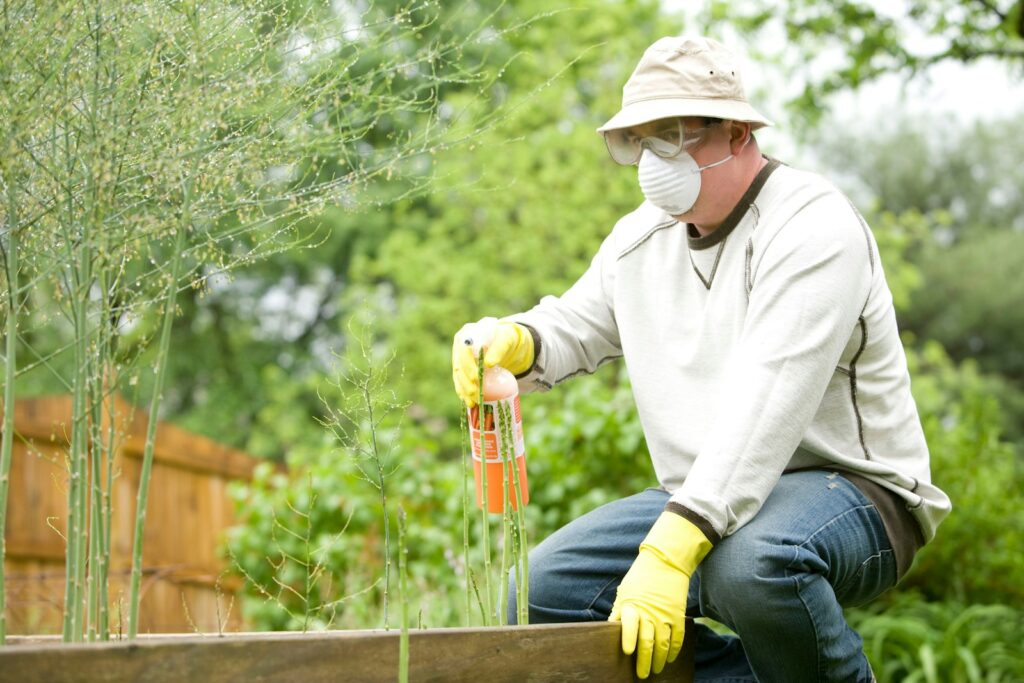
A garden that’s a little untidy is perfect for companion planting. Planting different types close together means they help each other out.
Some plants can keep pests away naturally, protecting your garden without chemicals. For example, marigolds planted near tomatoes can stop bugs that want to eat your plants.
Basil works well with peppers, making the garden a less tasty spot for pests. You don’t need sprays because the plants do the work for you.
A messy garden also brings beneficial insects like ladybugs and bees. These insects eat harmful bugs and help plants grow better.
By mixing plants, you boost the garden’s balance and health naturally. Companion planting helps your garden stay lively and strong.
As you create this wild, friendly space, pests find it harder to ruin your plants. Your garden becomes more peaceful, and you get to enjoy a healthier, happier space.
Transforms fallen leaves into free mulch and insulation
Fallen leaves in your yard can turn into a free supply of mulch. Instead of raking and throwing them away, let them pile up a bit.
When shredded or crushed, leaves break down faster and become a soft mulch you can spread around your plants. This mulch helps keep the soil moist and stops weeds from growing.
It also adds nutrients back into the soil as the leaves decompose. By using leaves this way, you save money and reduce waste.
Leaves also act like natural insulation for your garden. During colder months, a layer of leaves protects plant roots from freezing temperatures.
This simple step can help your garden survive winter better. Letting your garden get a little messy with leaves creates a natural, healthy environment.
It’s one of the easiest ways to care for your plants without much work.
Supports pollinators with diverse flowering plants
Letting your garden get a bit messy creates a perfect home for pollinators. Different flowers with various shapes, sizes, and colors attract a wide range of bees, butterflies, and hummingbirds.
This mix helps more pollinators find the food they need. By including native plants and herbs, you support local pollinators that rely on specific flowers.
Some pollinators only visit certain plants, so having a variety helps them all thrive. Your garden becomes a buzzing, colorful hub full of life.
A messy garden often means plants grow at different heights and spread out naturally. This creates shelter and safe spots for pollinators to rest and lay eggs.
You’re not just growing flowers; you’re building a mini ecosystem that nourishes and protects wildlife. With every flower you leave standing, you invite more pollinators to visit.
This lively activity is a sign your garden is healthy and alive.
Enhances gardening creativity and personal expression
A little mess in the garden opens up space for creativity. You can experiment with different plants and ideas without worrying about strict rules.
This freedom helps you try things that might not work in a tidy, perfect garden. A messy garden encourages you to play with colors, shapes, and textures in fresh ways.
You decide how wild or calm your space looks. Your garden becomes a canvas where your personality shines through every leaf and flower.
You also learn to see beauty in surprise and imperfection. This boosts your creative thinking because gardening is about adapting and growing.
Your messy garden shows your unique style. It’s not just about plants—it’s about you expressing yourself through nature’s chaos.
Improves water retention with organic ground cover
Organic ground cover can help your garden hold water much better. When you let plants grow close to the soil, they create a natural blanket.
This layer protects the soil from drying out too fast. Organic ground cover also adds valuable organic matter to your soil.
As leaves and stems break down, they mix with the soil, improving its structure. This makes the soil better at absorbing and keeping water.
Your plants get more moisture right when they need it. By letting ground cover grow, you keep rainwater from running off too quickly.
Instead, water sinks into the soil where roots can reach it. This means less waste and healthier plants.
You don’t need fancy tools or chemicals. Just allowing your garden to get a bit messy with ground covers can make a big difference.
Turns waste recycling into a garden asset
Letting your garden get a little messy opens the door to some amazing natural recycling. Fallen leaves, cut branches, and other plant scraps aren’t just trash.
They become valuable stuff that feeds your soil and helps your plants grow stronger. You can easily turn these scraps into compost.
Composting is like making a natural fertilizer right in your backyard. It breaks down your garden waste and kitchen scraps into rich, dark soil.
This “black gold” improves your garden’s health by adding nutrients and keeping the soil moist. By recycling waste in your garden, you also cut down on garbage that ends up in landfills.
This helps the environment by reducing pollution and waste. Plus, you’ll notice your garden looks more lively and full of life, even if it’s a little messy.
Your plants will thank you for it.
The Surprising Benefits of a Messy Garden
A messy garden might look wild, but it does much more than just add character. When you let nature take the lead, you create spaces where many types of plants and animals can thrive.
This approach supports life in ways you might not expect, and it helps important insects find food and shelter.
Boosting Biodiversity Naturally
By allowing different plants to grow freely, you invite a variety of insects, birds, and small animals into your garden. You don’t have to do much—just leave some areas less tidy.
This patchwork of plants turns your yard into a mini ecosystem. Different species coexist, which makes your garden stronger and healthier.
Native plants and even so-called weeds become valuable food and shelter sources. You might see more birds, butterflies, and beneficial insects that help keep pests under control.
Your soil also benefits, as natural plant decay adds nutrients and supports microbes.
Think of your garden as a small wilderness where life supports life in a cycle. You help biodiversity without extra effort.
Creating a Haven for Pollinators
Pollinators like bees and butterflies need a steady supply of flowers and safe places to rest. Messy gardens provide exactly that with a mix of blooming plants, seed heads, and leaf piles.
When you avoid clearing dead plants or cutting back too soon, you keep valuable food sources available longer. These insects rely on the variety and timing of flowers to survive through different seasons.
A messy garden adds layers—tall plants, low ground cover, and hollow stems—that pollinators use for nesting and shelter. This mix creates a friendly environment, encouraging more pollinators to visit.
By welcoming a bit of chaos, you support the tiny creatures that play a huge role in growing fruits, vegetables, and flowers in your garden.
Embracing Wildlife Through Imperfection
When you let your garden get a bit messy, it changes how plants and animals live in it. Leaving space for wild plants and natural, untrimmed areas invites more creatures to make your garden their home.
This creates a lively place filled with sights and sounds you might not expect.
Supporting Local Ecosystems
By allowing some plants to grow wild, you support local insects, birds, and small animals. Leaving fallen leaves, old stems, and untidy patches gives shelter and food for pollinators like bees and butterflies.
These creatures help your garden thrive by spreading pollen and controlling pests naturally. You might also notice more birds visiting to eat insects or find nesting spots.
This natural balance reduces the need for human-made fixes like pesticides. Instead, your garden becomes a mini ecosystem, where every part works together.
Discovering Unexpected Visitors
Have you ever noticed how a slightly untamed garden seems to buzz with life in ways a perfectly trimmed one doesn’t? Leaving things a bit wild can lead to some interesting surprises.
You might spot frogs tucked beneath a pile of leaves. Ladybugs could turn up, busy hunting for pests among the plants.
Sometimes, you’ll even see small mammals or unusual birds making a quick stop thanks to all the cozy hiding spots. Hearing a cricket at dusk or glimpsing a hedgehog can turn an ordinary evening into something memorable.
Every unexpected guest brings a new story and a reminder of how much life your garden quietly supports.