Why Some Gardeners Refuse to Grow Tomatoes Anymore
Tomatoes often top the list of plants people want to grow, but lately, more gardeners are stepping away from them. If you’ve ever struggled with tomato plants, you know how quickly those dreams of juicy homegrown fruit can turn into frustration.
Growing tomatoes comes with its own set of challenges. Many people find themselves rethinking whether the effort is worth it.
Tomatoes can be hard to care for, facing problems like poor growth, disease, and pests. If you’ve found yourself battling with tomato plants year after year, you’re definitely not alone.
Tomato plants are incredibly fussy and sensitive to environmental changes
Tomato plants can be surprisingly picky. They need the right amount of sunlight, water, and space to thrive.
Even small changes in their environment can cause problems. If your tomato plants don’t get enough direct sunlight, you might see fewer flowers or fruit.
Planting them too close together leads to shading and lower yields. Temperature swings matter too.
Too hot or too cold, and your plants can start to struggle. Tomatoes react quickly to their surroundings, almost like tiny weather reporters.
Watering is another area where things can go wrong. Too much water can drown roots, while too little leaves the plant wilting.
Finding the right balance can feel like a constant guessing game. For many, the effort starts to outweigh the reward.
Many gardeners struggle with overwatering leading to root rot and poor growth.
It’s easy to think more water equals better growth, but tomatoes don’t work that way. Overwatering can suffocate roots and cause root rot.
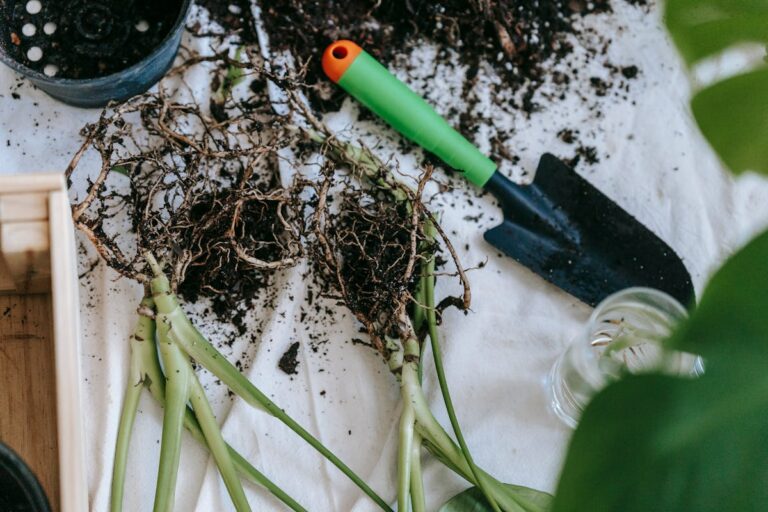
When soil stays soggy, roots can’t get the oxygen they need. This leads to brown, mushy roots and stunted plants.
If your tomato plants wilt even though the soil is wet, overwatering is likely the culprit. Leaves may yellow or drop, and growth stalls.
Letting the soil dry out between waterings helps prevent these issues. Good drainage in pots or garden beds is also important.
It’s a tough lesson for many gardeners: sometimes less is more when it comes to water.
Tomatoes need perfectly balanced soil pH, which is tricky to maintain.
Soil pH might not be top of mind for most gardeners, but tomatoes are picky about it. They prefer a range between 6.0 and 6.8.
If the pH is off, your plants can’t absorb nutrients well, leading to smaller, weaker tomatoes. Rain, fertilizer, and previous crops can all shift soil pH over time.
Testing and adjusting soil pH is a regular chore. Add too much lime or sulfur, and you risk harming your plants.
It’s a lot to keep track of, especially if you just want to enjoy a few homegrown tomatoes.
Pests like aphids and hornworms can devastate tomato crops quickly.
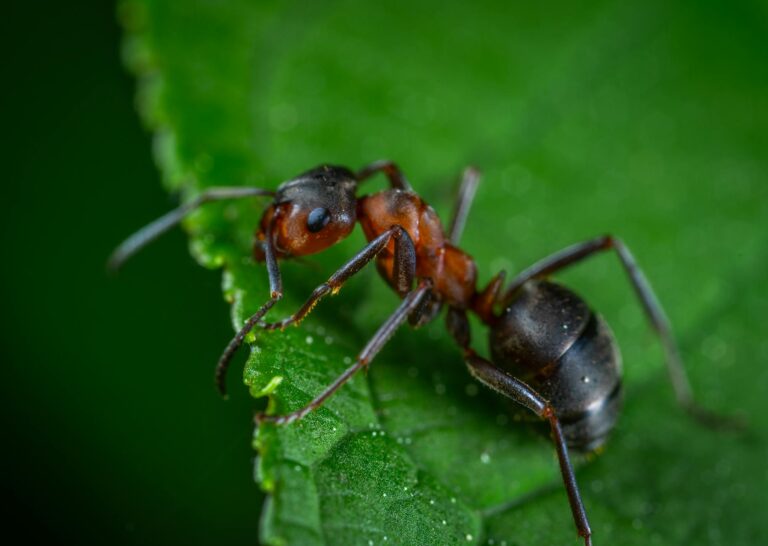
Tomato plants seem to attract pests from miles around. Aphids are tiny but multiply fast, sucking sap and causing curled, yellow leaves.
Hornworms are much larger and can strip a plant bare in days. If you spot one, you need to act fast to save your crop.
Both pests weaken plants and reduce your harvest. Checking plants regularly and removing pests by hand can help, but it’s an ongoing battle.
Natural solutions and close observation can make a difference, but it’s easy to see why some gardeners get fed up.
High temperatures can stunt growth and cause flowers to drop before fruit forms
Hot weather can make tomato growing extra challenging. When temperatures soar, plants often slow down or stop growing.
Flowers may fall off before turning into fruit, especially when it’s between 75°F and 95°F. This is called flower drop and can be discouraging when you’re waiting for tomatoes to form.
High heat can also affect the color and flavor of your tomatoes. Fruit might stay green or yellow instead of ripening properly.
If you live in a hot climate, you have to work harder to keep plants cool. Mulching and shading can help, but it’s not always enough.
Tomato plants often suffer from nutrient deficiencies that are hard to diagnose
Tomatoes need a variety of nutrients to thrive. If even one is missing, you might see leaves turning yellow or fruit developing odd spots.
Sometimes, growth just seems to slow for no clear reason. Soil pH can make it harder for plants to take up nutrients, even if they’re present.
Diagnosing which nutrient is missing isn’t always easy. The symptoms can look similar for different problems.
You can spend a lot of time guessing and adjusting, which can be exhausting.
Some gardeners get frustrated with continuous disease issues like blight.
Blight is one of those tomato diseases that can ruin your crop in a hurry. Dark spots appear on leaves and spread quickly.
Plants can wilt or die before you harvest any fruit. It’s a tough setback after weeks of care.
Other diseases, like powdery mildew, can also show up. Repeated battles with these problems can wear down your enthusiasm.
If you don’t catch issues early, they can destroy your whole crop. For some, it’s just not worth the hassle year after year.
Tomatoes require consistent pruning, which many find tedious and complicated
Pruning is part of tomato care if you want healthy plants and good fruit. You need to remove suckers and keep the plant open for air and light.
If you skip pruning, your plants can get crowded and more prone to disease. Knowing when and where to prune isn’t always obvious.
Indeterminate tomatoes need pruning all season, while determinate types need less. Keeping up with it can feel like a never-ending job.
Worrying about cutting too much or in the wrong spot adds to the stress. For many, pruning becomes more of a chore than a joy.
Self-pollinating tomatoes can still suffer if planted too closely, limiting fruit production.
Even though tomatoes can pollinate themselves, crowding them causes problems. Plants compete for sunlight, water, and nutrients.
Tightly packed plants also block airflow, increasing the risk of pests and disease. You might see plenty of blooms but fewer fruits.
Giving tomato plants enough space helps them produce more and stay healthier. Proper spacing is a simple fix that’s easy to overlook.
Flower drop is common and discouraging when pollination conditions aren’t ideal.
Flower drop happens to many tomato growers. Healthy-looking plants lose their flowers before fruit forms.
Poor pollination is often the cause. Weather that’s too hot or cold, or a lack of wind or pollinators, can make things worse.
Other stressors like sudden temperature changes or uneven watering also play a role. When these add up, flower drop becomes more likely.
Hand-pollinating or adjusting watering routines can help. Small changes might give your tomatoes a better chance at setting fruit.
The Changing Appeal of Tomato Gardening
Tomato gardening feels different these days. Many people are looking for plants that are easier to care for and fit into their busy lives.
Shifts in Gardening Trends
Low-maintenance plants are becoming more popular. Tomatoes need regular attention, from pruning to feeding and pest control.
Gardeners are also branching out to herbs, salad greens, and native flowers. These often take less space and are quicker to grow.
Pest and disease worries are another reason for the shift. Plants that can handle more neglect are winning people over.
Influence of Modern Home Gardens
Modern gardens are about variety and looks. Instead of one big tomato plant, you might plant flowers or herbs that add color and interest.
Urban gardening means smaller spaces, like balconies or tiny yards. Tomatoes need lots of sun and space, making them harder to fit in.
Busy schedules also play a role. People want plants that don’t need constant attention and still give quick results.
Tomatoes sometimes just don’t fit into this new way of gardening.
Health and Environmental Considerations
Tomato growing can raise questions about health and the environment. These concerns influence what people choose to plant.
Concerns About Pesticide Use
Many gardeners use pesticides to protect tomatoes from pests and disease. These chemicals can harm helpful insects and leave residues.
Pesticide use can also lead to resistant pests, making problems worse over time. Organic options like neem oil or insecticidal soap are alternatives.
Reducing pesticides helps protect your garden, your health, and the environment. Sometimes, that’s enough to make gardeners choose other crops instead.
Soil Degradation and Crop Rotation
Ever noticed your tomato plants not looking as good as they used to? Growing tomatoes in the same spot year after year can leave the soil tired and lacking nutrients.
This often results in weaker plants and smaller harvests. Giving the soil a break can make a big difference.
Switching up what you plant each season helps the soil recover. For example, growing beans after tomatoes can actually put nitrogen back into the ground.
Rotating crops also helps prevent soil diseases from building up. Your plants stay healthier, and your garden soil stays in better shape.