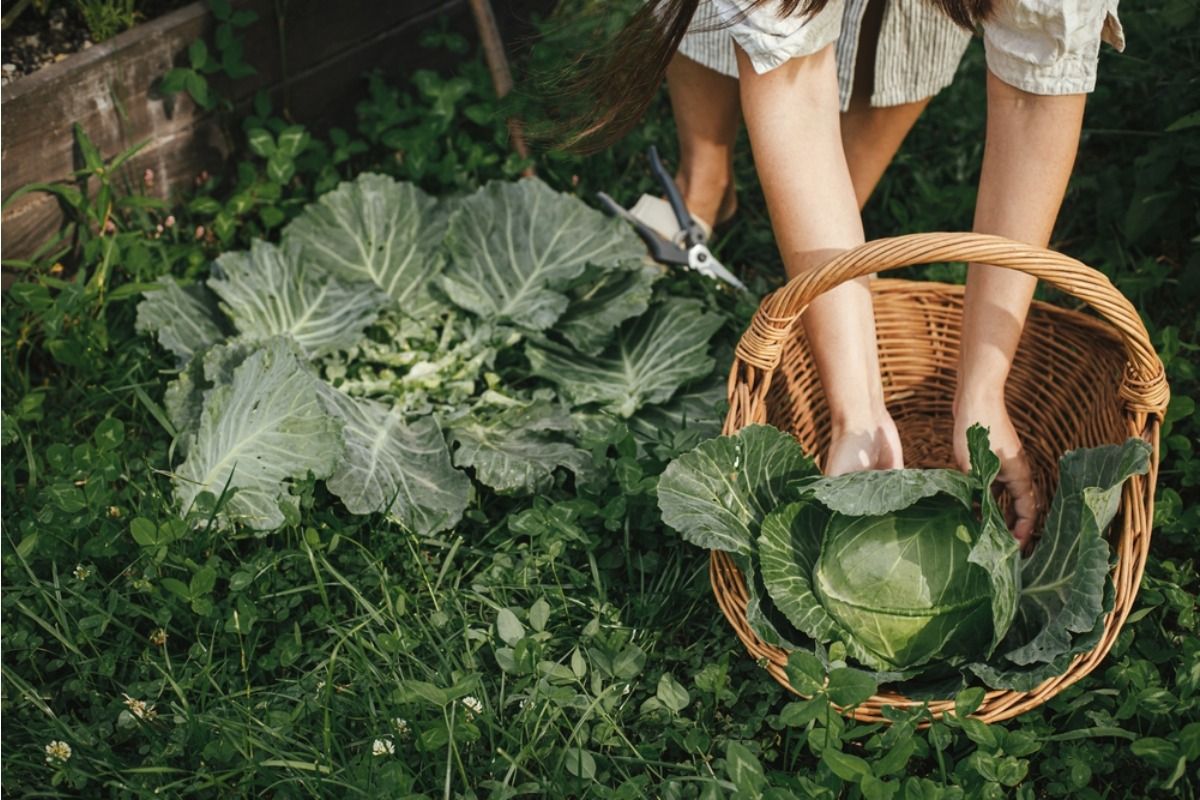
Why Some Homegrown Vegetables Look Healthy but Taste Bland, And Soil Quality May Be the Reason
Many homegrown vegetables can look fresh, vibrant, and perfectly healthy, yet still taste surprisingly bland. In most cases, the issue isn’t how they look above ground but what’s happening in the soil below. Flavor develops from a combination of nutrients, minerals, and growing conditions, and when any of these are off, taste is often the first thing affected.
Nutrient Balance Affects Flavor
Plants rely on a balanced mix of nutrients to produce sugars, acids, and other compounds that create flavor. When the soil lacks certain nutrients or has them in the wrong proportions, vegetables may still grow well but won’t develop strong taste. Balanced nutrition helps plants build both structure and flavor at the same time.
Too Much Nitrogen Reduces Taste
High nitrogen levels push plants to grow quickly, producing large leaves and rapid development. While this makes plants look lush and productive, it often reduces flavor intensity because the plant focuses more on growth than on developing taste compounds.
Minerals Add Depth
Micronutrients like potassium, magnesium, and calcium play a key role in enhancing flavor. These minerals help regulate plant processes that influence sweetness, acidity, and overall taste. Soil that lacks these elements often produces vegetables that taste flat or one-dimensional.
Fast Growth Dilutes Flavor
When plants grow too quickly, they tend to store more water in their tissues. This extra water dilutes natural sugars and flavors, making vegetables taste less rich. Slower, more balanced growth usually leads to better flavor concentration.
Organic Matter Improves Quality
Soil rich in organic matter, such as compost, supports beneficial microbes and improves nutrient availability. These microbes help break down nutrients into forms plants can absorb more easily, which directly contributes to better taste and overall plant health.
Watering Impacts Taste
Consistent watering is important, but overwatering, especially close to harvest, can reduce flavor strength. Slightly reducing water at the right time can help concentrate sugars and improve taste without harming the plant.
Appearance Can Be Misleading
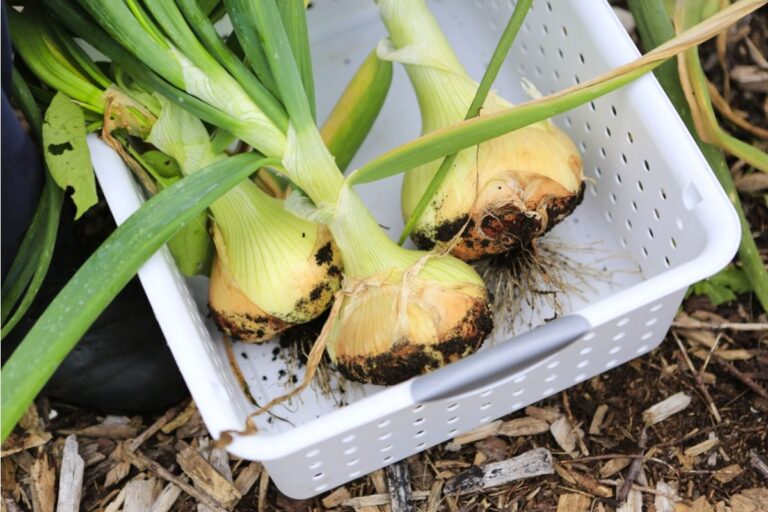
A vegetable can look perfect on the outside, bright color, good size, no visible issues, but still lack flavor. Visual health doesn’t always reflect internal quality, which depends more on soil conditions and nutrient balance.
Better Soil, Better Flavor
Improving soil with compost, balanced fertilizers, and proper care can significantly enhance taste. When the soil is healthy and well-balanced, plants are able to develop deeper, richer flavors that make homegrown vegetables truly stand out.