Why Some Vegetable Plants Produce Leaves but Almost No Fruit, Even in Well-Tended Gardens
Vegetable plants can sometimes look healthy and full of leafy growth but produce very little fruit, even in gardens that are otherwise well cared for. This situation is more common than many gardeners expect and usually comes down to how the plant is managing energy rather than visible care alone. When conditions are slightly unbalanced, plants can prioritize leaves over fruit development.
Too Much Nitrogen in the Soil
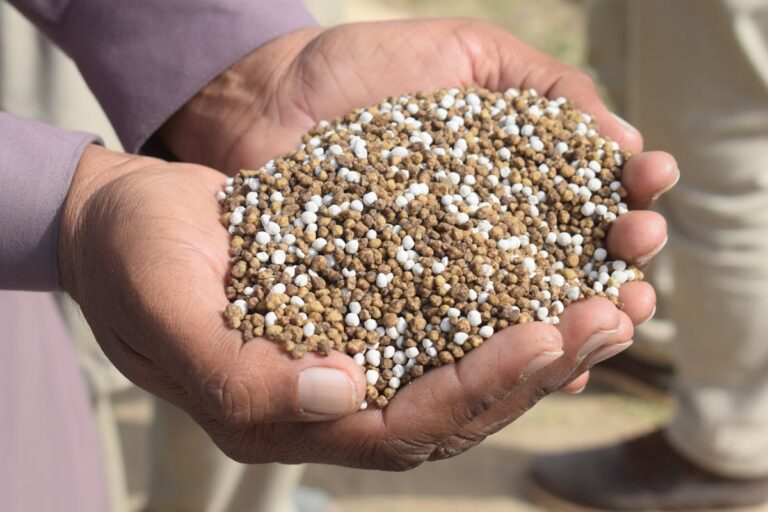
One of the most common reasons is excess nitrogen. Nitrogen encourages strong leaf and stem growth, but too much of it can suppress flowering and fruiting. Plants may appear lush and green but struggle to shift into reproductive mode. Balanced nutrients are essential for proper fruit production.
Not Enough Pollination Activity
Even when flowers appear, they may not turn into fruit if pollination is insufficient. This can happen due to lack of pollinators like bees or unfavorable weather conditions. Without successful pollination, flowers simply drop off without forming fruit.
Inconsistent Temperature Conditions
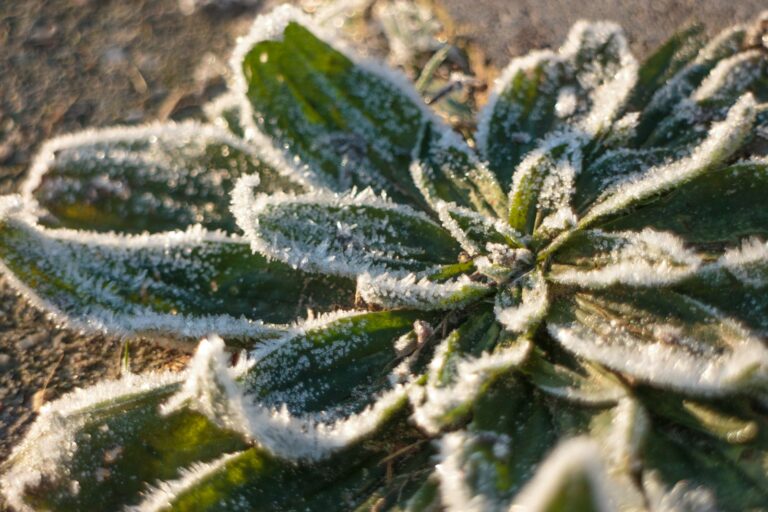
Many vegetable plants are sensitive to temperature ranges. Excess heat or unexpected cold spells can interfere with flower development. Stress from temperature fluctuations often causes plants to drop flowers or delay fruiting. Stable conditions are important during the flowering stage.
Water Stress During Flowering
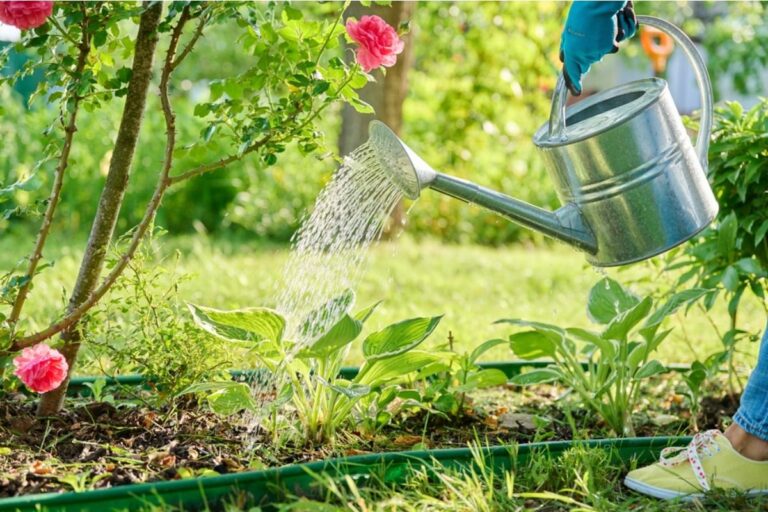
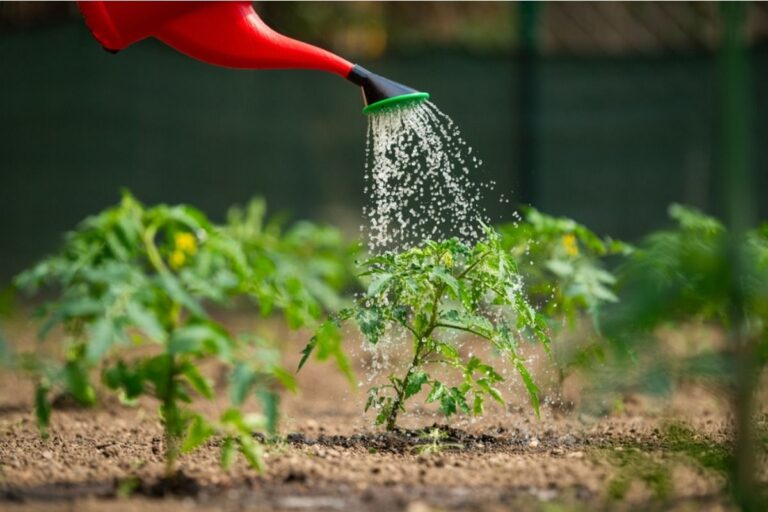
Irregular watering can disrupt the transition from flowering to fruiting. Both overwatering and underwatering can cause plants to focus on survival instead of reproduction. Consistent moisture levels help support fruit formation.
Too Much Vegetative Growth
Some plants naturally prioritize leaf growth when conditions are too ideal for vegetative development. High fertility, frequent watering, and dense planting can all encourage this imbalance. The plant invests energy in leaves rather than reproductive structures.
Lack of Light Exposure
Fruit development requires strong, consistent sunlight. If plants are shaded or overcrowded, they may not receive enough energy for flowering and fruit production. Even partial shading can reduce yields significantly.
Timing and Plant Maturity
Some vegetable plants simply need more time to reach fruiting stage. If harvested or evaluated too early, they may still be in their growth phase. Understanding the natural timeline of each crop is important for realistic expectations.
Healthy leaves do not always guarantee good harvests. Fruit production depends on a balance of nutrients, pollination, environmental conditions, and plant maturity. When one of these factors is slightly off, plants may stay green and vigorous but produce very little yield.