Why the Fiddle Leaf Fig Is the Beloved Houseplant with a Hidden Agenda
The Fiddle Leaf Fig (Ficus lyrata) has taken the indoor gardening world by storm, becoming a staple in homes and offices alike. With its large, glossy leaves and striking silhouette, it’s no wonder that this plant is often the first choice for many aspiring plant parents. However, beneath its stunning exterior lies a high-maintenance diva that can leave even the most dedicated gardeners feeling frazzled. In this article, we’ll explore why the Fiddle Leaf Fig is both a beloved houseplant and a demanding companion, and how you can keep it thriving in your home.
Understanding the Fiddle Leaf Fig
Native to the tropical rainforests of West Africa, Fiddle Leaf Figs thrive in warm, humid environments. They can grow quite tall, reaching heights of up to 10 feet when planted outdoors, but as houseplants, they generally stay smaller. The big, fiddle-shaped leaves are not just a pretty face; they also play a crucial role in the plant’s health. However, their size and thickness make them prone to specific issues that every Fiddle Leaf Fig owner should be aware of.
Light Requirements
One of the most critical factors for keeping your Fiddle Leaf Fig happy is providing the right amount of light. These plants prefer bright, indirect sunlight. A south or southeast-facing window is ideal, but be cautious of direct sunlight, which can scorch the leaves. If you notice brown patches or crispy edges on the leaves, it may be a sign of too much direct light.
Conversely, insufficient light can lead to leggy growth and leaf drop. If your plant isn’t getting enough light, consider investing in a grow light, especially during winter months when natural light is limited. Rotate your plant every few weeks to ensure even growth and prevent it from leaning toward the light source.
Watering Wisely
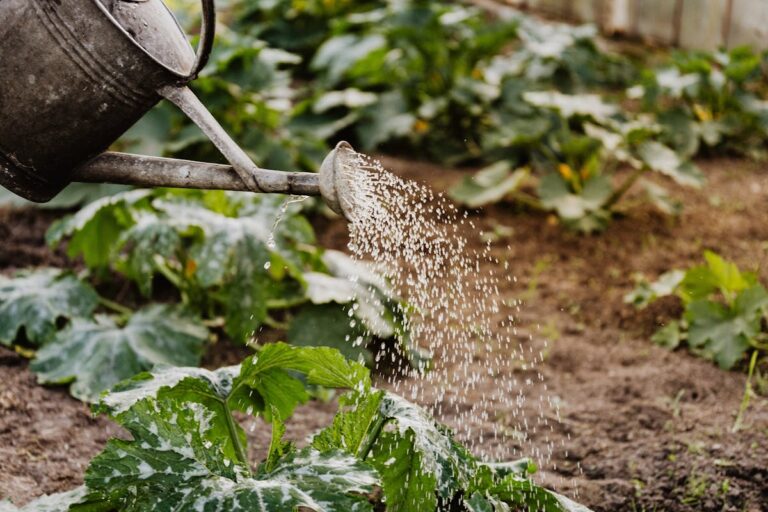
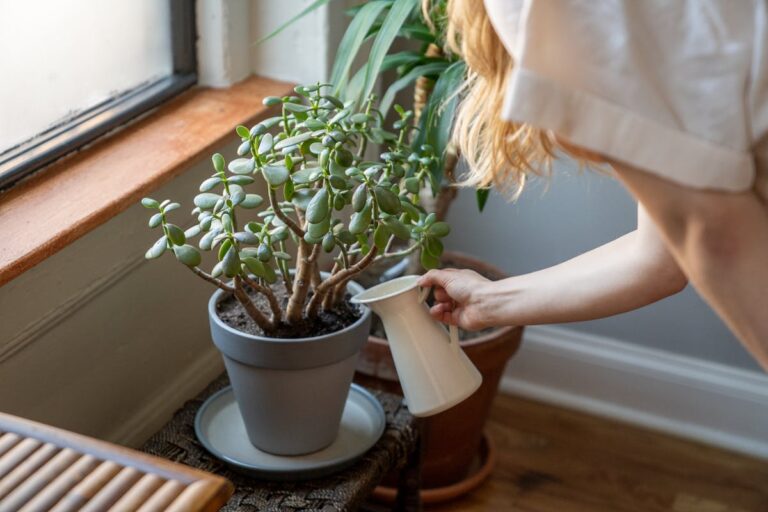
Watering can be a make-or-break factor for the Fiddle Leaf Fig. It’s essential to strike the right balance, as both overwatering and underwatering can cause stress. The general rule of thumb is to water your plant when the top inch of soil feels dry. Use a pot with proper drainage to avoid waterlogging, which can lead to root rot—a common issue for Fiddle Leaf Figs.
When you water, do so thoroughly until water drains from the bottom of the pot. Make sure to empty the saucer after watering to prevent the roots from sitting in water. During the winter months, your plant will need less water, so be sure to adjust your schedule accordingly.
Humidity Levels
As a tropical plant, the Fiddle Leaf Fig thrives in high humidity. Low humidity levels, particularly in winter when indoor heating is in full swing, can cause the leaves to develop brown tips. To maintain the humidity your Fiddle Leaf Fig craves, consider the following methods:
1. Misting: Lightly mist the leaves a couple of times a week. However, be cautious not to overdo it, as excessive moisture on the leaves can lead to fungal issues.
2. Pebble Trays: Place a tray filled with water and pebbles beneath your plant. As the water evaporates, it will create a humid microclimate around the plant.
3. Humidity Monitor: Invest in a hygrometer to keep tabs on the humidity levels in your home. Ideally, you want to aim for humidity levels between 40% to 60%.
Fertilization Needs
Fiddle Leaf Figs are heavy feeders, especially during the growing season, which typically runs from spring through early fall. Use a balanced liquid fertilizer every month during this time to provide your plant with the nutrients it needs to thrive. Be careful not to over-fertilize, as this can lead to salt buildup in the soil, which can harm the roots.
In the winter months, cut back on fertilization altogether, as the plant’s growth will slow down significantly. It’s essential to give your Fiddle Leaf Fig a break during this dormancy period.
Common Pests and Diseases
Like any houseplant, Fiddle Leaf Figs can fall prey to pests, particularly spider mites, mealybugs, and scale. Regularly inspect the leaves for any signs of infestation, such as webbing or sticky residue. If you notice any pests, treat your plant promptly with insecticidal soap or neem oil.
Additionally, keep an eye out for leaf drop or yellowing leaves, which can indicate issues such as overwatering or low light. Addressing these problems early can prevent more significant damage to your plant.
Repotting and Growth
As your Fiddle Leaf Fig grows, it will eventually need to be repotted to accommodate its expanding root system. Typically, this is done every 1-2 years, depending on the size of the pot and the growth rate of the plant. When repotting, choose a pot that is 1-2 inches larger in diameter than the current one, and use a well-draining potting mix.
The best time to repot is in the spring when the plant is gearing up for active growth. This will help reduce transplant shock and encourage new growth in its new home.
Final Thoughts
While the Fiddle Leaf Fig may be a popular choice among houseplant enthusiasts, it’s essential to recognize its high-maintenance nature. With specific light, water, humidity, and fertilization needs, this plant requires a bit more attention than others. However, with the right care, you can enjoy the beauty of this dramatic houseplant and make it a stunning focal point in your home. So, if you’re ready to take on the challenge, the Fiddle Leaf Fig could be the perfect addition to your indoor garden. Happy planting!