Why Watering Less Often Isn’t Always Better for Plants: Surprising Tips to Keep Them Thriving!
Ever found yourself wondering how often you should water your plants? It’s easy to assume that less is more, but the truth is, every plant and situation is a little different.
Some folks worry about root rot or mold, so they hold back on watering. But skipping water too often can actually cause stress for your plants.
Shallow Roots Are Weak Roots
When you water with small amounts more regularly, roots tend to stay near the soil surface. These roots grab water and nutrients quickly from the top layer.
Frequent watering can help plants develop strong surface roots. This steady supply of moisture keeps leaves looking green and fresh.
Shallow roots can soak up sunlight and air faster, which benefits some types of plants. If you’re watering daily, the topsoil stays moist, helping your plants during heat.
However, shallow roots don’t protect your plants well during dry spells, so you need to keep up with the schedule. For certain lawns and plants, regular moisture at the surface creates the best growing environment.
Watering often doesn’t necessarily weaken roots. It just changes where they grow, and you can use this to your advantage.
Overwatering Risks Misconception
It’s tempting to think that watering less often will protect your plants from too much moisture. But giving a lot of water all at once can actually harm sensitive plants.
If the soil stays soggy for too long, roots can’t get enough air. This can lead to root rot and weak plants.
Some plants, like succulents and certain herbs, don’t like their roots to be wet for extended periods. Deep watering less often might seem right, but it can drown these types of plants.
Check your soil moisture regularly instead of sticking to a strict schedule. Let the soil dry out enough between waterings to keep roots healthy.
Young Plants Crave Consistency
Seedlings need regular watering to get established. Consistent moisture helps their roots spread out and absorb nutrients.
If you water too little, seedlings may dry out and stop growing. Too much water, and their roots can rot.
Watch your seedlings closely. Their leaves and soil will tell you when they need a drink.
Prevent Nutrient Lockout
When soil gets too dry, nutrients can become locked up and unavailable to your plants. Even if the nutrients are present, your plants can’t use them without enough water.
Regular watering dissolves these nutrients, making them easier for roots to absorb. Dry soil can also lead to salt buildup, which blocks nutrients.
Consistent moisture keeps soil pH stable. This balance is important for nutrient absorption.
Overwatering isn’t good either. Finding a steady watering rhythm helps nutrients flow and keeps your plants healthy.
Avoid Soil Crusting
Watering heavily but infrequently can cause the soil surface to harden. This crust makes it tough for water to soak in and for seedlings to break through.
Gentle, frequent watering keeps the soil loose and crumbly. Loose soil lets water and air move freely to roots.
Adding mulch and organic matter also helps prevent crusting. These additions improve water absorption and keep the soil healthy.
Reduce Heat Stress
Hot weather can be tough on plants. Frequent watering cools them down and stops their leaves from drying out too quickly.
Small amounts of water more often keep the soil moist and the air around leaves cooler. This helps plants stay strong under the sun.
If you let the soil dry out in the heat, your plants will struggle to take up water when they need it most.
Frequent watering during heatwaves can make a big difference. Your plants will thank you with fewer wilted leaves and more energy.
Spot Disease Early
Watering more often gives you a chance to check your plants up close. You’re more likely to spot early signs of disease like spots, discoloration, or weird growth.
Seeing water sitting on leaves or stems? That’s a cue to adjust your watering method and keep foliage dry.
Frequent visits to your plants let you remove diseased leaves or stems right away. This keeps problems from spreading to the rest of your garden.
You’ll also learn how your plants react to watering and weather changes, making you a more attentive gardener.
Encourage Leaf Growth
Regular watering supports healthy, vibrant leaves. Consistent moisture helps roots absorb nutrients, fueling new leaf growth.
Letting soil dry out too long can stress plants and make leaves turn dull or brown. Steady moisture keeps foliage lush and green.
Water moves nutrients from roots to leaves, powering growth and protecting against disease. Don’t let your plants go thirsty if you want that rich, green look.
Control Pest Outbreaks
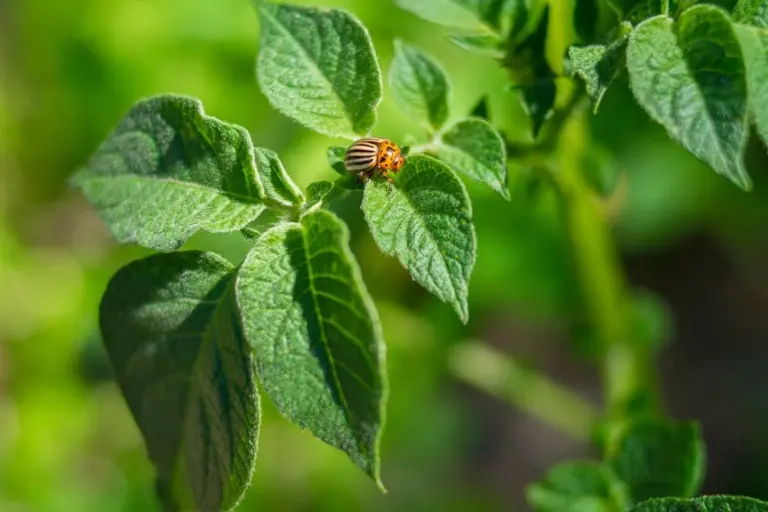
Dry spells from infrequent watering can attract pests to your garden. Insects and even rodents start searching for water and may move closer to your home.
Weakened, thirsty plants are easier targets for bugs. Dry soil and stressed roots create the perfect opportunity for pests to move in.
Regular, deep watering keeps roots strong and soil moist enough to resist pest attacks. Managing water carefully helps prevent infestations before they start.
Boost Photosynthesis
Watering your plants at the right time helps them turn sunlight into energy through photosynthesis. Without enough water, this process slows down and growth stalls.
Water carries nutrients from the soil to the plant, fueling photosynthesis and keeping plants healthy. Delaying water means nutrients can’t move efficiently, and plants may wilt.
When plants get thirsty, they close tiny pores called stomata to save water, but this also limits carbon dioxide intake and hurts photosynthesis.
Timely watering keeps your plants energized, productive, and ready to grow.
The Science Behind Plant Watering
Water shapes how roots grow and how well plants can take in nutrients. When plants don’t get enough, they show signs that they need more.
Knowing these details helps you water smarter and keep your plants healthy.
How Soil Moisture Influences Root Growth
Soil moisture guides root growth. If the topsoil is always wet, roots stay shallow. Shallow roots can’t anchor the plant or reach deep water during dry spells.
Watering deeply and less often encourages roots to grow down into the soil, where moisture lasts longer. This helps plants become sturdier.
If soil stays dry too long, roots can stop growing or die. The goal is to keep soil moist but not soggy.
Signs of Water Stress in Plants
Plants show clear signs when they’re thirsty or overwatered. Underwatered plants may have brown, curled leaves or look wilted.
Overwatered plants might have yellow leaves and soggy soil. Roots can rot if they don’t get enough air.
Spotting these signs early lets you adjust your watering routine and keep your plants thriving.
Common Watering Myths Debunked
Finding the right watering routine can be confusing. Every plant and environment is different, so there’s no one-size-fits-all answer.
Understanding Drought Tolerance
Some plants, like succulents, store water in thick leaves and handle dry spells well. Others need steady moisture to stay healthy.
If you water too little, less drought-tolerant plants may wilt or stop growing. Wilting doesn’t always mean they need water immediately, so watch for other signs too.
Knowing your plants’ drought tolerance helps you decide when it’s safe to water less and when they need a regular drink.
The Role of Climate and Environment
Have you ever noticed how your plants seem to need more water when it gets really hot outside? Where you live can make a big difference in how often you should water.
Hotter and sunnier places dry out soil much faster. In these climates, your plants will probably need more frequent watering to stay healthy.
If your garden is in a cooler or shady spot, you might find that watering less often works just fine. Shade and lower temperatures help the soil hold onto moisture longer.
Soil type also matters a lot. Sandy soil drains quickly and can leave roots thirsty.
On the other hand, clay soil holds onto water for much longer. This can sometimes cause roots to rot if the soil stays too wet.
Paying attention to both your climate and your soil type helps you figure out the best watering routine. With a little observation, you can give your plants just what they need.