Why Winter Is the Best Time to Rethink Your Garden Layout
When the days get shorter and the garden looks bare, it can actually be the perfect opportunity to reimagine your outdoor space. With fewer chores and less pressure, you can step back and see your yard with fresh eyes.
Winter lets you pause and think about what you want to change. You get to plan without the rush of planting or constant upkeep.
Reflect on Last Season’s Successes and Failures
Take a look back at your garden from last year. Notice which plants thrived and which ones struggled.
Maybe some flowers bloomed brighter or certain vegetables gave you a great harvest. Celebrate those wins and make note of what worked.
At the same time, consider what didn’t go as planned. Were there spots that stayed too wet or dry?
Understanding these details helps you avoid the same mistakes next season. Use this downtime to dream up a garden layout that fits your space and your needs.
Visualize Your Dream Garden Layout

Winter gives you a quiet moment to picture your ideal garden. Imagine how different spaces will look when the flowers bloom or the trees change colors.
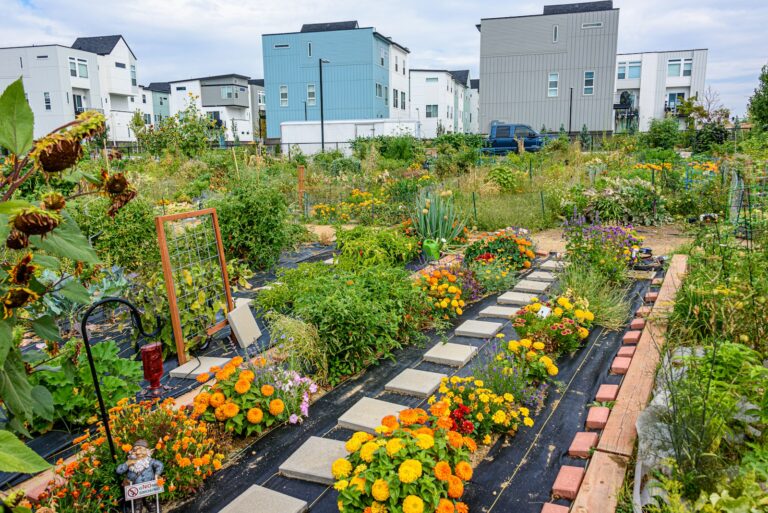
Think about where you want paths, seating areas, or maybe a new pond. Sketch your ideas on paper, even if it’s just simple shapes.
Look at your garden from inside your house too. Picture how the garden will brighten your view through windows all year long.
Focus on details like color, texture, and light. Visualizing now gives you a head start on making your dream garden a reality when spring arrives.
Research Cold-Hardy Plants for Early Spring
Now is a great time to start thinking about cold-hardy plants you can add to your garden early in the year. These plants can survive frost and even snow.
Vegetables like broccoli, onions, peas, and beets do well in cooler temperatures. They keep growing even when the weather is still chilly.
Look for plants that are known for their toughness in cold weather. Cold-hardy crops help fill your garden when many other plants are still asleep.
By choosing the right cold-tolerant plants, you can keep your garden productive almost all year long.
Plan New Garden Beds for Optimal Sun Exposure
Winter is the perfect time to think about where your new garden beds will get the most sunlight. Sunlight helps plants grow strong and healthy.
Try to position your garden beds running north to south. This way, all your plants will get even sunlight throughout the day.
Consider the angle of the sun during different seasons. The winter sun stays low, so planning with that in mind can help maximize warmth and light.
Look around your yard for any trees, buildings, or fences that might cast shadows. Avoid placing your beds where shadows fall during the main part of the day.
Design Pathways and Seating Areas for Outdoor Enjoyment
When you redesign your garden in winter, focus on pathways first. Clear well-lit paths make it safer to walk outside after dark.
Warm-colored LED lights can create a cozy feel along trails and steps. Next, think about seating areas.
Choose durable furniture that can handle cold and moisture. Adding cushions with weather-resistant fabric keeps things comfortable, even in chilly weather.
Place your seating near fire pits or sheltered spots to stay warm. Evergreens around seating spaces add color all year and block cold winds.
String lights or decorative lamps add charm and make your garden feel inviting during long winter evenings.
Prepare Soil with Compost and Mulch for Nutrient Boost
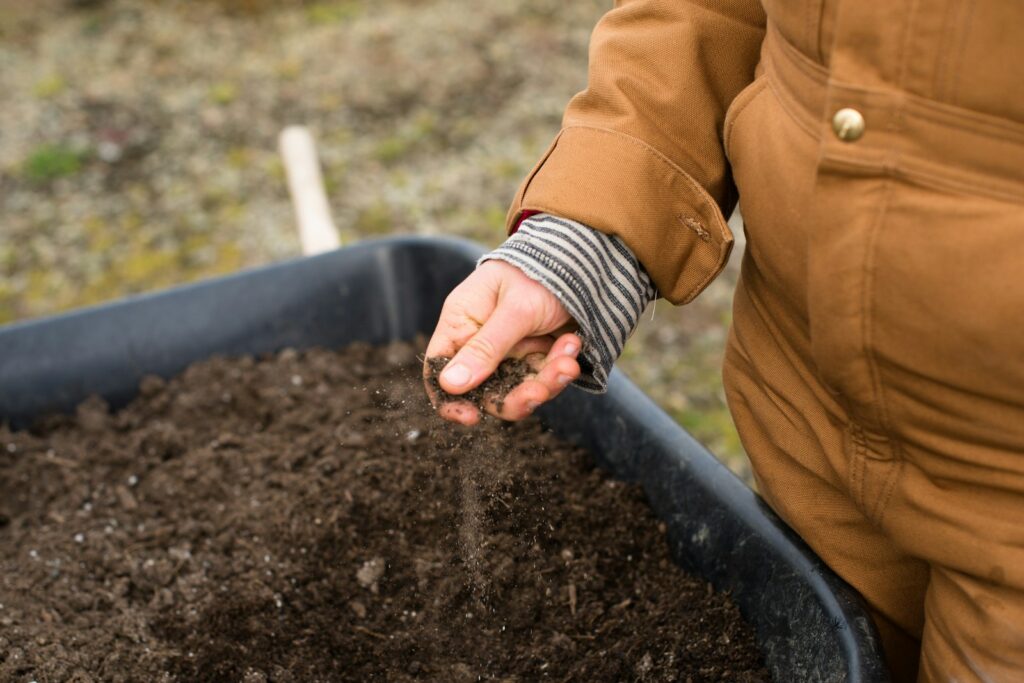
Winter is a great time to add compost and mulch to your garden soil. You can give your soil a nutrient boost that helps plants grow stronger in the spring.
Compost adds valuable organic matter, which improves soil structure and holds moisture better. Mulching protects your soil from cold weather and prevents it from drying out.
It also stops weeds from growing, so you spend less time weeding later. When you cover your garden beds with mulch, you create a cozy layer that keeps the soil healthy.
By working compost into your soil now, you feed helpful microorganisms that break down nutrients. These microbes keep your soil alive and ready for new growth.
Sketch Detailed Planting Zones by Growth and Height
When you rethink your garden layout, start by drawing zones based on how tall and fast your plants grow. This helps you avoid overcrowding and ensures each plant gets the right amount of sunlight and space.
Place taller plants where they won’t block shorter ones. Think about the sun’s path during the day.
Group plants by their growth speed. Fast growers need room to spread, while slow growers can stay closer together.
Sketching these zones makes it easier to plan paths and access points for watering and harvesting.
Incorporate Hardy Vegetables for Winter Harvest

You can turn your garden into a fresh food source even in the cold months. Adding hardy vegetables to your winter layout helps you enjoy homegrown produce all year.
Leafy greens like kale, spinach, and Swiss chard are great choices. They often get sweeter with cold weather.
Root vegetables such as carrots, beets, and turnips also do well, storing well in cold soil and adding variety to your meals.
Raised beds or cold frames can protect these hardy plants and extend your harvest. By choosing the right vegetables, you can keep your garden productive and colorful even when temperatures drop.
Evaluate and Upgrade Garden Structures Like Trellises
Winter is the perfect time to check your garden structures, especially trellises. With plants dormant, you can clearly see if any supports are damaged or weak.
This gives you a chance to fix or replace them before the growing season starts. You can also use this downtime to upgrade your trellises.
Adding a new trellis or improving old ones can change the look of your garden. It adds height and interest, even when plants aren’t blooming.
Securing your trellises now helps them withstand winter wind and snow. Building or repairing trellises in winter means you get a head start for spring growth.
Plan Watering Systems and Drainage Solutions

Winter is the perfect time for you to carefully plan your garden’s watering system. Since the ground is quieter, you can imagine where water flows best without rushing.
You get a clear chance to design irrigation that reaches every plant efficiently. Think about how you will stop water from pooling in low areas.
Good drainage is key to protecting your garden from extra moisture during winter rains. You want to keep your plants healthy and avoid problems like root rot.
When you install or update your irrigation system now, you avoid busy spring planting schedules. You can choose systems that drain well so water won’t freeze and harm pipes.
Designing with drains in mind helps your whole garden stay safe and ready for spring growth. Your thoughtful planning will pay off when plants thrive under the right amount of water.
Understanding Seasonal Advantages
Winter gives you a clear look at your garden’s hidden shapes and spots that need work. It also offers the perfect time to improve the soil while plants are resting.
How Cold Weather Reveals Your Garden’s True Structure

When the leaves fall and flowers fade, your garden’s real form comes into view. You can see where plants crowd each other and which areas look empty or uneven.
Branches and stems stand out, showing paths and beds more clearly than in spring or summer. This helps you plan new layouts with better flow and balance.
You can spot problem spots like poor drainage or places that don’t get enough sunlight. It’s easier to map where to move or add plants for a healthier garden.
Soil Improvement Opportunities in Dormant Months
During winter, your soil needs attention just like your plants. You can add compost or mulch to boost soil health while nothing else grows.
Cold weather breaks down organic matter slowly, mixing nutrients into the earth. This makes the soil richer by spring when your plants begin to grow.
Winter is also a good time to test soil acidity and add lime or sulfur if needed. Preparing soil now saves time later and sets your garden up for success.
By working on the ground now, you create a strong foundation for roots to take hold once the weather warms.
Planning for Next Year’s Flourishing Garden
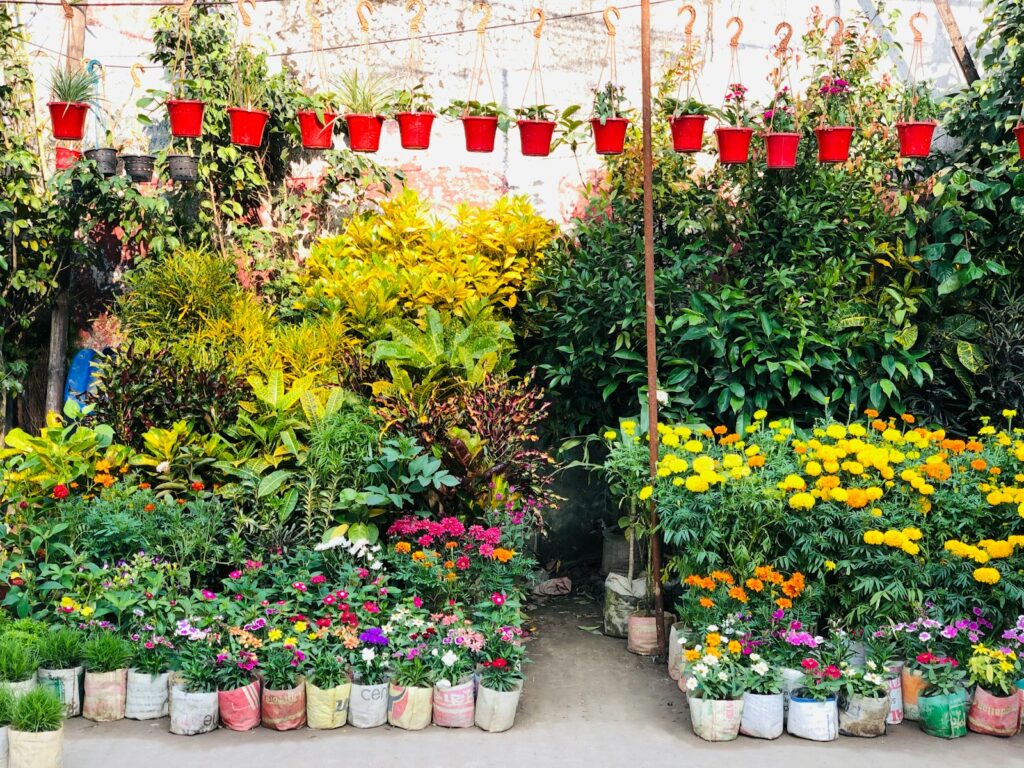
Winter gives you the perfect chance to rethink your garden with fresh ideas and careful choices. It’s a quiet time that lets you experiment with new layouts and prepare for changes in plant types and care.
Leveraging Winter Down Time for Creative Design
During winter, your garden is less busy, so it’s a great time to map out new designs. You can sketch different layouts, thinking about where sun and shade fall throughout the day.
Try using graph paper or digital tools to plan paths, beds, and seating areas. Consider adding features like raised beds or trellises to improve plant health and garden flow.
Write down your wishlist of plants and structures. This makes planting easier once spring comes because you already know where everything fits.
Anticipating Emerging Trends and Plant Needs

Curious about what will thrive in your garden next year? Explore new plants and trends that fit your region.
Check out cold-hardy vegetables or shrubs that can keep your yard interesting throughout the year.
Consider what your plants will need, like water, soil type, and space. Thinking this through now saves headaches later.
Take a peek at seed catalogs or browse online nurseries early. Ordering ahead gives you more options before popular varieties sell out.
When the ground finally thaws, you will be set to dive right into planting.