Why Winter Is the Perfect Time to Test and Reset Your Soil Health
Ever feel like your garden never quite bounces back after winter? The secret might be in your soil. Winter is a unique opportunity to check in on your soil’s health while the garden takes a break.
With your plants dormant, your soil is more stable and you can get a better sense of its real condition. Testing now lets you plan ahead and get a head start on making improvements before spring arrives.
When you check your soil during the colder months, you avoid the hectic spring rush. You have time to address any issues and set your garden up for a strong start.
Soil pH reflects true levels during winter, giving accurate test results
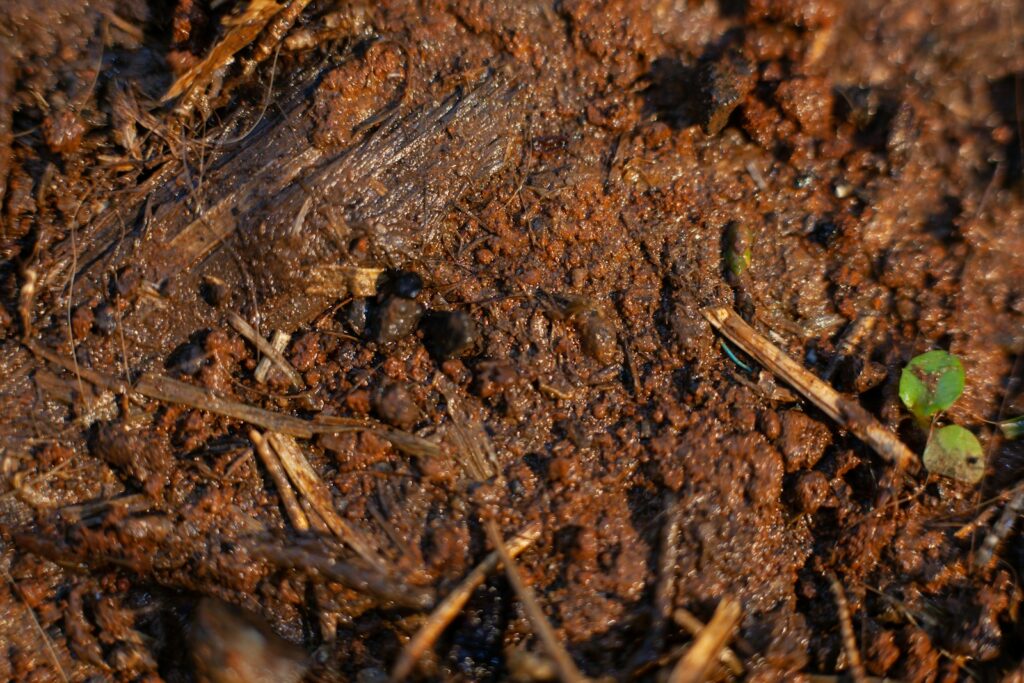
Winter is actually one of the best times to test your soil pH. The cold slows down changes in the soil, so your results are more reliable.
In warmer months, rain and active microbes can make your pH numbers bounce around. But with things quiet in winter, you get a clearer picture of your soil’s baseline.
This clarity helps you make better decisions about what your soil really needs. You can catch imbalances early and plan the right treatments before the growing season.
Winter rainfall balances soil nutrients, stabilizing your soil chemistry
Winter rains move nutrients through the soil, helping to keep everything balanced. This natural process prevents nutrients from piling up in one spot.
Rain breaks down organic matter and helps spread nutrients evenly. This supports the tiny organisms in your soil and makes nutrients easier for plants to use later.
You might also notice that winter rain helps wash away harmful salts. Salts can build up and hurt your plants, but winter weather gives your soil a fresh start.
Testing after winter rains gives you a true snapshot of your soil’s needs. You can add only what’s necessary and avoid over-fertilizing, which saves time and money.
Frozen ground prevents nutrient leaching, preserving soil fertility
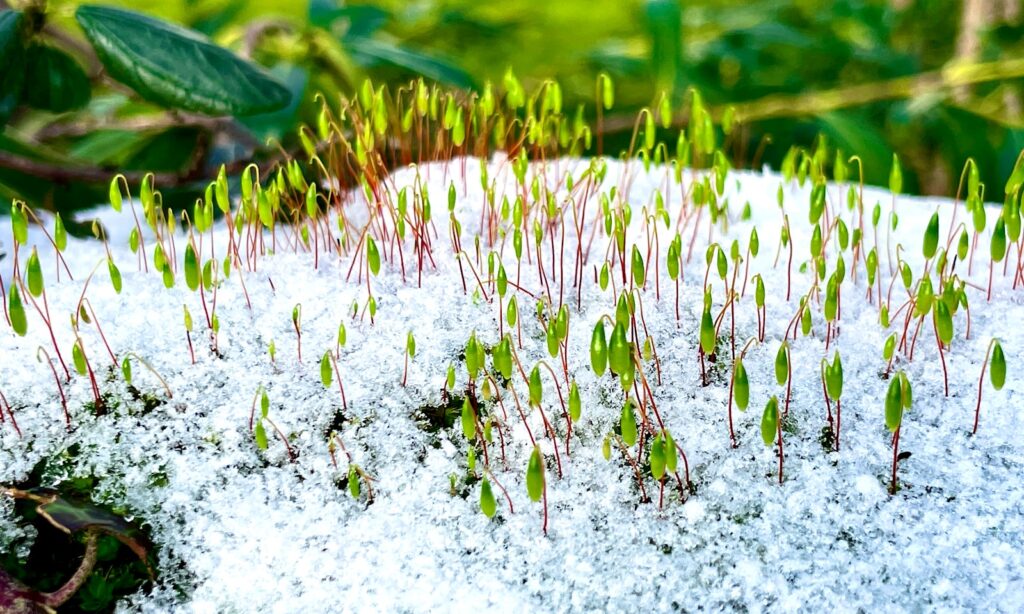
When the ground freezes, it acts like a barrier that keeps nutrients from washing away. This helps your soil hold onto its strength through the winter.
Important minerals like nitrogen and phosphorus stay put. Your plants will have plenty of these nutrients ready when it’s time to grow again.
Testing your soil while it’s frozen can show you what’s left and what needs a boost. You can plan your fertilizer or compost with confidence for spring.
Winter testing lets you plan precise amendments for spring growth
Testing your soil in winter gives you time to add exactly what your garden needs. You can fix pH and add nutrients without rushing.
Amendments like lime or sulfur work best when given time to settle in. By starting now, your soil will be in great shape for spring.
Planning ahead means you can avoid the last-minute scramble. You’ll save effort and your plants will thank you with healthier growth.
Soil structure remains stable in winter, making testing more reliable
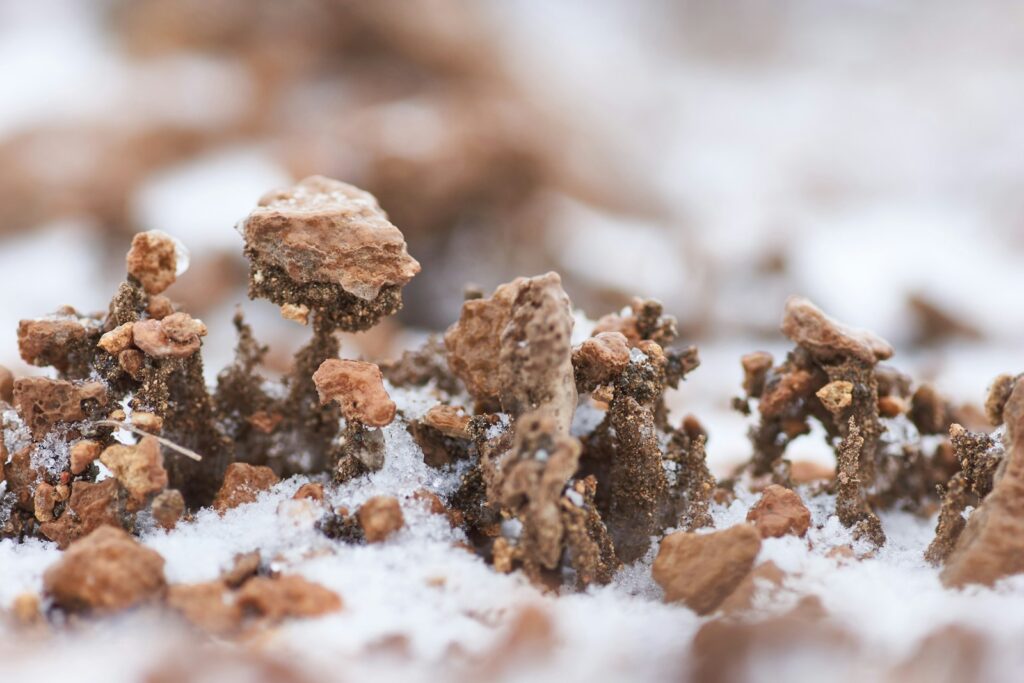
Cold weather keeps your soil structure steady. This means your test results are more consistent and trustworthy.
With fewer changes happening, you can spot problems early. You’ll know exactly what needs fixing, whether it’s nutrients, pH, or drainage.
Testing now gives you a head start on improving your soil before planting season arrives.
Reduced microbial activity in winter gives a clear soil health snapshot
Soil microbes slow down in winter, which makes it easier to see what’s really happening below the surface. With less activity, your soil’s natural state is easier to measure.
This quiet period reveals any hidden issues or strengths. You can catch problems before they get worse and plan your spring care with confidence.
Testing during this stable window gives you more consistent results. You can get a true sense of your soil’s health and plan better for the seasons ahead.
Winter composting boosts organic matter to rejuvenate soil
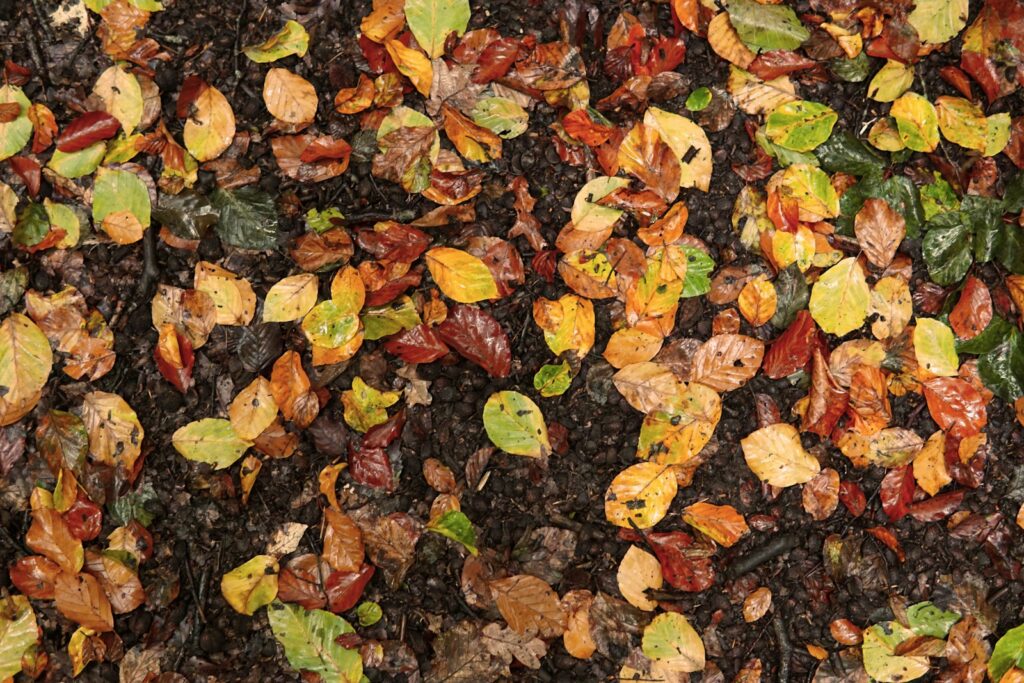
Even when it’s cold, you can keep composting. Adding compost in winter feeds your soil with rich organic material that will be ready for spring.
Winter composting supports beneficial microbes and improves soil texture. Your soil becomes healthier and more resilient for the next growing season.
Plus, composting in winter helps reduce kitchen and garden waste. It’s a win-win for you and your garden.
Cover cropping in winter protects soil and improves nutrient cycling
Planting cover crops in winter shields your soil from erosion. These plants hold the soil in place and keep it healthy for spring.
Cover crops like rye or clover keep moisture in and support beneficial soil life. They also help soak up extra nutrients, keeping your soil fertile.
When cover crops die back, they return nutrients to the soil. This natural recycling keeps your garden ready for whatever you plant next.
Mulching during winter conserves moisture and regulates soil temperature

Adding mulch in winter creates a protective layer that holds moisture in the soil. Your garden won’t dry out as quickly, even in cold, dry air.
Mulch also helps keep soil temperatures steady. This protects roots from sudden freezes and thaws that can cause damage.
A good layer of mulch prevents soil erosion from winter winds and rain. Your topsoil stays put, setting you up for a strong spring.
Testing now avoids the spring rush and fertilizer price spikes
Testing your soil in winter means you skip the crowds at garden centers and labs. You’ll have your results before everyone else is scrambling in spring.
You can order fertilizer and amendments early, often at lower prices. Planning ahead saves money and reduces stress.
With your soil test results in hand, you can make smart choices and avoid overusing products. Your garden will be healthier and you’ll be ready when spring arrives.
How Winter Influences Soil Health
Winter brings changes beneath the surface that can make or break your garden’s success. Temperature shifts, moisture levels, and biological activity all affect how nutrients move and how well your soil supports plants.
The Science Behind Seasonal Soil Changes
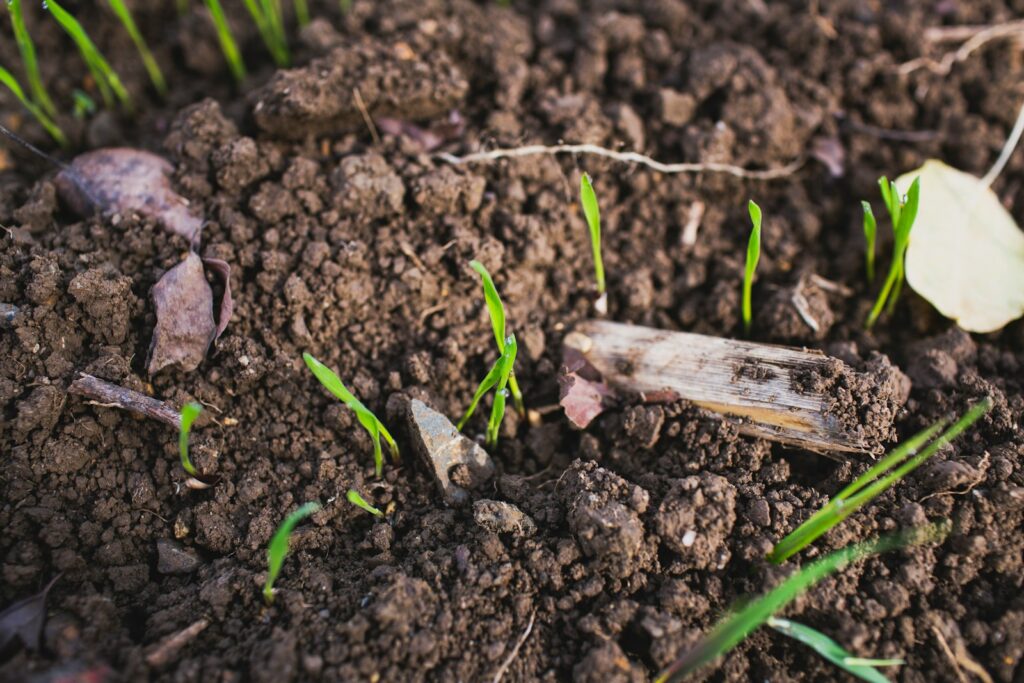
As temperatures drop, freeze-thaw cycles can break up compacted soil. This improves structure and makes it easier for roots to grow when spring comes.
Snow and rain soak into the soil, helping to replenish water reserves. Good moisture balance keeps soil from eroding or losing nutrients.
Cold weather also slows the breakdown of organic matter. Nutrients stay in the soil longer, waiting to feed your plants when things warm up.
Winter Soil Microbes and Nutrient Cycles
Even in winter, some soil microbes keep working, just more slowly. They continue breaking down organic matter and cycling nutrients for spring.
Testing now shows you which nutrients your soil is losing. You can plan ahead and get your soil ready for a productive season.
Best Practices for Winter Soil Testing and Resetting
Getting the most from winter soil testing means using the right tools and timing. A little extra care now leads to better results later.
Choosing the Right Testing Methods in Cold Weather

Use tools that work well in cold conditions. If the ground is frozen, sample from the top few inches where roots will grow first.
Gather soil from different spots around your garden and mix them together for an average sample. Keep your samples in sealed containers to prevent moisture loss.
Check for things like pH, nutrient levels, and soil texture. Some test kits work better in cold weather, so pick one that’s reliable year-round.
Interpreting Winter Soil Test Results
Ever wondered what your winter soil test is really telling you? Spotting issues now can save you a lot of trouble before planting season starts.
If your soil’s pH is low, you might need to add lime to bring it up. Missing nutrients mean you should think about fertilizers or organic matter.
Pay close attention to nitrogen levels. Cold weather slows down nitrogen activity, so test results might show lower numbers than you expect.
Plan to use slow-release fertilizers early next season to keep your plants from running short.
Soil texture and structure matter too. If the soil feels compacted, aerating or mixing in compost can help air and water move better.
Turn your test results into a simple checklist:
| Test Result | Action Needed |
|---|---|
| Low pH | Add lime |
| Low nitrogen | Apply slow-release fertilizer |
| Compact soil | Aerate and add compost |