Why You Should Wait Before Buying These Popular Plants This Spring
As spring approaches, garden centers across North America are brimming with enticing plants, each promising to be the perfect addition to your garden. While the colorful blooms and lush greenery can be hard to resist, many of these plants are being sold prematurely. If you’re an eager gardener ready to dig in, it’s essential to understand why waiting a bit longer could save you time, money, and heartache.
Timing is Everything
The first rule of thumb for any gardener is to align planting times with your local climate. In many regions, the danger of frost can linger well into spring. For instance, in USDA Zone 6, the average last frost date is around mid-April, while in Zone 5, it can be as late as early May. Purchasing tender plants like tomatoes, peppers, and annual flowers before this date can lead to disappointment if a late frost damages or kills your new purchases.
Each plant has its own ideal planting time. Cool-season vegetables, such as lettuce and peas, can be sown as soon as the soil can be worked, often before the last frost. However, many popular warm-season plants thrive only when temperatures consistently stay above 50°F (10°C) at night. For these plants, waiting until the threat of frost has passed is crucial.
Understanding Plant Hardiness
Plant hardiness zones are designed to help gardeners identify which plants are likely to thrive in their specific climate. When garden centers begin selling plants, they may not always consider the local hardiness zone or the recent weather patterns. This can lead to a mismatch where plants are being sold at times that are too early for the average gardener to be successful.
For example, while it may be tempting to buy beautiful petunias or zinnias in early March, planting them too soon can lead to stunted growth or even death if temperatures drop unexpectedly. Always check your local USDA hardiness zone and understand the plants’ specific needs before making a purchase.
Common Mistakes to Avoid
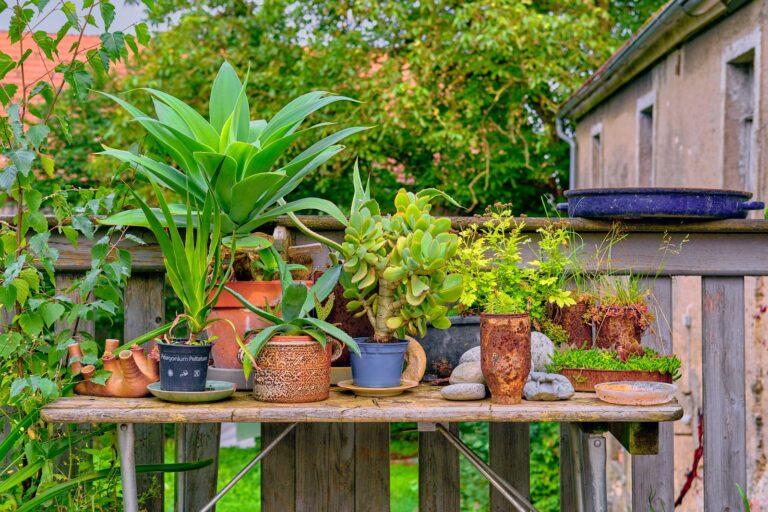
1. Falling for Seasonal Displays: Garden centers often create visually appealing displays to entice customers. While these displays are lovely, they can be misleading. Just because a plant is available doesn’t mean it’s the right time to buy it. Always research the plant’s ideal growing conditions and planting times.
2. Ignoring Local Weather Trends: Keep an eye on local weather forecasts and historical data regarding frost dates. Some regions experience unusual weather patterns, leading to unexpected frosts. If you live in an area known for sudden cold snaps, it’s worth waiting a little longer before bringing home tender plants.
3. Underestimating Plant Care: Many gardeners underestimate the care that young plants require once they’re brought home. If you purchase plants too early, they may need additional protection from the cold or extra care to transition from the greenhouse to your garden. This can be a cumbersome task that can lead to stress and disappointment.
4. Not Considering Indoor Options: If you simply can’t resist the urge to start your gardening journey, consider starting seeds indoors. This allows you to get a head start on the growing season while keeping the plants safe from unpredictable weather. Many vegetables and flowers can be sown indoors six to eight weeks before the last frost and transplanted outside when the time is right.
What to Buy Now
While many plants may be too early to purchase, there are still plenty of gardening supplies you can acquire ahead of time. Tools, soil amendments, fertilizer, and seeds for cool-season crops can all be bought and prepared in advance. Additionally, consider investing in frost protection covers or cloches, which can help safeguard your tender plants when you do start planting.
Another option is to visit local nurseries and garden centers to see what they have available. Even if you’re not ready to buy, this can be a great way to familiarize yourself with what’s out there and plan for your garden layout. Just remember to take note of what you want to buy when the time is right.
When to Buy
As the season progresses, keep track of the weather and your local frost dates. Once the danger of frost has passed, it’s time to hit the garden center! Look for healthy, vibrant plants that have been well cared for. Check the leaves for signs of disease or pests and make sure the roots are not pot-bound.
If you’re unsure about whether it’s too early or just right, don’t hesitate to ask staff at your local garden center. They can provide valuable insights based on their experiences and knowledge of local growing conditions.
In Summary
While the allure of spring plants can be strong, it’s essential to resist the temptation and wait until the timing is right. By understanding your local climate, recognizing the needs of your plants, and avoiding common mistakes, you’ll be setting yourself up for gardening success. Patience may not be the most exciting part of gardening, but it can lead to a healthier, more vibrant garden that thrives throughout the growing season.