Why Your “Beginner Plants” from Garden Centers Might Not Thrive: Understanding the Challenges
Many first-time gardeners head to local garden centers with excitement, ready to purchase the so-called “beginner plants” touted as easy-to-grow options. However, it’s not uncommon for these plants to struggle or even fail shortly after being introduced to their new home. Understanding why this happens can help you become a more successful gardener. Let’s delve into the common challenges faced by beginner plants and how you can better set yourself up for success.
Understanding the “Beginner Plant” Label
The term “beginner plants” usually refers to species that are marketed as easy to grow, requiring minimal care and attention. Examples often include pothos, spider plants, and certain succulents. While these plants can indeed be more forgiving than others, they are not foolproof. A variety of factors contribute to the success or failure of these supposed easy plants, including environmental conditions, care practices, and even expectations.
Environmental Conditions Matter
One of the primary reasons beginner plants fail is the lack of understanding about their specific environmental needs. Each plant species has its own preferences for light, humidity, temperature, and soil conditions. For example:
Light Requirements: Many beginner plants, such as succulents, thrive in bright, indirect light. However, placing them in low-light situations can lead to stunted growth or leggy stems. Conversely, some plants like pothos can survive in lower light but may not flourish. Understanding the light requirements of your chosen plants is crucial.
Temperature and Humidity: Most houseplants prefer temperatures between 65°F and 75°F. Sudden temperature fluctuations, drafts, or dry indoor air can stress plants, leading to health issues. In regions with dry winters, using a humidifier can help maintain a suitable environment.
Soil Composition: Using the right potting mix is essential. Many beginner plants prefer well-draining soil to prevent root rot. If you use heavy garden soil or a mix that retains too much moisture, your plants may struggle.
Watering Wisely
Watering is often the most daunting task for new gardeners. Overwatering is a common mistake that can lead to root rot, especially in plants like succulents or snake plants that store water in their leaves. Conversely, underwatering can lead to wilting and nutrient deficiencies. Here are some tips:
Check Soil Moisture: Before watering, check the top inch of soil. If it feels dry, it’s time to water. Use your finger or a moisture meter to gauge soil moisture accurately.
Water Thoroughly: When you do water, ensure that it reaches the entire root system. Water until it drains from the bottom of the pot, ensuring that the roots get adequate moisture.
Adjust for Seasons: Plants generally need less water in winter when they are dormant. Adjust your watering schedule accordingly to avoid overwatering during these months.
Common Misconceptions and Expectations
Another hurdle for beginner gardeners is the misconception that all plants are equally easy to care for. While some plants are more forgiving, every species has its quirks. For instance, many beginners expect instant growth and lush foliage. However, slow-growing plants like snake plants and ZZ plants may frustrate those looking for quick results.
Additionally, it’s vital to understand that even “easy” plants may experience issues. Pests, diseases, and nutrient deficiencies can occur, but they’re often manageable with proper attention. Keeping an eye on your plants and being proactive about their care is key to success.
Recognizing Pests and Diseases
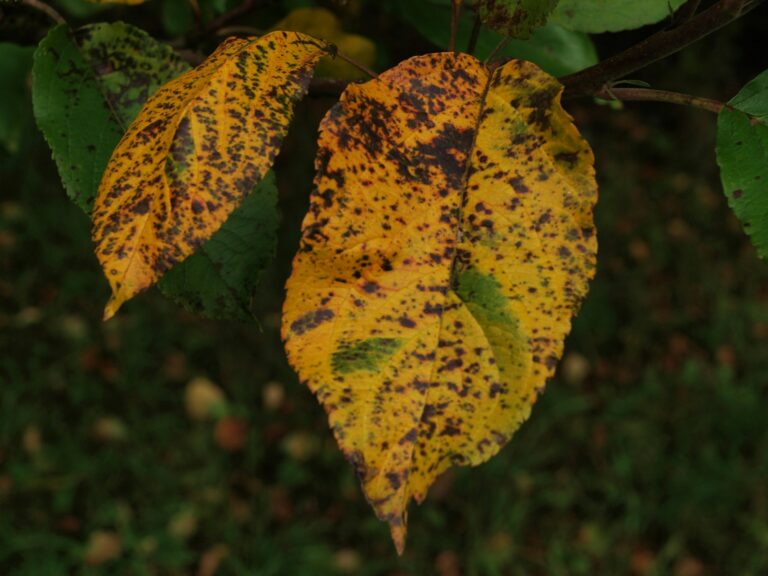
Even the hardiest beginner plants can fall victim to pests or diseases. Common issues include spider mites, aphids, and fungal infections. Regularly inspecting your plants can help catch these issues early. Here’s how to manage them:
Inspect Regularly: Check the undersides of leaves and the base of the plant for signs of pests. Look for webbing, sticky residue, or discolored leaves.
Treat Promptly: If you find pests, consider using insecticidal soap or neem oil as a natural treatment. For fungal issues, removing affected leaves and improving air circulation can help.
Practice Good Hygiene: Clean your gardening tools, pots, and any surfaces where you keep plants to prevent the spread of diseases.
Choosing the Right Plants
When selecting beginner plants, consider your environment and lifestyle. Some plants may be labeled as easy but may be unsuitable for your specific home conditions. Here are a few recommendations based on common environments:
Low Light: Consider pothos, snake plants, or ZZ plants, which can thrive in low-light conditions.
High Humidity: If you live in a humid area or have a bathroom with good lighting, try peace lilies or ferns.
Drought-Tolerant: If you travel frequently or often forget to water, succulents like jade plants or aloe vera might be your best bet.
Final Thoughts
While garden centers often promote certain plants as “beginner-friendly,” success largely depends on understanding their specific needs and providing proper care. Take the time to learn about the plants you bring home, observe their growth patterns, and adjust your care routine as necessary. Gardening is a journey of learning and discovery, and with a little patience and knowledge, you can turn those beginner plants into thriving members of your indoor or outdoor garden. Happy gardening!