Why Your Houseplant Soil Smells Sour And What It Means for Your Plant
Healthy potting soil usually has a mild, earthy scent.
But sometimes gardeners notice something very different.
Instead of smelling fresh, the soil in a plant pot may begin producing an unpleasant odor — something sour, musty, or even slightly rotten.
This smell can be surprising, especially when the plant above the soil still looks relatively healthy.
In most cases, sour-smelling soil is a sign that something is happening beneath the surface.
Excess Moisture Is Usually the Main Cause
The most common reason soil develops a sour odor is overwatering.
When soil stays wet for too long, oxygen levels begin to drop. Plant roots need oxygen to survive, and when soil remains constantly saturated, oxygen becomes limited.
Without enough oxygen, beneficial microbes in the soil struggle to survive. Instead, anaerobic bacteria begin to take over.
These bacteria produce gases that create the sour smell gardeners notice.
Poor Drainage Can Make the Problem Worse
Drainage plays a major role in soil health.
Pots without drainage holes can trap water inside the container. Even if the top of the soil appears dry, the lower portion of the pot may still be saturated.
Over time, this trapped moisture creates ideal conditions for anaerobic bacteria to grow.
Soil that stays soggy also increases the risk of root rot, which can eventually damage the plant itself.
Old Potting Soil May Break Down
Another cause of sour soil is aging potting mix.
Over time, organic materials in soil begin breaking down and compacting. As the mix becomes denser, water drains more slowly and airflow decreases.
When this happens, soil can begin retaining too much moisture.
Repotting plants with fresh potting mix every year or two helps restore proper drainage and airflow.
What Gardeners Can Do to Fix the Problem
Fortunately, sour soil can often be corrected before it harms the plant.
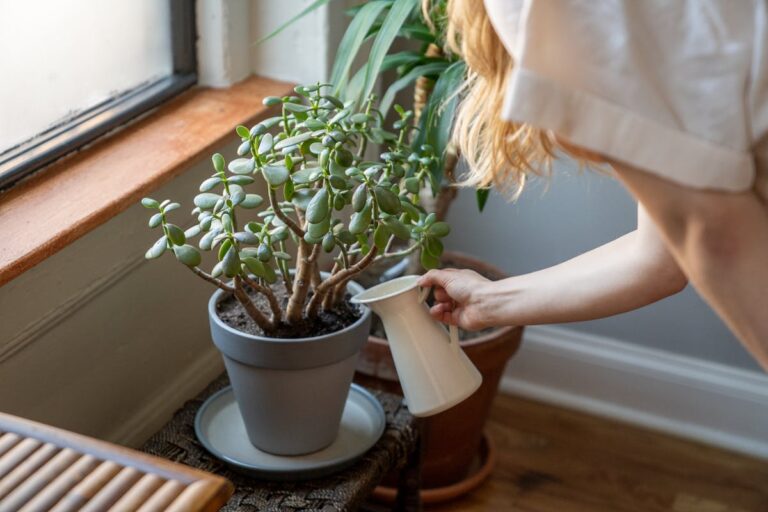
First, allowing the soil to dry slightly between watering sessions helps restore oxygen levels.
Improving drainage is also important. If a pot lacks drainage holes, transferring the plant into a container that drains properly can make a significant difference.
In some cases, repotting the plant with fresh soil may be the best option.
Fresh potting mix improves airflow, removes excess bacteria, and gives roots a healthier environment to grow.
Why Soil Health Matters More Than Many People Realize
Plants rely heavily on the conditions beneath the soil surface.
While leaves and stems may look healthy above ground, root health often determines whether a plant continues thriving long term.
Paying attention to soil smell, drainage, and moisture levels can help gardeners catch potential problems early — before they affect the entire plant.