Why Your Houseplants Have Brown Tips and What to Do About It
Houseplants bring life and vibrancy into our homes, but it can be disheartening when you notice those unsightly brown tips on leaves. Many plant owners assume that low humidity is the only culprit behind this issue, but there’s often more to it. Understanding the true causes can help you revive your greenery and keep them thriving. Let’s delve into the common reasons for brown tips and how you can address them effectively.
Understanding Brown Tips
Brown tips on houseplant leaves can be a sign of stress. While low humidity can indeed contribute to this problem, it’s not the only factor at play. Here are some of the most common reasons why your plants may be developing brown tips, along with practical solutions for each one.
1. Watering Issues
One of the most frequent causes of brown tips is improper watering. Both overwatering and underwatering can stress your plants and lead to browning:
Overwatering: When plants receive too much water, their roots can become waterlogged, leading to root rot. This condition prevents the roots from absorbing nutrients effectively, causing the leaves to brown. Signs of overwatering include yellowing leaves, wilting, and mushy soil.
Underwatering: Conversely, not providing enough water can lead to dehydration. If the soil becomes too dry, the plant will struggle to take up moisture, causing the leaf edges to turn brown. Signs include droopy leaves and dry, crumbly soil.
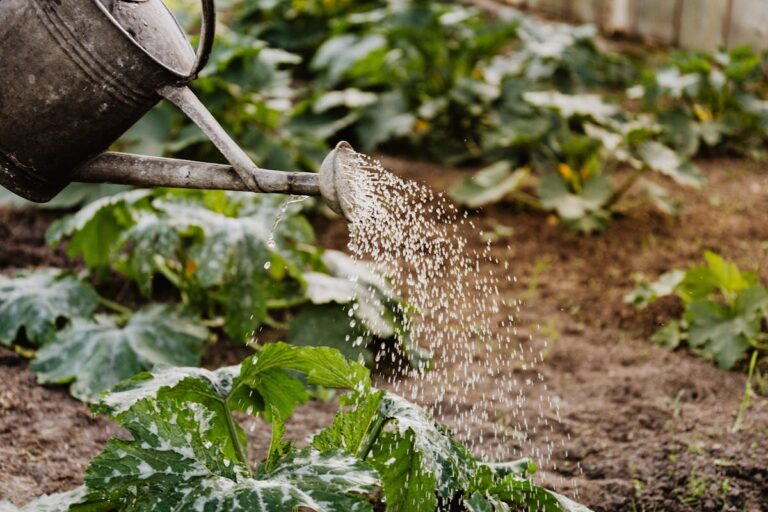
Solution: Check your plant’s specific watering needs. Most houseplants prefer to dry out slightly between waterings. Stick your finger about an inch into the soil; if it feels dry, it’s time to water. Ensure that your pots have drainage holes to allow excess water to escape.
2. Nutrient Deficiency
Plants require a balanced diet to thrive. A lack of essential nutrients, particularly potassium, can lead to browning leaf tips. This is especially common in potted plants where nutrients can be depleted over time.
Solution: Consider using a balanced, water-soluble fertilizer every few weeks during the growing season (spring and summer). Look for fertilizers that contain essential micronutrients, and follow the instructions for application rates to avoid over-fertilization, which can cause more harm than good.
3. Poor Light Conditions
Light is crucial for photosynthesis, and inadequate lighting can stress your houseplants. Insufficient light can lead to slow growth and browning tips, particularly in plants that require bright, indirect light.
Solution: Assess your plant’s light requirements and reposition it if necessary. For instance, many houseplants thrive in bright, indirect sunlight, while others prefer lower light conditions. If natural light is limited, consider supplementing with grow lights to provide the necessary spectrum for healthy growth.
4. Temperature Fluctuations
Houseplants are sensitive to temperature changes. Extreme heat or cold can cause stress, leading to brown tips. Most houseplants prefer stable temperatures between 65°F to 75°F (18°C to 24°C) during the day.
Solution: Place your plants away from drafty windows, heating vents, or air conditioning units. Check the temperature regularly, especially during seasonal changes, and maintain a consistent environment.
5. Humidity Levels
While low humidity is not the only reason for brown tips, it still plays a role, especially for tropical plants that thrive in more humid conditions. Dry indoor air, particularly in winter, can cause leaf tips to brown.
Solution: Increase humidity around your plants by misting them, using a pebble tray filled with water, or investing in a humidifier. Grouping plants together can also create a more humid microenvironment.
6. Pests and Diseases
Pests such as spider mites and aphids can cause stress to your plants, leading to browning leaves. Fungal infections can also affect the health of your plants.
Solution: Regularly inspect your plants for signs of pests or disease. If you notice any, remove affected leaves and consider using insecticidal soap or neem oil as a treatment. Ensure good air circulation around your plants to prevent fungal issues.
7. Transplant Shock
If you’ve recently repotted your plant or moved it to a new location, it may experience transplant shock. This can manifest as browning tips as the plant adjusts to its new environment.
Solution: Allow your plant time to acclimate to its new pot or location. Ensure it is receiving the right care during this transition phase—adequate water, light, and nutrients can help it bounce back more quickly.
8. Soil Quality
The type of soil you use can also impact plant health. Compacted soil or soil that doesn’t drain well can lead to root issues and stress, resulting in browning tips.
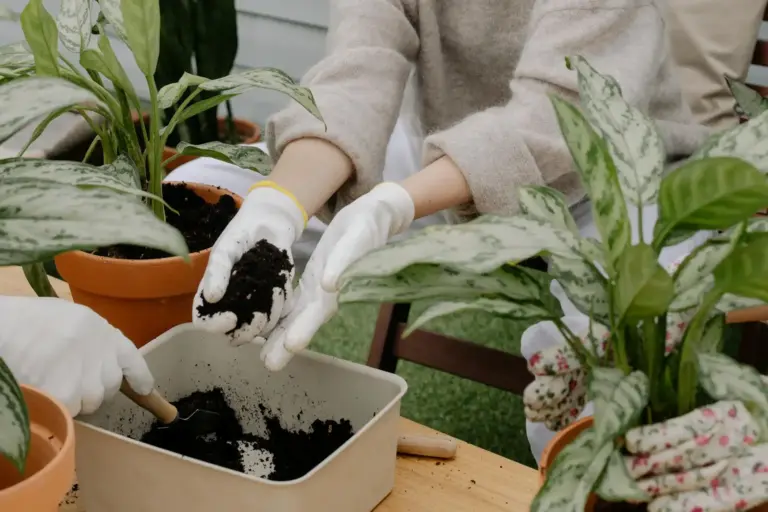
Solution: Use a high-quality potting mix suitable for your specific plant type. Ensure that it provides good drainage and aeration to promote healthy root growth.
Final Thoughts
Brown tips on your houseplants can be frustrating, but identifying the root cause is the first step toward reviving their health. By closely monitoring your watering habits, light conditions, temperature, humidity, nutrients, and soil quality, you can create an environment where your plants can thrive. Remember, a little care and attention goes a long way in keeping your indoor garden looking its best. Happy gardening!