Why Your Houseplants Need Different Water in Winter vs Summer
Ever notice your houseplants look a little different as the seasons shift? When winter rolls in, your plants slow down, and what worked in summer suddenly doesn’t cut it anymore. That means your watering routine needs to change too.
As the days get colder and shorter, your plants aren’t soaking up water like they do when it’s warm and sunny. Understanding these changes can help you keep your plants looking their best all year.
Houseplants grow slower in winter, so they need less water!
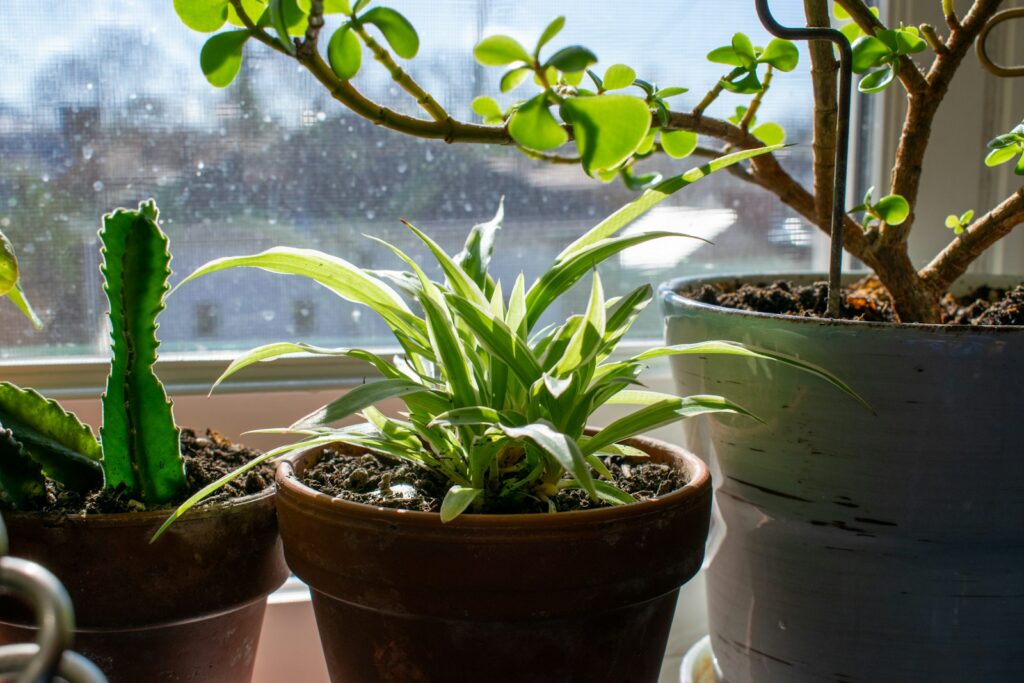
When winter hits, it might seem like your houseplants are just hanging out and not doing much. That’s because they’re using less energy and growing more slowly with less sunlight.
With this slowdown, they don’t need as much water. If you stick to your summer watering routine, you could end up with problems like root rot.
The soil doesn’t dry out as quickly in the cold, so extra water can stick around and cause trouble. You may notice droopy or yellow leaves if your plant is getting too much water.
Before you water, check the top inch of soil. If it feels dry, go ahead and water. If it’s still moist, wait a few more days.
This simple habit goes a long way in keeping your plants healthy through the winter months.
Reduced sunlight in winter means plants use water more slowly
Shorter, weaker days mean your houseplants aren’t getting the same amount of light. This slows their growth and changes how much water they need.
Roots take in moisture more slowly, so the soil stays wet longer. The top layer of soil might stay damp for days.
If you water too often, your plants can end up sitting in soggy soil. That can hurt roots and make your plants look less lively.
Pay attention to how dry the soil feels before watering. Giving your plants a break during low-light months helps them stay strong.
Lower temperatures slow plant metabolism, cutting water needs
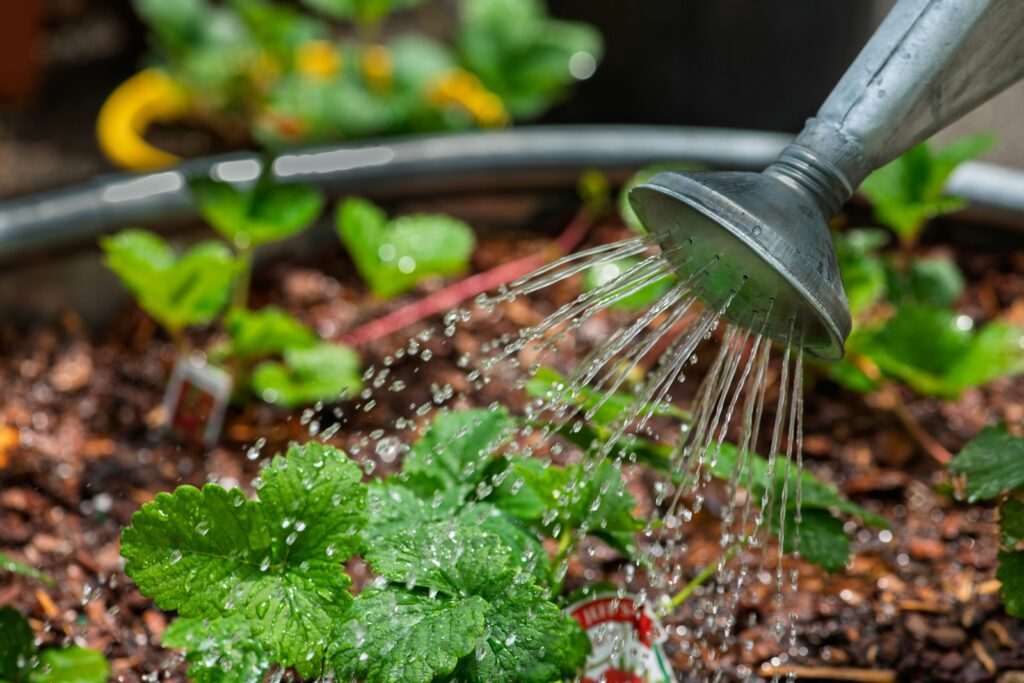
When temperatures drop, your houseplants slow down their metabolism. This means they use water and nutrients much more slowly.
Colder soil also slows down photosynthesis. With less energy being made, your plants don’t need as much water.
If you keep up your summer watering routine, the soil can stay too wet and cause problems. It’s important to cut back on watering to match this slower pace.
You’ll probably notice your plants want water less often. Waiting longer between watering sessions helps keep your plants healthy during chilly months.
Overwatering in winter can cause root rot—less is more!
In winter, your houseplants are not as thirsty as they are in summer. Watering too much during this time can lead to root rot, which is a common problem when the soil stays wet for too long.
Root rot causes roots to decay, and your plant can get sick or even die. Look out for yellow leaves, mushy stems, or a bad smell from the soil.
To avoid this, always check the soil before adding water. Only water when the top inch is dry.
Less water is better in winter. Your houseplants will reward you by staying strong all season.
Dry indoor air can speed soil drying but still requires careful watering
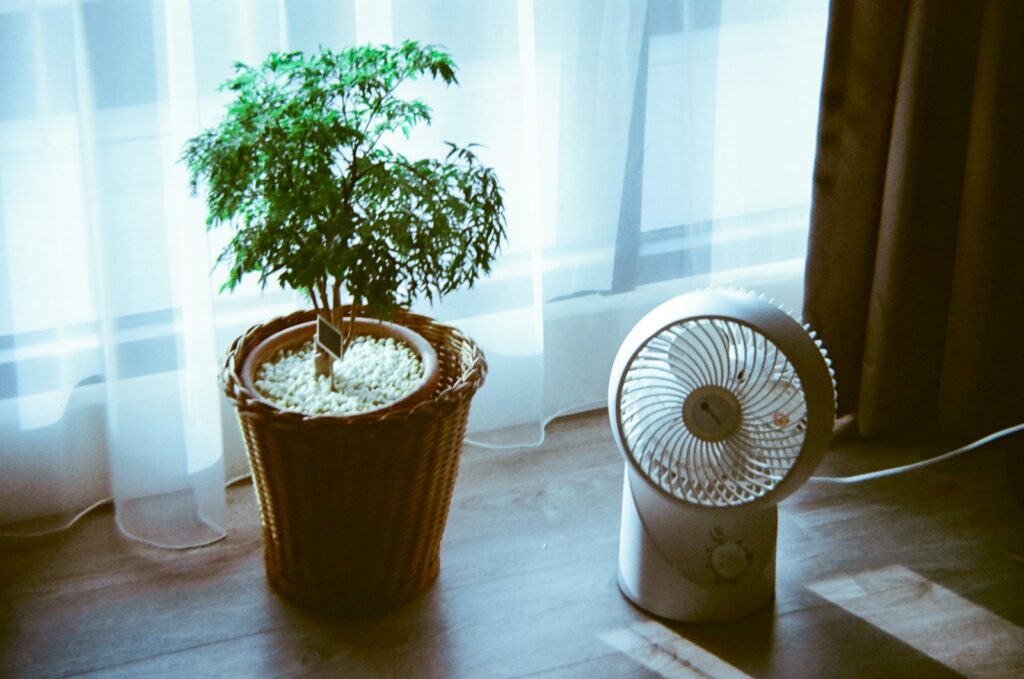
Winter brings dry air indoors, and you might see your plant’s soil drying out faster. Heaters and closed windows pull moisture from the air and the soil.
It’s tempting to water more often, but not all plants need it. Some plants grow slower in winter and use less water, even if the surface looks dry.
Check below the surface with your finger or a moisture meter. The soil might still be damp deeper down.
Adding humidity with a humidifier or grouping plants together can help. This keeps your plants happier without risking overwatering.
Every plant is different, so take the time to learn what each one needs during these dry months.
Check soil moisture before watering: to avoid soggy roots!
It’s easy to assume your plants want water every day, but that’s not always true. The best way to know is to check the soil first.
Stick your finger a couple of inches into the soil near the roots. If it feels dry, it’s time to water. If it’s damp, wait and check again later.
Soggy roots can’t breathe well, leading to yellow leaves and slow growth. Keeping soil just right—not too wet or dry—makes a big difference, especially in winter.
Next time you reach for the watering can, double-check the soil. This simple step helps your plants thrive all year.
Tropical plants prefer watering every 1-2 weeks in winter
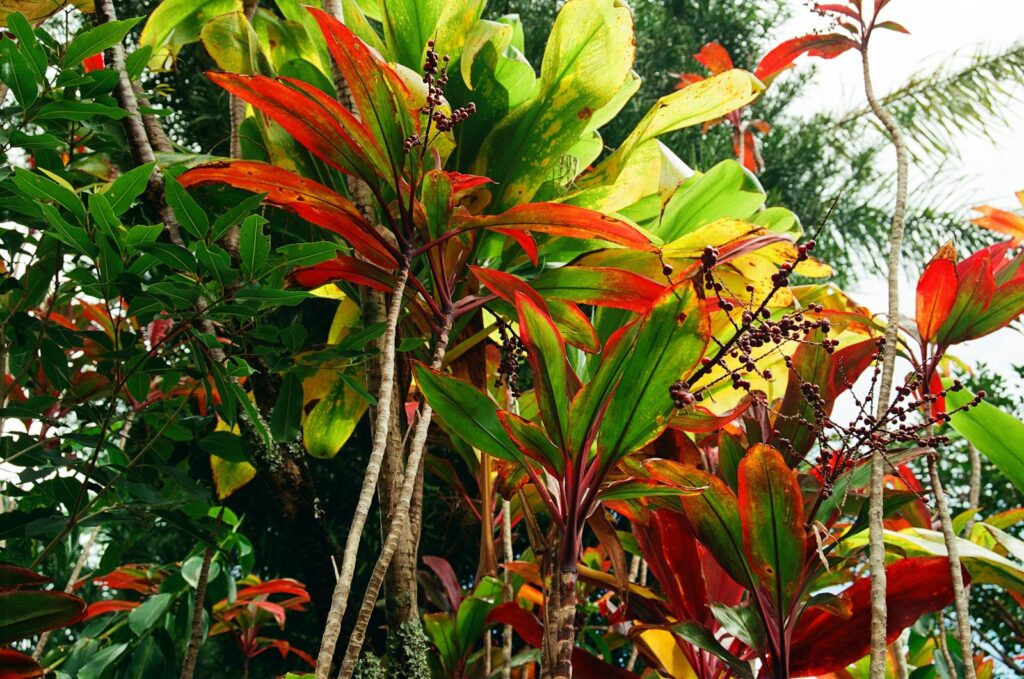
Tropical plants don’t need as much water in winter. They slow down or take a break from growing, so watering every 1-2 weeks is usually enough.
Always check the soil before watering. If the top inch is dry, add water, but don’t let the soil get soggy.
Extra humidity helps too. Misting leaves or using a humidifier can make a big difference, especially with heaters running.
By tweaking your watering schedule, your tropicals will be ready to bounce back in spring.
Succulents and cacti need even less water during cold months
Succulents and cacti are a whole different story in winter. These plants go into a rest mode called dormancy and barely use any water.
If you water them like it’s summer, you risk root rot. Cold and wet soil is tough on these drought-loving plants.
Only water when the top inch of soil is completely dry. Most succulents only need water every 2-3 weeks, and cacti can go even longer.
If you see soft or mushy leaves, that’s a sign of too much water. Keep things dry and cozy for your succulents until spring.
Avoid cold water; use room-temperature water to protect roots

Water temperature matters more than you might think. Using cold water can shock your plant’s roots, making it harder for them to absorb nutrients.
Roots are already sensitive in winter, so cold water only adds stress. Room-temperature water keeps roots happy and healthy.
Let tap water sit out until it feels neutral before using it. This small step can make a big difference in your plant’s well-being.
Humidity drops in winter, so consider misting or humidifiers
When winter arrives, your home’s air gets much drier. Heaters and cold weather both pull moisture from the air, and your houseplants can feel it.
Misting leaves gives a quick boost of moisture, but it doesn’t last long. You might need to mist several times a day, which can be hard to keep up with.
A humidifier adds steady moisture and keeps humidity levels more consistent. Grouping plants together also helps them share moisture.
Check your plants for dry or curling leaves. That’s a sign they need a little extra humidity to stay healthy.
The Science Behind Seasonal Water Needs
Your indoor environment changes a lot with the seasons. Temperature, light, and how active your plants are all affect how much water they need.
Colder temperatures slow down evaporation, so soil stays wet longer. In winter, the soil holds onto moisture because it’s cooler.
Light is another big factor. In summer, strong sunlight speeds up water use, and plants drink more. In winter, weak light means plants use less water and soil dries more slowly.
Watch how your soil behaves in different seasons. Adjust your watering routine based on these clues.
Understanding Plant Dormancy in Winter
Many houseplants take a break from growing when it’s cold and dark. This resting phase is called dormancy.
During dormancy, roots take up less water, and leaves lose moisture more slowly. If you water too much now, the soil stays soggy and can harm your plant.
Cut back on watering to about half of what you do in summer. Check soil moisture before watering, if it feels dry an inch down, then give water.
Adjusting Your Watering Routine for Healthier Houseplants
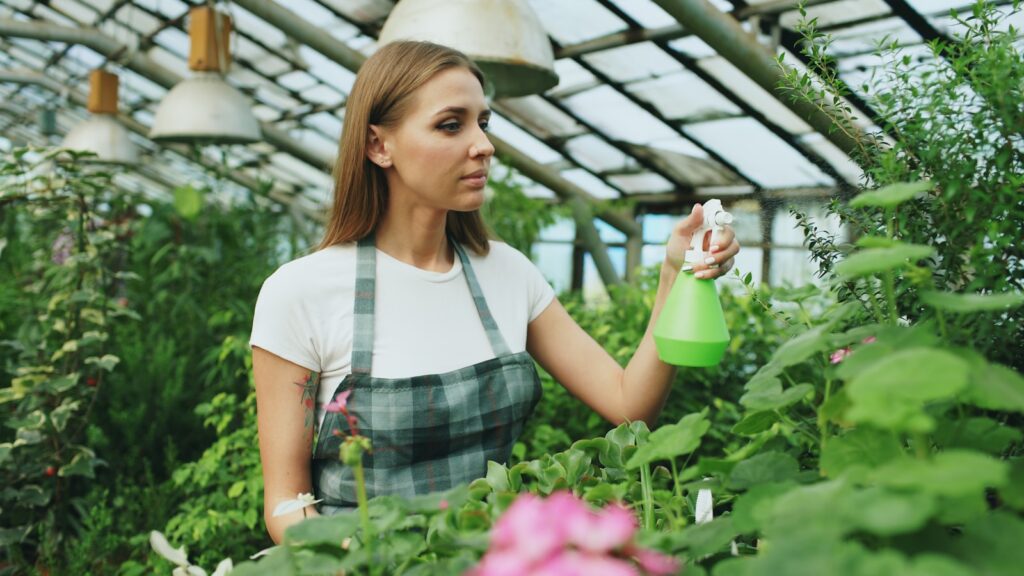
Changing your watering habits with the seasons helps your plants stay healthy. Paying attention to what your plant needs goes a long way.
Recognizing Signs of Overwatering and Underwatering
You can spot watering problems by looking at leaves and soil. Overwatered plants often have yellow, soft leaves and soggy soil. You might notice mold or a bad smell.
Underwatered plants get dry, crispy leaves, and the soil pulls away from the sides of the pot. Leaves might curl or drop off.
Checking these signs helps you adjust your watering before it harms your plant.
Best Practices for Watering During Seasonal Changes
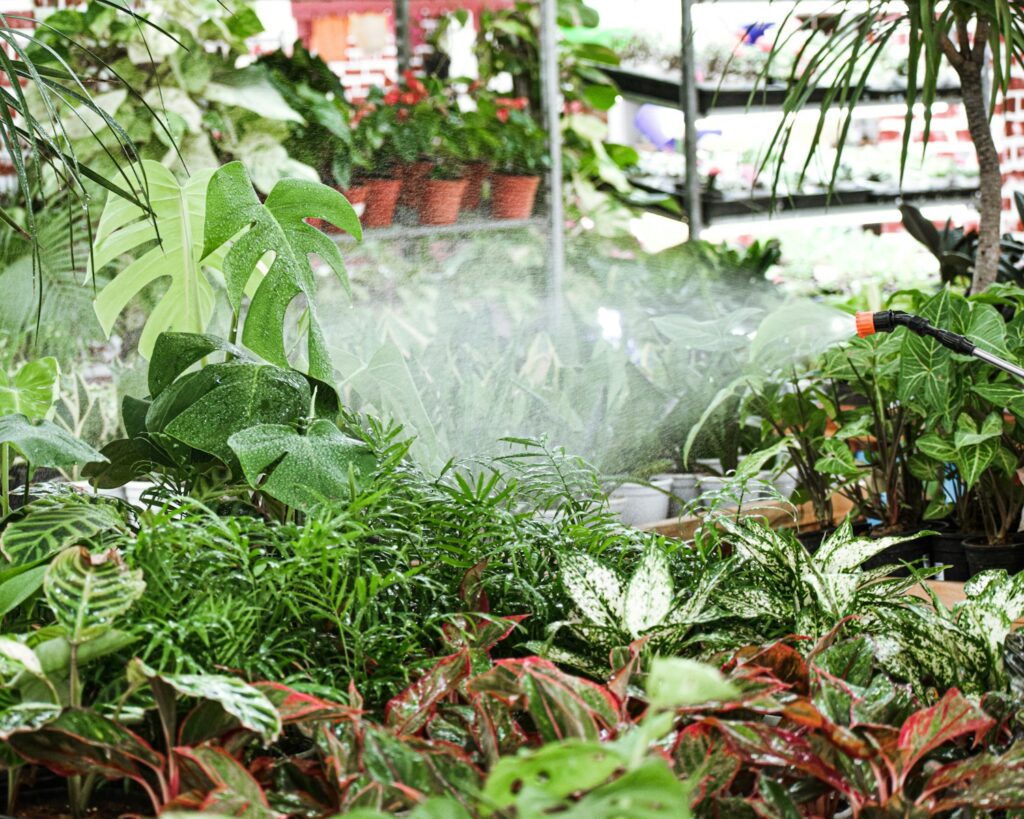
When temperatures rise in summer, your houseplants can dry out quickly. Check the top inch of soil and water when it feels dry to the touch.
Winter brings slower growth and cooler air. Only water when the soil feels dry at least two inches down.
In summer, you might need to water every week or even more often if your home is especially warm or sunny. During winter, watering every two to three weeks is usually enough, but always check your plant and soil first.
Pay attention to what your specific plant prefers. Some thrive with extra humidity, while others do better with less water throughout the year.
Keep an eye on your plants and let their needs guide you as the seasons shift. This way, you can help them stay healthy no matter the weather.