Why Your Houseplants Struggle by the Winter Window and How to Help Them Thrive
As winter settles in across North America, houseplant owners often find themselves grappling with a common dilemma: their once-thriving green companions seem to be struggling. One primary culprit? The winter window. While you might think that placing your plants near windows for sunlight is a no-brainer, the harsh realities of winter can create an environment that’s less than ideal for your leafy friends. Let’s dive into the reasons behind this phenomenon and explore how you can help your houseplants not just survive, but thrive during the colder months.
Understanding Winter Window Conditions
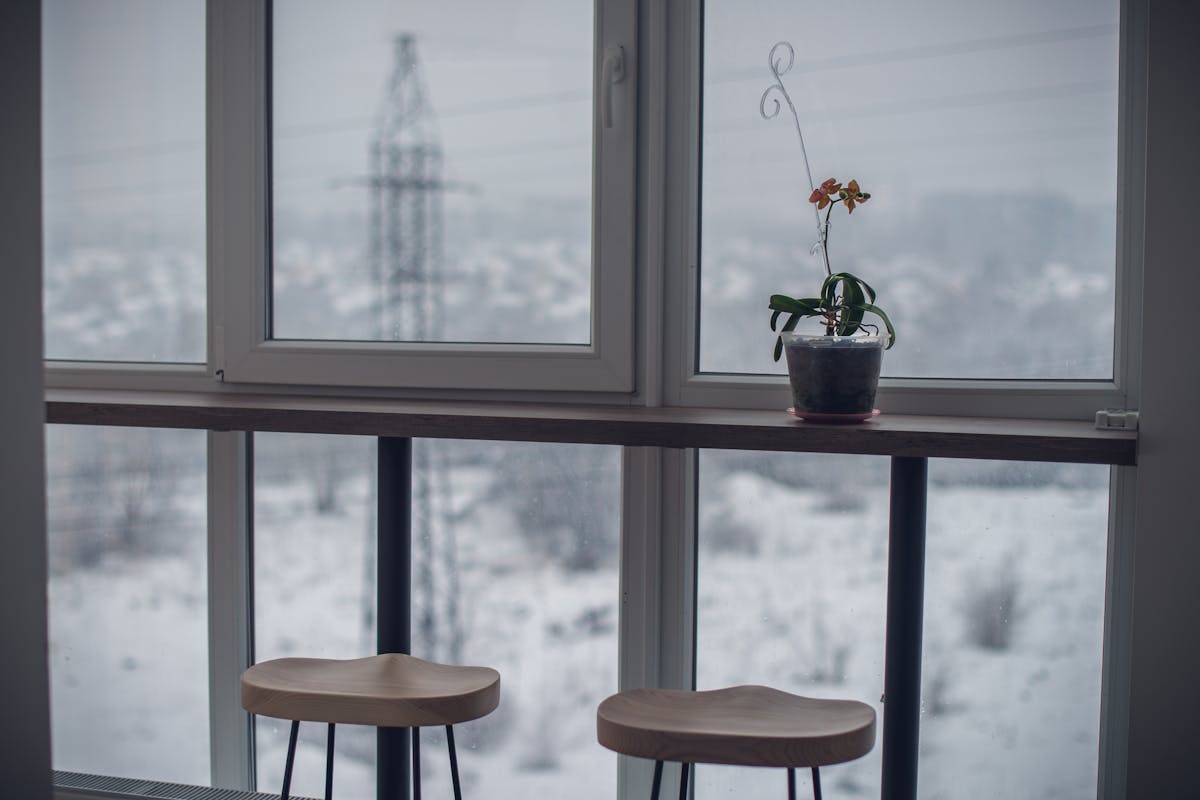
During winter, windows can transform into a double-edged sword for houseplants. On one hand, they provide essential light; on the other, they expose plants to several unfavorable conditions. Here’s what happens:
1. Temperature Fluctuations: Windows can be drafty, leading to sudden temperature drops. Most houseplants prefer a consistent temperature between 65°F and 75°F (18°C to 24°C). If your plants are near a window, they might experience cold drafts when the temperatures outside dip, especially during the night.
2. Low Humidity: Winter air tends to be drier, and the heating systems we use to keep our homes warm can exacerbate this problem. Many houseplants, especially tropical varieties, thrive in humidity levels above 50%. Dry air can lead to leaf drop, browning tips, and stunted growth.
3. Intense Light and Sunburn: Even though the days are shorter, the sun can be surprisingly intense. Plants that are not acclimated to the low winter light levels might suffer from sunburn if they’re placed too close to a window. This is especially true for those that were moved indoors after a summer outdoors.
4. Limited Light Duration: While the sun may shine brightly through the window, the duration of light is significantly shorter in winter. Many houseplants require at least 12 hours of indirect light for optimal growth. If they’re not receiving sufficient light, you might notice stretching or leggy growth as they reach for the light.
Tips to Help Your Houseplants Thrive
Now that you understand the challenges your houseplants face during winter, here are some practical steps you can take to help them thrive despite the cold season.
1. Monitor Temperature and Placement:
Check for drafts: If you notice your plant wilting or dropping leaves, consider moving it away from the window or using insulation to block drafts.
Create a microclimate: You can group plants together to create a slightly warmer and more humid environment. This can help combat the cold air that seeps through windows.
2. Increase Humidity Levels:
Use a humidifier: Investing in a small humidifier can significantly boost moisture levels in the air.
Pebble trays: Place a shallow tray filled with pebbles and water under your plants (without letting the pot sit directly in the water). As the water evaporates, it will increase humidity.
Misting: Occasionally misting your plants can also help raise humidity, but be cautious not to overdo it, as excessive moisture on the leaves can lead to mold or mildew.
3. Adjust Light Exposure:
Rotate your plants: To ensure even light exposure, rotate your pots every couple of weeks. This encourages balanced growth and prevents leaning.
Supplement with grow lights: Consider using full-spectrum grow lights to provide adequate light levels during the darker months. Position the light about 6-12 inches above the plants, following the manufacturer’s guidance for timing.
4. Be Mindful of Plant Types:
Choose appropriate plants: Some houseplants are better suited for winter conditions than others. Consider hardy varieties like ZZ plants, snake plants, or pothos that can tolerate lower light and humidity.
Acclimate new plants: If you’ve recently acquired new greenery, allow them to acclimate to indoor conditions gradually. Place them in lower light conditions for a week before shifting them to a brighter spot.
5. Adjust Watering Practices:
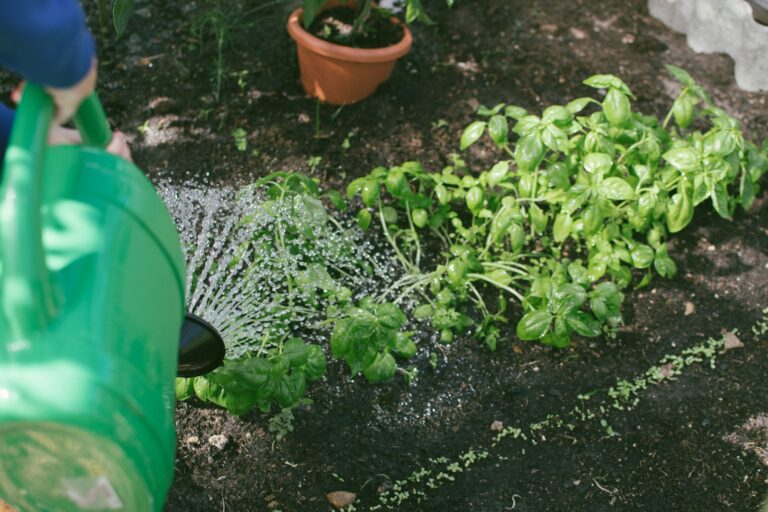
Water less frequently: With lower light and cooler temperatures, many houseplants enter a dormant phase and require less water. Always check the top inch of soil; if it’s dry, then it’s time to water.
Use room temperature water: Cold water can shock your plants. Always use water that’s at room temperature to avoid stressing them.
6. Fertilize Wisely:
Reduce fertilization: Most houseplants need less fertilizer during the winter months. If you must fertilize, use a diluted liquid fertilizer once every month or so, and choose a product designed for indoor plants.
7. Regularly Inspect for Pests:
Keep an eye out: Dry indoor conditions can lead to pest infestations. Regularly check the undersides of leaves and around the soil for signs of pests like spider mites or aphids.
By understanding the unique challenges winter windows present and taking proactive steps to mitigate them, you can help ensure that your houseplants not only survive the season but flourish well into spring. Remember to observe your plants closely; they are often the best indicators of what they need. With a little extra care, your indoor garden can continue to thrive, bringing you joy and greenery throughout the winter months.