Why Your Indoor Seedlings Aren’t Thriving: The Surprising Culprit
Gardening can be as rewarding as it is challenging, especially when it comes to starting seeds indoors. Many home gardeners follow the instructions on seed packets to the letter, yet they still find themselves staring at a flat of soil with little to no growth. If you’ve ever wondered why your seeds are failing to sprout despite your best efforts, you’re not alone. Let’s dive into the primary reason seeds fail indoors and how you can turn your gardening fortunes around.
Understanding Seed Germination
Before we tackle the main issue, it’s essential to understand what seeds need to germinate. Germination is the process through which a seed develops into a new plant. While different seeds have different requirements, most need the right combination of moisture, temperature, light, and time.
The #1 Reason Seeds Fail Indoors: Inadequate Light
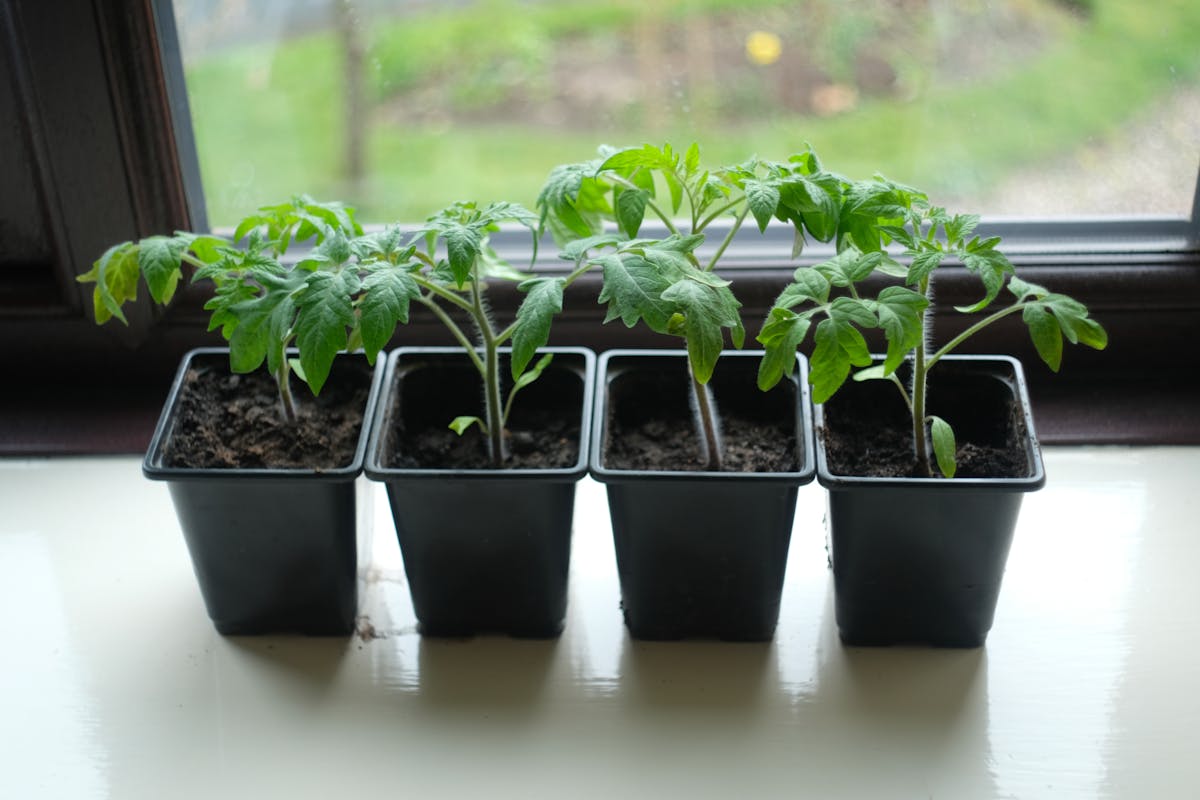
The leading cause of seed failure indoors, even when following the packet instructions, is insufficient light. This is particularly true for seeds started in the late winter or early spring, when natural light levels are often low. Many gardeners underestimate the importance of light and assume that placing their seed trays near a window will suffice. While some windows do provide decent light, it may not be enough for robust seedling growth.
Why Light Matters
Light is crucial for photosynthesis, the process plants use to convert light energy into chemical energy. Without adequate light, seedlings can become leggy and weak as they stretch towards the light source. This not only affects their overall health but can lead to a higher chance of disease and ultimately death.
Recognizing Insufficient Light
If your seedlings are stretching towards the light, turning yellow, or developing a spindly appearance, they are likely not getting enough light. Ideally, seedlings should receive about 14 to 16 hours of light daily.
Solutions for Providing Adequate Light
1. Use Grow Lights: If you can’t rely on natural light, invest in grow lights. LED or fluorescent grow lights are great options and can be adjusted in height as your seedlings grow. Aim to keep the lights about 2-4 inches above the seedlings, and adjust as they grow taller.
2. Choose the Right Spectrum: For optimal growth, use full-spectrum grow lights that mimic natural sunlight. These lights contain both blue and red wavelengths, which are essential for vegetative growth and flowering.
3. Set a Timer: Consistency is key. Use a timer to ensure your grow lights are on for the recommended 14 to 16 hours a day. This helps mimic natural daylight cycles and encourages healthy growth.
4. Rotate Seedlings: If using natural light, rotate your seedlings every few days to ensure even light exposure. This prevents them from leaning too heavily in one direction.
Other Factors to Consider
While light is the primary culprit for seed failure indoors, it’s not the only factor. Here are other essential elements to keep in mind:
Moisture Levels
Seeds require moisture to germinate, but too much can lead to damping off, a fungal disease that affects seedlings. Ensure your seed-starting mix is consistently moist but not soggy. Use a spray bottle to mist the surface of the soil instead of watering it directly.
Temperature Control
Most seeds germinate best at temperatures between 65°F and 75°F (18°C to 24°C). If your indoor conditions are colder than this, consider using a heat mat to provide bottom heat, which can help speed up germination.
Quality of Seed-Starting Mix
A good seed-starting mix is light, well-aerated, and drains well. Avoid using garden soil, which can be too dense and may harbor pests and diseases. Look for a mix that contains peat moss or coconut coir for optimal drainage and aeration.
Timing of Planting
Understanding your local climate and the average last frost date is crucial for timing your seed starts. Generally, seeds should be started indoors 6-8 weeks before the last expected frost date in your area. Be sure to check your specific USDA zone for accurate timing.
Common Mistakes to Avoid
1. Overcrowding: Planting too many seeds in one container can lead to competition for resources. Thin out seedlings or transplant them into individual pots once they have their first set of true leaves.
2. Neglecting Hardening Off: Before moving seedlings outdoors, they need to acclimatize to the outdoor environment. Gradually expose them to outside conditions for about a week before transplanting to avoid shock.
3. Ignoring Labels: Keep track of what you’ve planted and when. This will help you monitor their progress and care needs more effectively.
Final Thoughts
Starting seeds indoors can be a fulfilling endeavor, but it’s essential to be mindful of their needs, especially regarding light. By ensuring your seedlings receive adequate light, along with proper moisture, temperature, and timing, you’ll significantly increase your chances of success. With a little extra attention and care, your indoor seedlings will thrive and prepare you for a bountiful outdoor garden come spring!
Happy gardening!