Why Your Neighbours Might Be Watering Wrong and How You Can Do It Better Today
Ever walk outside and see puddles in your yard that you know you didn’t cause? Sometimes, the way your neighbor waters their lawn can send water your way and leave you dealing with a soggy mess.
Water has a mind of its own and can travel in unexpected directions. How your neighbor waters can make a bigger difference than you think.
Overwatering causing persistent yard flooding
If your neighbor’s lawn always looks extra green but your side is constantly soggy, their watering habits might be to blame. When lawns get too much water, the excess often spills over and ends up flooding nearby yards.
This can lead to soil erosion, damage your plants, and create the perfect home for pests. It’s especially annoying when you just want to enjoy your outdoor space but keep stepping into mud.
If you see water pooling after your neighbor waters, try snapping a photo or video. This can help you track how often it happens and how much water is coming your way.
Talking with your neighbor or taking steps to block runoff early can save your lawn from long-term damage.
Sprinkler heads aimed improperly onto your property
Does it feel like your neighbor’s sprinklers are watering your yard more than theirs? Sprinkler heads set at the wrong angle can spray water onto your grass, windows, or even your house.
This constant dampness can harm your plants, make walkways slippery, or damage your home’s siding. Most neighbors don’t even realize their sprinklers are causing a problem.
Sometimes, sprinkler heads shift over time or get installed too close to the property line. Checking your property line can help clear up confusion about where water should go.
A quick adjustment to the sprinkler heads can keep water where it belongs and make everyone’s yard happier.
Ignoring drainage patterns leading to soil erosion
Watering without thinking about drainage can send water pooling in the wrong places. You might notice dirt washing into your yard, making things look messy and unstable.
Poor drainage can damage plants and even threaten your home’s foundation. You want water to move gently across the yard, not rush through like a river.
When soil gets too soft, it’s easy for the land to shift and create bare patches or cracks. These small changes can grow into bigger problems before you know it.
Respecting natural drainage patterns helps keep your yard firm and healthy.
Runoff redirected without considering neighbors
Has your neighbor ever changed their landscaping and suddenly you’re getting more water in your yard? Sometimes, moving downspouts or grading sends their runoff straight to you.
Even small changes can have a big impact. Your neighbor may not realize their fix is now your headache.
A friendly conversation can go a long way. If needed, drainage experts can help find a solution that works for both of you.
Frequent watering during heavy rain periods
It’s frustrating when it’s been raining for days and your neighbor’s sprinklers are still running. All that extra water just pools up and runs off, wasting water and washing away nutrients.
Too much water during wet weather can suffocate roots and leave your lawn swampy. Plants need time to dry out between soakings.
Watching the weather and adjusting watering schedules can make a huge difference. Sometimes, neighbors just need a reminder that less is more when it’s already raining.
Neglecting to check for blocked drains
Blocked drains are a hidden problem that can quickly lead to water pooling in the wrong places. When water can’t flow, it backs up and creates leaks or puddles where you don’t want them.
Stagnant water from blocked drains is a breeding ground for mold and bacteria. That’s not just gross—it can affect everyone nearby.
If water from your neighbor’s blocked drains starts spilling into your yard, it can lead to unexpected repairs. Keeping drains clear is a simple way to prevent bigger headaches for the whole neighborhood.
Failure to maintain gutters leading to overflow
Gutters need regular cleaning to keep water moving away from your house. When they get clogged, water spills over and can damage the foundation or landscaping.
Even if gutters look clear, a small blockage or wrong angle can trap water. Overflow during rain is a sign something’s not right.
Making sure gutters are clean and sloped properly helps avoid messy and expensive problems down the road.
Installing new irrigation systems without planning
Jumping into a new irrigation system without a plan can leave you with dry spots and puddles. It’s not just about placing sprinklers anywhere—they need to match the needs of your plants and yard.
If you skip the planning, you might end up wasting water or missing areas that need it most. Sunlight, soil, and slope all play a part in how water spreads.
Getting the setup right from the start saves money and keeps your garden looking its best.
Using high-pressure sprinklers that cause overspray
High-pressure sprinklers might look impressive, but they often send water flying onto sidewalks, driveways, and even your neighbor’s yard. That’s water and money down the drain.
Overspray can leave some spots soaked and others dry. It’s an easy fix with a pressure regulator or the right sprinkler heads.
If you notice your property getting wet from next door, it might be time for a neighborly chat about sprinkler pressure.
Unaware of local watering restrictions or guidelines
Have you ever wondered why your neighbor waters at the weirdest times? They might not know about local watering rules. Restrictions can change with the seasons or even by street number.
Watering on the wrong days or at the wrong times can waste water and sometimes lead to fines. Sticking to the rules helps keep everyone’s yard green and avoids unnecessary conflict.
Sharing what you know about local guidelines can help everyone save water and avoid trouble.
Understanding Common Watering Mistakes
Watering your plants seems simple until things start going wrong. Giving just the right amount at the right time is trickier than it looks.
Overwatering and Its Consequences
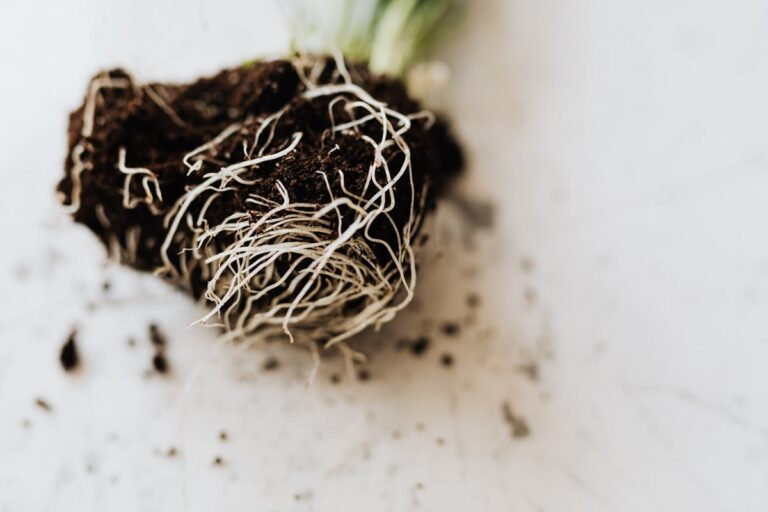
It’s easy to think more water means healthier plants, but too much can actually hurt them. Roots need air as well as water, and soggy soil can lead to root rot.
Look for yellow leaves, soft stems, or mold on the soil as signs of overwatering. Instead of watering every day, check the soil first.
Watering deeply but less often helps roots grow stronger and makes your plants more resilient.
Underwatering Myths Exposed
Not all droopy plants are thirsty. Some actually thrive with less water, especially if the soil drains well.
If you see brown or crispy leaves, check below the surface before reaching for the hose. Letting the soil dry a bit between waterings encourages roots to grow deeper and helps your plants stay healthy.
Timing Matters: When to Water
Ever wonder why your plants sometimes look thirsty even after you’ve watered them? The time of day you water actually makes a big difference.
Early morning is usually best. Water can soak into the soil before the sun gets too strong and causes it to evaporate.
Morning watering also gives leaves time to dry, which helps prevent disease.
Evening isn’t ideal since wet leaves can invite fungus or mold.
Watering in the middle of the day means more water evaporates before it reaches the roots.
If you stick to a routine, your plants will thank you. Adjust how often you water based on the weather.
When it’s hot and dry, water a bit more. After a good rain, you can skip a day.
Quick Guide to Timing:
| Time of Day | Pros | Cons |
|---|---|---|
| Morning | Deep absorption, less disease | None |
| Midday | Convenient | Water evaporates quickly |
| Evening | Cooler temperatures | Leaves stay wet longer |
How Watering Habits Affect Your Local Environment
Many people don’t realize how much their watering habits matter. The way you water shapes the health of your soil and even affects your neighborhood’s water use.
Impact on Soil Health
When people water too much, it can wash away the nutrients that plants need. Too much water also compacts the soil, making it tough for roots to breathe and grow.
Too little water dries out the soil, so plants struggle to absorb what they need. Helpful microbes that keep soil healthy can die off if things get too dry.
Finding the right balance keeps your soil moist but not soggy. Healthy soil holds water better and supports more life, making your whole yard thrive.
Neighborhood Water Usage Trends
Ever noticed how your neighbor’s lawn always looks soaked, even in the middle of the afternoon? These daily watering habits across the block add up fast.
When people water at the wrong times or let sprinklers run wild, it can put extra pressure on local water sources. This sometimes leads to shortages, especially during those long, dry stretches in summer.
A lot of us make the mistake of watering when the sun is blazing, only to have most of that water evaporate. Sprinklers that hit the sidewalk or street are another common culprit.
Switching to watering early in the morning can make a big difference. Trying out drip irrigation is another easy way to save water and keep your garden happy.