Why Your Plant Looks a Little Off — And Why That’s Totally Normal
If you’re a home gardener, you might find yourself in a bit of a panic when your beloved plants start to show signs of distress. Yellowing leaves, wilting stems, or even leaf drop can be alarming, making you think your plant is on its last legs. But before you rush to diagnose the issue or, worse, cast your plant aside, it’s essential to understand that these behaviors can be completely normal. Let’s take a closer look at some common plant responses, why they happen, and what you should do about them.
Understanding Plant Behavior
Plants, like all living organisms, go through various cycles and changes. They react to their environment in ways that may seem alarming to us, but often, these changes are part of their natural life cycle or a response to external factors. Here’s a breakdown of some common signs that can cause concern, along with explanations and tips on how to manage them.
Yellowing Leaves
One of the most common signs that gardeners worry about is yellowing leaves. This can be attributed to several factors, and it doesn’t always mean your plant is dying.
Natural Aging: Older leaves will naturally yellow and drop off as the plant prioritizes energy toward new growth. If only the lower leaves are yellowing but the rest of the plant looks healthy, this is often a normal process.
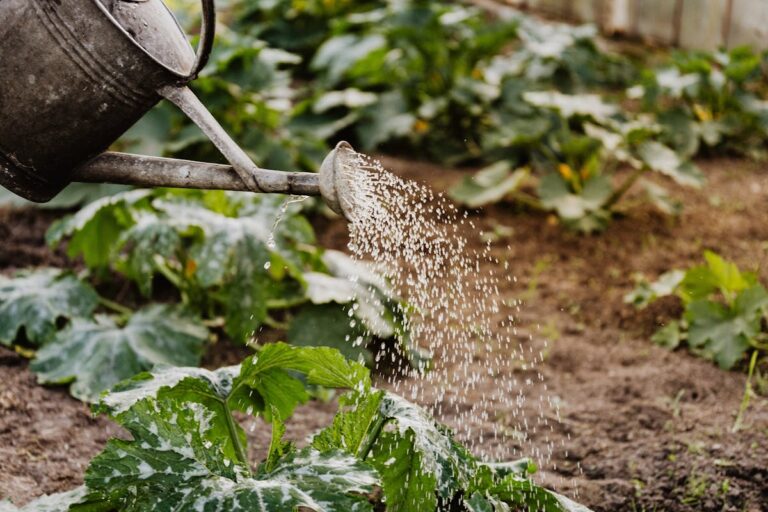
Watering Issues: Both overwatering and underwatering can lead to yellowing leaves. Make sure to check the soil moisture before watering. If the soil feels soggy, reduce watering frequency; if it feels dry several inches down, it might be time for a drink.
Nutrient Deficiency: Lack of key nutrients, particularly nitrogen, can cause leaves to turn yellow. Consider using a balanced fertilizer if you suspect nutrient deficiency, but be cautious not to over-fertilize, which can lead to its own set of issues.
Wilting Stems
A wilting plant can be a heartbreaking sight, but it doesn’t always indicate a death sentence.
Water Stress: The most common reason for wilting is a lack of water. Check the soil moisture; if it’s dry, give your plant a thorough watering. However, excessive wilting can also occur with overwatering due to root rot, which is a serious condition. Ensure that your pots have proper drainage and that you are allowing the soil to dry out between watering sessions.
Temperature Shock: Sudden shifts in temperature, whether from a cold snap or a heatwave, can stress your plants. If the temperature fluctuates drastically, try to create a more stable environment by moving potted plants into a sheltered area.
Leaf Drop
If you notice leaves dropping from your plants, it might be disheartening, especially if they are still green and healthy looking.
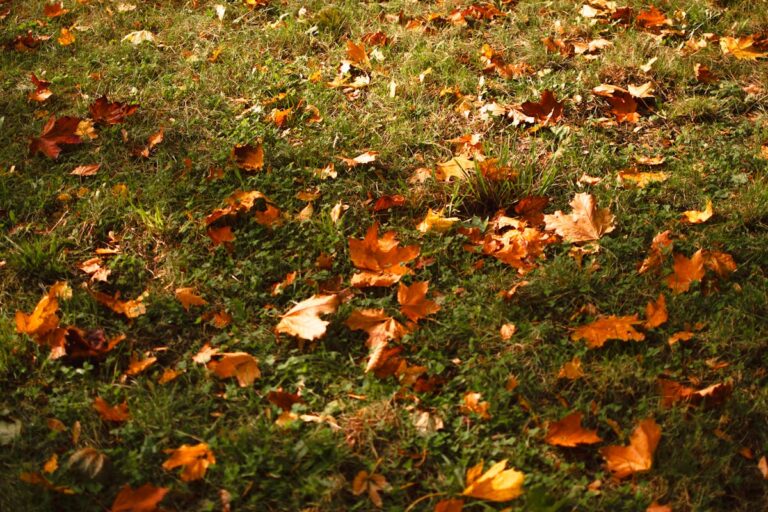
Seasonal Changes: Some plants, particularly deciduous varieties, naturally shed leaves in response to seasonal changes. If it’s autumn and your tree or shrub is dropping leaves, this is a normal part of its life cycle.
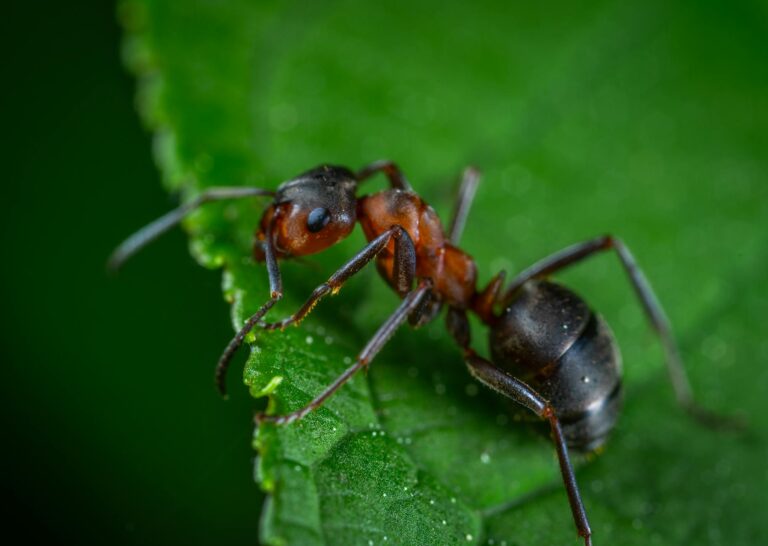
Environmental Stressors: Changes in humidity, light, or even the presence of pests can cause leaf drop. Make sure your plant is in a suitable location with adequate sunlight, and regularly check for signs of pests such as aphids or spider mites.
Flowering Changes
If your flowering plants aren’t blooming as vigorously as they used to, don’t despair.
Seasonal Dormancy: Many plants have seasonal cycles, where flowering may slow down or stop altogether during certain times of the year. For example, many perennials bloom in spring and summer and then enter a dormant phase in the fall and winter.
Pruning Needs: Some plants require pruning after flowering to encourage new blooms in the following season. If you haven’t pruned your flowering plants, it may be time to consider a trim according to their specific needs.
Common Mistakes to Avoid
Understanding your plant’s needs is crucial, but many gardeners inadvertently make mistakes. Here are a few common missteps to watch out for:
Overwatering: It’s often said that a plant’s worst enemy is too much water. Always check the soil moisture before watering, and make sure your pots have good drainage.
Ignoring Light Requirements: Different plants have different light needs. Make sure your plants are getting the right amount of light for their specific species. If they’re not thriving, consider relocating them to a brighter or shadier spot as needed.
Neglecting Pest Control: Regularly inspect your plants for pests. Early detection and management can prevent larger infestations that may stress your plant.
Final Thoughts
While it’s natural to become concerned when your plants show signs of distress, remember that many of these changes are part of their natural life cycle or responses to environmental factors. By understanding what’s normal and taking proactive measures, you can help your plants thrive. So, the next time you notice a little yellowing or wilting, take a deep breath — your plant might just be doing what comes naturally. Happy gardening!